The air in Istanbul during the transition from autumn to winter has a specific weight to it. It smells of roasting chestnuts, diesel from the ferries crossing the Bosphorus, and the salt spray of the Marmara Sea. For a man like Salim Dola, this air was the scent of safety. Or so he believed.
He had spent years perfecting the art of being nobody. In the underworld hierarchies linked to the D-Company—the sprawling criminal empire of Dawood Ibrahim—visibility is a death sentence. To survive as a high-ranking aide to a global fugitive, you must become a shadow that casts no reflection. You move through cities like a ghost, eating in crowded markets where no one looks up from their lentil soup, living behind curtains that never twitch.
But the human brain is a treacherous thing. It is not designed for the infinite marathon of paranoia. Eventually, the mind seeks a moment of normalcy. It craves a breath of the very air that can poison it.
The Architecture of a Disappearing Act
To understand how a man of Dola’s significance ends up in a Turkish detention cell, you have to understand the sheer weight of the pressure he lived under. Dola wasn't just a face on a "Most Wanted" poster; he was a vital cog in a machinery that handled the logistics of shadow economies. We are talking about the kind of stakes where a single phone call can move millions across borders or end a life in a crowded Mumbai street.
Imagine living in a world where every stranger’s lingering gaze feels like a thermal scope. You don't use your real name. You don't use your real face. You carry passports that claim you were born in cities you’ve never visited. Dola had effectively erased himself from the Indian subcontinent, resurfacing in the labyrinthine neighborhoods of Turkey.
Turkey is a crossroads. It is where the East and West don’t just meet; they collide and camouflage one another. It is the perfect place to hide a needle in a stack of needles. Dola had the resources. He had the connections. Most importantly, he had the discipline. For a long time, the Indian intelligence agencies were chasing a memory, a name whispered in intercepted calls that led to dead ends.
The Friction of the Smallest Error
Genius is rarely undone by a grand conspiracy. It is undone by the mundane. Think of a high-performance engine. It doesn't explode because of a massive structural failure; it seizes because a single, microscopic grain of sand found its way into the oil.
For Salim Dola, the grain of sand was a lapse in the very "incognito" protocol that had kept him alive. When you are a fugitive of his caliber, your life is governed by a set of rigid, non-negotiable laws. You do not register for local services. You do not use traceable electronics. You do not provide a digital footprint that a savvy analyst at the National Investigation Agency (NIA) can track like a bloodhound.
But even a ghost needs a place to sleep. Even a shadow needs a way to pay the bills.
Reports suggest that Dola’s undoing began with a simple, almost pedestrian interaction with local administrative systems. Perhaps it was a residency permit update, or perhaps it was the use of a communication channel he believed was "burned" but was actually being monitored. In the world of international espionage and criminal tracking, there is a concept known as "technical intelligence." It is the art of waiting for the one second in a decade when a target forgets to be afraid.
The Indian authorities hadn't forgotten him. While Dola was perhaps enjoying a coffee overlooking the Golden Horn, analysts thousands of miles away were stitching together fragments of data. A name used at a border crossing. A facial recognition hit on a CCTV camera that lasted only a fraction of a second. A wire transfer that didn't quite fit the profile of the person sending it.
The Weight of the Hand on the Shoulder
There is a specific kind of silence that happens right before an arrest. It is the silence of a trap snapping shut.
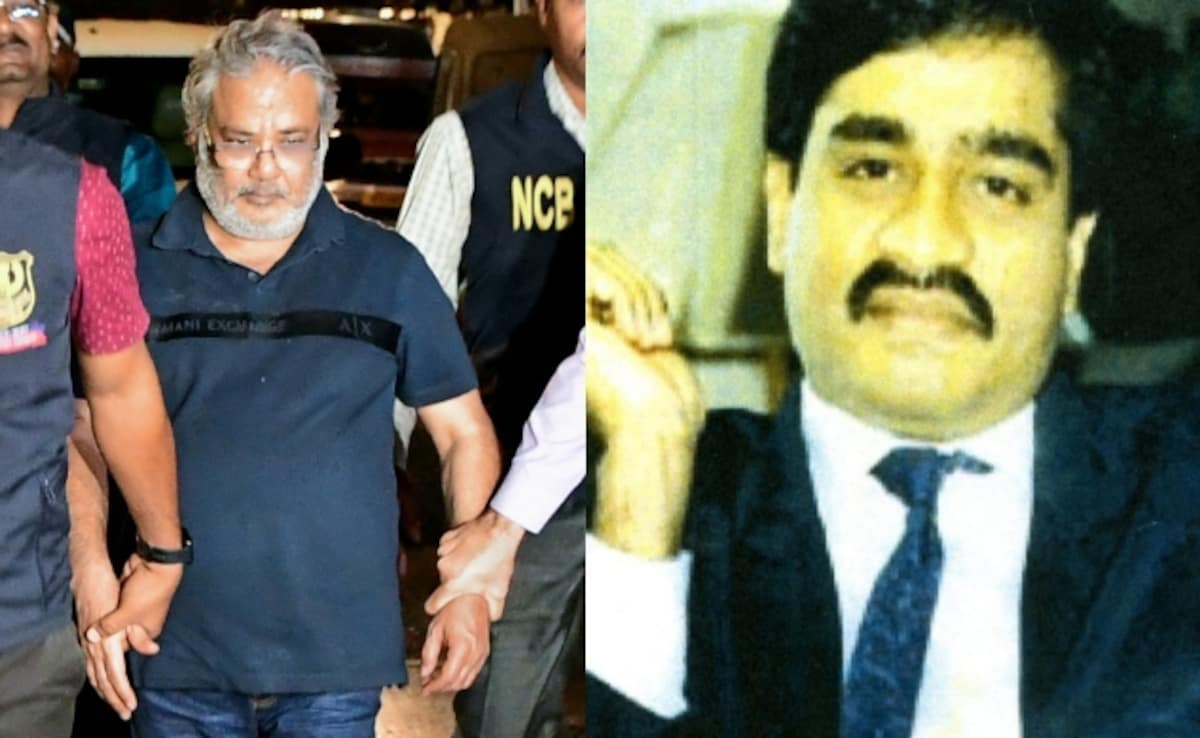
When the Turkish authorities, acting on high-level intelligence and international warrants, finally moved in, Dola wasn't a warlord surrounded by an army. He was a man caught in the middle of a life he thought he had successfully stolen.
The "mistake" that led to his arrest is often described in dry, legalistic terms in news bulletins. They call it a "procedural error" or a "security breach." But the emotional reality is much more visceral. It is the moment of realization that the marathon is over. The legs give out. The fake identity, the expensive suits, the layers of protection—they all evaporate, leaving only a man who is suddenly very old and very far from home.
Dola was a prize. For the Indian security establishment, his capture is more than just removing a name from a list. It is an extraction of institutional memory. Dola knows the routes. He knows the bankers. He knows the intermediaries who allow the D-Company to operate across the Middle East and Southeast Asia. His arrest represents a massive breach in the hull of an organization that prides itself on being unsinkable.
The Invisible Toll of the Run
We often romanticize the life of the international fugitive, influenced by cinema and pulp novels. We see the yachts and the high-stakes gambling. What we don't see is the corrosive effect of the "incognito" life.
Consider the psychological cost of never being able to tell the truth. To anyone. Not to a doctor, not to a friend, not to a shopkeeper. Every interaction is a performance. Every word is a calculated risk. After years of this, the "real" self begins to atrophy. You become the lie you are telling.
Dola’s mistake wasn't just a technical one; it was a failure of the human spirit to maintain a lie indefinitely. The slip-up—be it a phone call to a loved one or a moment of carelessness with a document—is an subconscious reaching out for the world. It is the "incognito" man trying to become visible again, if only for a second.
The tragedy of the criminal life is that this second of visibility is exactly what the hunters are waiting for.
The Echo in the Halls of Power
The arrest of Salim Dola in Turkey sent a tremor through the corridors of power in New Delhi and the hideouts in Karachi. It signaled a tightening of the net. It proved that the "safe havens" are becoming less safe. The cooperation between international agencies has turned the world into a much smaller place for those trying to hide within its folds.
But the story doesn't end with a pair of handcuffs. The real narrative begins now, in the interrogation rooms and the legal filings. The facts that Dola holds are the keys to a thousand other stories. He is a living archive of a dark era of crime and terror.
As he sits in a cell, the salt air of Istanbul is replaced by the sterile, fluorescent reality of detention. The ghost has been caught. The shadow has been pinned to the wall.
In the end, it wasn't a grand betrayal or a massive shootout that brought him down. It was the simple, crushing weight of being human in a world that demanded he be a ghost. He tripped over his own existence. He made the mistake of being real, just for a moment, and that was all the world needed to find him.
The Bosphorus continues to flow, indifferent to the men who hide on its shores. But for the networks that relied on Salim Dola, the water has suddenly become very, very cold.