Malaysian politics moves fast. Old enemies become sudden bedfellows almost overnight. If you have been tracking the shifting loyalties in Kuala Lumpur, you know the grand chessboard is flipping again. The Pan-Malaysian Islamic Party, better known as PAS, is making a hard play to redefine its relationship with Umno. But this time, the rules of engagement look entirely different.
Gone are the days of an equal partnership. PAS now commands forty-three seats in the federal parliament, making it the single largest party in the house. Umno sits at twenty-six. That numerical reality dictates a brand-new pecking order. PAS is no longer playing junior partner. They want the top job, and they are done stepping aside for anyone.
The Anatomy of a Convenient Reunion
Why are these two bitter rivals hugging it out again? Simple math and shared ambition. Both parties realize that a fractured Malay electorate dilutes their power. Prime Minister Anwar Ibrahim's administration watches this renewed courtship with deep anxiety. When PAS and Umno forces align on the ground—as they recently proved by shaking up state outcomes in places like Negeri Sembilan—the ruling coalition feels the earth shake.
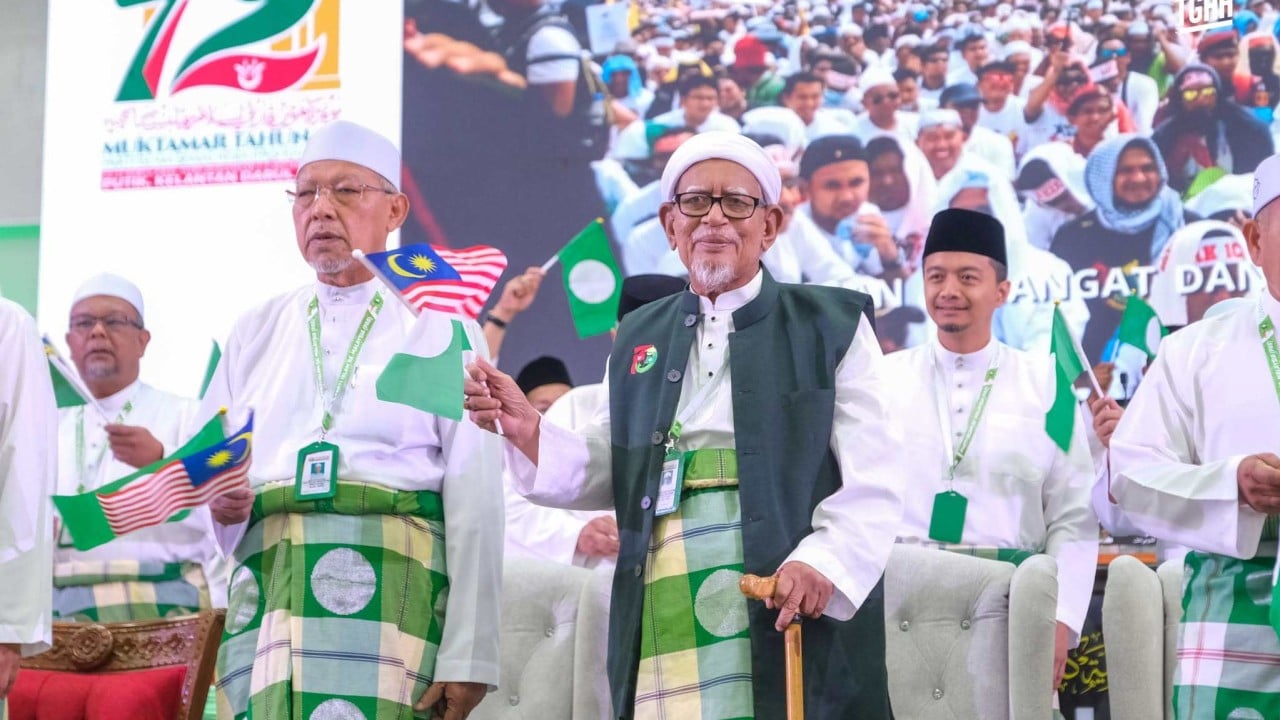
PAS leaders used their recent annual gathering, or muktamar, to signal that the door to Umno is wide open. Yet, the messaging carries a blunt warning. The Islamist party expects Umno to accept its dominant standing. Grassroots organizers from both sides are testing the waters, pushing for simultaneous national polls to capitalize on current momentum. Analysts at firms like KRA Group point out that both factions want an early general election before Prime Minister Anwar can shore up the national economy and reverse his current political vulnerabilities.
Power Dynamics on the Ground
Look past the grand speeches in Kelantan and you will see real electoral strategy at play. In northern states and swing regions like Perak, PAS has steadily eaten away at Umno's historic territory. Decades of meticulous grassroots groundwork transformed PAS from a regional Islamist party into a juggernaut capable of out-organizing traditional establishment heavyweights.
Umno, meanwhile, is grappling with its identity crisis. Tied to a unity government it once opposed, party leadership faces internal friction. Figures like Umno Youth chief Dr. Akmal Saleh showing up at PAS youth events signal that the rank-and-file want unity over fragmentation. But local seat negotiations will get messy. Neither party wants to give up winnable districts. If they cannot resolve who runs where, this fragile peace could shatter before ballots ever get printed.
What Happens When the Smoke Clears
You have to look at the bigger picture to understand where this leads. PAS is betting that a consolidated Malay-Muslim front can storm federal power. They are shedding the defensive posture of past decades and demanding absolute authority. Umno, facing an existential threat to its political survival, has very few cards left to play. Partnering with PAS offers a lifeline, even if it means playing second fiddle to a party they used to dismiss.
Keep your eyes on the upcoming party assemblies and state-level seat talks. If leadership can hammer out a non-compete pact, Prime Minister Anwar faces the fight of his political life. Watch how local divisions react when district leaders are forced to step aside for their former enemies. Politics is local, and compromises made in boardrooms often collapse the moment they hit the streets. Expect high drama, sudden betrayals, and a relentless push toward an early ballot box.