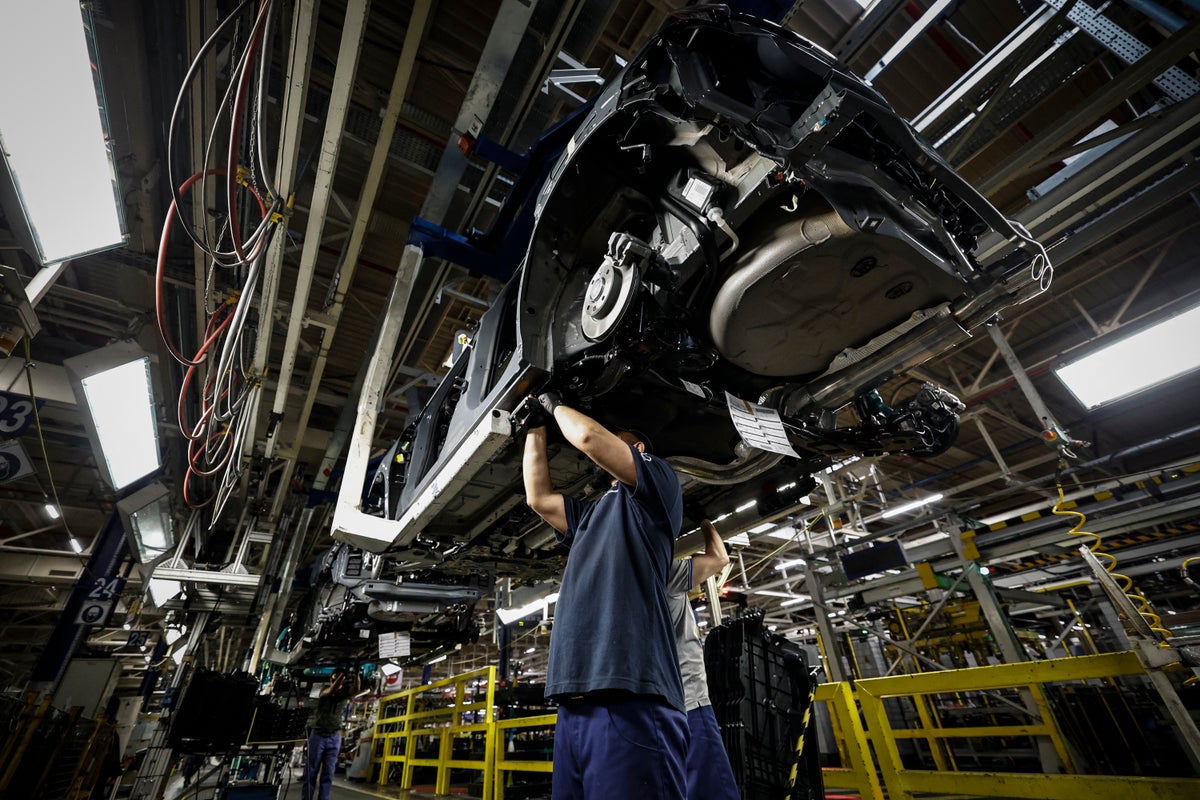
The gloves are off. Again. President Trump just confirmed he's moving forward with a massive 25% tariff on European Union automobiles starting next week. It isn't a "maybe" or a "we’re looking into it." It's happening. If you thought the trade wars of the last decade were intense, you haven't seen anything yet. This move targets the heart of the European economy—Germany specifically—and it’s going to change what you pay for a new car almost immediately.
This isn't just about tax revenue. It’s about leverage. Trump has long complained that the EU treats the United States "very badly" on trade. He points to the fact that while the US currently levies a 2.5% tariff on cars imported from the EU, the EU hits American-made cars with a 10% tax. He wants that gap closed, and he’s using a sledgehammer to do it.
The sudden shock to the global supply chain
The timing is what's catching everyone off guard. Most analysts expected months of negotiations or at least a grace period. Instead, we’re looking at a seven-day fuse. European automakers like Volkswagen, BMW, and Mercedes-Benz saw their stock prices dip the moment the news broke. They aren't just losing profit margins; they’re losing the ability to plan.
Automotive manufacturing isn't something you can shift overnight. These companies have massive factories in places like Bavaria and Stuttgart that are geared specifically for the American market. You can't just flip a switch and start selling those SUVs in Asia instead. The US is the world's most lucrative car market. Losing easy access to it is a nightmare scenario for European CEOs.
The ripple effect goes way beyond the brand name on the hood. Think about the parts. A modern car has roughly 30,000 parts. Many of those are made by mid-sized German companies—the "Mittelstand"—that provide everything from specialized fuel injectors to leather seating. When the finished car gets hit with a 25% tax, the demand for all those components drops. It’s a systemic hit.
What this means for your next car purchase
Let’s talk about your wallet. If you’re planning to buy an Audi or a Volvo next month, you should probably head to the dealership today. Dealers generally don't eat these costs. They pass them to you. A $50,000 car could suddenly carry a $62,500 price tag. That isn't a small adjustment. That’s the difference between a luxury sedan and a compact economy car.
There’s a misconception that this only hurts the "rich" people buying Porches. That’s wrong. Many "American" cars use European components or are built on platforms shared with European models. Even if the car is assembled in South Carolina, if the engine or transmission comes from across the pond, the price is going up.
Expect the used car market to go crazy too. When new cars become unaffordable, people flock to the used lot. We saw this during the chip shortages of 2021. Prices spiked because supply couldn't meet demand. We're about to see a sequel, but this time it's driven by policy rather than a virus.
The EU response and the threat of retaliation
Don't expect the European Commission to sit quietly. They’ve already prepared a "rebalancing" list. This is trade-speak for hitting back where it hurts. In the past, the EU targeted iconic American goods—Harley-Davidson motorcycles, Kentucky bourbon, and Levi’s jeans. They pick products from states that are politically important to the administration.
The goal is to create enough domestic political pressure that the White House backs down. It’s a game of chicken played with billions of dollars. The problem is that Trump hasn't shown much interest in backing down when it comes to tariffs. He sees them as the ultimate tool of statecraft.
Brussels is in a tough spot. If they don't respond, they look weak. If they do respond, they risk a full-blown trade war that could tip the global economy into a recession. The Eurozone is already struggling with sluggish growth. A trade war with their biggest partner is the last thing they need.
Why the Section 232 argument is back
The legal basis for these tariffs usually falls under Section 232 of the Trade Expansion Act of 1962. This allows a president to bypass Congress and impose tariffs if "national security" is at stake. It sounds crazy to say a BMW is a threat to national security, but the argument is that a healthy domestic auto industry is vital for a country's industrial base.
Critics argue this is a broad overreach of executive power. They say it turns a tool meant for wartime into a tool for general economic bullying. But from Trump’s perspective, the US has been the "piggy bank that everyone is robbing." He’s mentioned this phrase dozens of times in rallies. To him, the trade deficit is the only metric that matters. If we buy more from them than they buy from us, we’re losing.
The winners and losers in the American market
While European brands are sweating, domestic manufacturers like Ford and GM might see a short-term boost. If a Mercedes becomes $15,000 more expensive, a Cadillac suddenly looks a lot more attractive. This is the "America First" strategy in action. The idea is to force these European companies to build more factories inside the US.
BMW already has its largest plant in the world in Spartanburg, South Carolina. But many of the cars made there are exported back to Europe or China. The new tariffs might force these companies to shift even more of their global production to American soil to avoid the border taxes. That means more jobs in the US, which is the ultimate goal for the administration.
However, there’s a catch. If the EU retaliates by taxing US-made cars, those exports from South Carolina get hammered. It’s a double-edged sword. You might save jobs in one area but lose them in another.
Specific brands most at risk
- Volkswagen: They move huge volumes and don't always have the luxury margins to absorb a 25% hit.
- Porsche: High margins help, but a 25% jump on a $120,000 car is still $30,000. That’s enough to make even a wealthy buyer flinch.
- Jaguar Land Rover: Already struggling with reliability perceptions and shifting to EVs, this could be the breaking point for their US sales.
Looking at the broader economic impact
Inflation is the word everyone is afraid of. The Fed has been trying to keep prices stable, but tariffs are inherently inflationary. They are a tax on the consumer. If everything from cars to car parts gets more expensive, the cost of living goes up.
It’s not just about the sticker price. Logistics companies, car rental agencies, and even ride-share drivers feel the pinch when fleet costs rise. If it costs Hertz more to buy a fleet of Audis, your weekend rental in Denver is going to cost more. It’s a massive web of interconnected costs.
How to navigate the next 90 days
If you're in the market for a vehicle, you need to act fast. The inventory currently on dealer lots was imported under the old rules. Once those cars are gone, the new "tariff-adjusted" pricing kicks in.
- Check the VIN: Cars starting with "W" are made in Germany. If you're looking at one, buy it now.
- Negotiate hard today: Dealers know the price hikes are coming. They might try to raise prices early, or they might be desperate to move inventory before the market cools down due to high prices.
- Consider domestic alternatives: If you're loyal to the brand, you're going to pay the "Trump tax." If you're loyal to your budget, it's time to look at what's being built in Michigan or Ohio.
This isn't a drill. The notification has been sent, the date is set, and the impact will be felt by every driver in the country. The era of cheap European imports is officially over for now. Buckle up. It’s going to be a bumpy ride for the global economy.