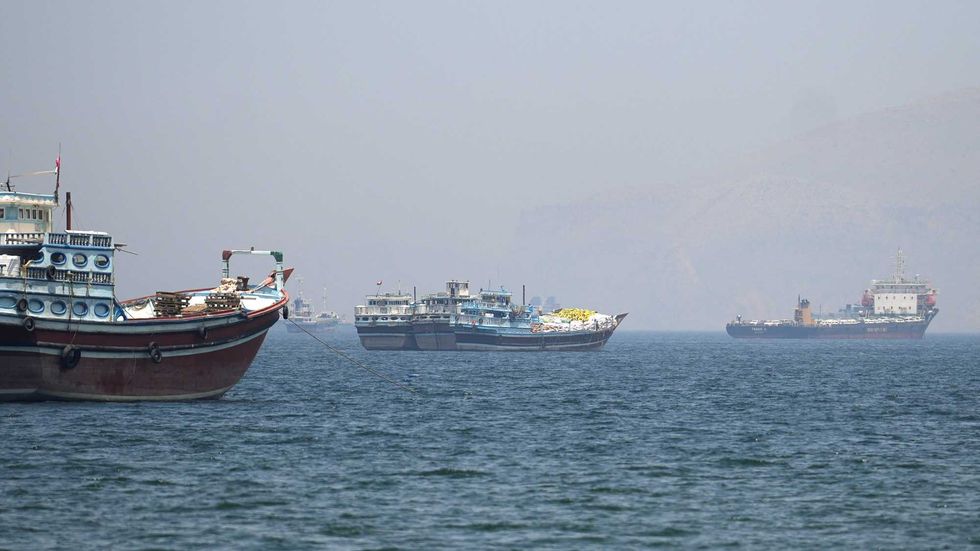
Western intelligence and defense analysts are buzzing again about a weapon that sounds like it was ripped from a Cold War spy novel. Iran wants to use marine mammals—specifically dolphins—to counter American naval dominance in the Persian Gulf. This isn't just some wacky rumor or a plot for a low-budget action flick. According to reports cited by the Wall Street Journal, Tehran has been looking into "mine-carrying dolphins" as a asymmetric response to US blockades.
Let's be clear about why this matters. The Strait of Hormuz is a choke point. If Iran feels backed into a corner by sanctions or a physical blockade, they don't have a traditional navy that can go toe-to-toe with a US carrier strike group. They can't win a fair fight. So, they don't fight fair. They use "swarm" boats, midget submarines, and apparently, trained animals. If you're a sailor on a multi-billion dollar destroyer, your high-tech sonar is great at spotting other ships. It's much worse at spotting a biological entity that looks like every other piece of sea life until it’s too late.
The Soviet Origin of Iran's Underwater Program
Iran didn't just wake up one day and decide to talk to the animals. This program has roots. Back in the 1990s, after the collapse of the Soviet Union, the Russian military found itself with a lot of expensive hardware and specialized programs it could no longer afford. One of those was their marine mammal project based in Crimea.
The Soviets had spent decades training dolphins and sea lions for various tasks. They weren't just "mascots." These animals were trained to find mines, mark underwater obstacles, and even attack divers using specialized equipment attached to their snouts. When the funding dried up, the project’s head, Boris Zhurid, sold the animals to Iran in 2000.
I've talked to folks who followed the initial sale. Back then, the justification was that the dolphins were for "research" and "public displays" in dolphinariums. But let’s be real. You don't buy a batch of highly trained military assets from a cash-strapped Russian scientist just to watch them jump through hoops for tourists. The Iranian military saw an opportunity to inherit decades of Soviet research for pennies on the dollar.
Why Marine Mammals are Better Than Robots
You might wonder why anyone bothers with dolphins in 2026. We have drones. We have autonomous underwater vehicles (AUVs). We have AI-driven sensors. Why use a living, breathing creature that needs food and sleep?
The answer is simple. Nature is better at this than we are. A dolphin’s biological sonar is still light-years ahead of anything Lockheed Martin or Raytheon has put in the water. They can distinguish between a buried mine and a rock with almost perfect accuracy in murky, cluttered water where electronic sensors struggle.
Dolphins are incredibly fast. They're agile. They don't need batteries. They "recharge" by eating fish. In the high-salinity, high-temperature environment of the Persian Gulf, electronic equipment fails constantly. Saltwater is incredibly corrosive. Animals, however, are evolved to thrive in those exact conditions. If you're trying to defend a harbor or a narrow strait, a pod of trained dolphins acts like a mobile, sentient mine-detection system that doesn't show up on traditional radar.
The Dark Side of the Mine Carrier Concept
The "mine-carrying" part of the WSJ report is what gets people's blood cold. There’s a big difference between a dolphin that finds a mine and a dolphin that is the delivery system for a mine.
The technical term is "offensive counter-swimmer operations" or "object delivery." Theoretically, a dolphin could be trained to carry a limpet mine—a magnetic explosive—and attach it to the hull of a ship. It's a terrifying prospect. Imagine a silent, biological "torpedo" that approaches a ship from underneath. By the time the crew realizes something is wrong, the dolphin has swam away, and the hull is about to be breached.
Is it ethical? Absolutely not. Is it effective? It could be. But there's a catch. Dolphins are smart. They're actually too smart for some of the things humans want them to do. If a dolphin perceives a task as suicidal or overly stressful, it often refuses to cooperate. They aren't mindless machines. This is why the US Navy’s own Marine Mammal Program focuses heavily on recovery and detection rather than "kamikaze" missions. It’s hard to get a sentient being to blow itself up.
The Strategic Reality in the Strait of Hormuz
If Iran successfully deploys these assets, it changes the math for the US Navy. The Persian Gulf is shallow. It's noisy. It’s crowded with commercial tankers. In that environment, the US military’s technological advantages are neutralized.
If Tehran can use dolphins to secretly seed mines in shipping lanes, they can shut down 20% of the world's oil supply without ever firing a missile. The mere threat of mines is often enough to stop commercial traffic. Insurance rates skyrocket. Tankers refuse to sail. The global economy takes a hit. That's the real power of the "dolphin program." It's not about sinking a carrier; it's about creating enough doubt and chaos to win a diplomatic or economic battle.
How the US Navy Counters Biological Threats
Don't think for a second the US is sitting idle. The US Navy has its own program based in San Diego. They've been doing this since the 60s. They know exactly what these animals can and cannot do.
The defense against a "combat dolphin" isn't what you think. You aren't going to have sailors with harpoons on the deck. Instead, it involves sophisticated acoustic deterrents—basically underwater noise makers that are so loud and painful to a dolphin's sensitive hearing that they won't come near the area. We also use our own dolphins to find theirs. It’s a literal arms race beneath the waves, played out by creatures that have no idea they're part of a human geopolitical struggle.
The Hardware Involved in Modern Marine Warfare
It’s not just the animals. It's the "kit" they wear. Modern military dolphins are often equipped with:
- Pinger systems: These allow handlers to track the animal in real-time.
- Bite-plate cameras: The dolphin carries a camera in its mouth, allowing a remote operator to see exactly what the dolphin sees.
- Marking buoys: When a dolphin finds a mine, it releases a buoy that floats to the surface, telling the humans exactly where to look.
If Iran has upgraded the old Soviet tech, they might be using more advanced telemetry. But honestly? They don't need high-tech. They just need the dolphin to do what it does naturally: find things that don't belong in the ocean.
What This Means for Global Security
The use of animals in war is always a sign of desperation or a desire for extreme asymmetry. Iran knows it can't build 10 new destroyers to match the US. But it can buy a few dozen dolphins and spend a decade training them. It's a low-cost, high-impact strategy.
If you're following this story, don't get distracted by the "James Bond" vibes. Look at the logistics. Look at the geography of the Gulf. This is about control of the world's most important energy corridor. Whether the mine is dropped by a billion-dollar drone or a 400-pound mammal, the hole in the ship looks exactly the same.
Practical Realities of the Iranian Threat
If you're an analyst or just someone interested in maritime security, here’s what you should actually be watching for:
- Increased activity in Bandar Abbas: This is the primary Iranian naval base and the likely home of any marine mammal program.
- Unusual acoustic signals: Modern sonar can sometimes pick up the distinct "chatter" of trained pods if you know what to listen for.
- Procurement of specialized vet supplies: Moving dolphins requires specific transport tanks and life-support systems.
The Iranian dolphin program is a reminder that in modern warfare, the most effective tools aren't always the newest ones. Sometimes, they're the ones that have been swimming in the ocean for millions of years.
Keep an eye on regional tensions. If the rhetoric regarding a blockade of the Strait of Hormuz heats up, these "biological assets" will be the first things moved into position. They're silent, they're deadly, and they're almost impossible to stop once they're in the water.
You should pay attention to how the US Navy’s 5th Fleet reacts to these reports. If you see an increase in underwater surveillance or the deployment of "Marine Mammal Systems" to the region, you’ll know the threat is being taken seriously at the highest levels. Don't wait for a headline about a ship hitting a mine. The real war is happening right now, silently, beneath the surface of the Persian Gulf.