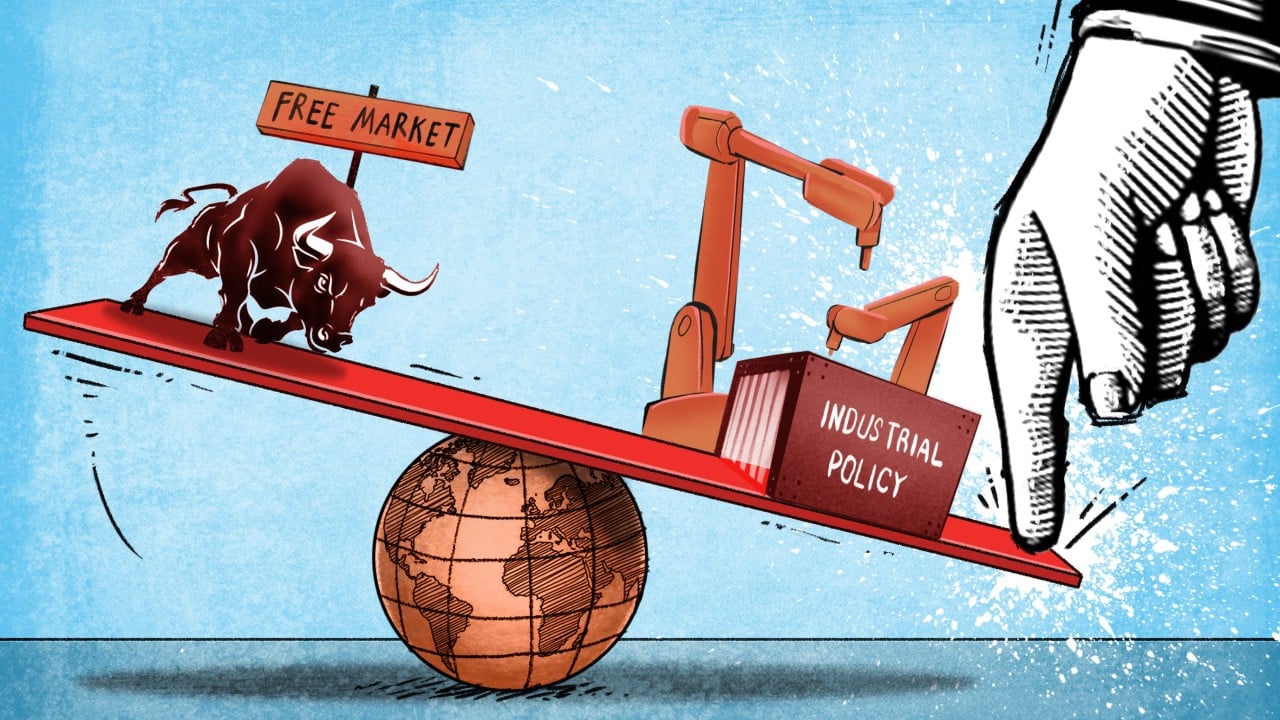
Washington is addicted to the theater of protectionism. The latest "trade probe" into China and the EU isn't a strategic masterstroke to revive the American industrial heartland. It is a desperate, blunt-force instrument that ignores how modern global value chains actually function. While politicians preen for the cameras about "leveling the playing field," they are effectively placing a chokehold on the very companies they claim to protect.
The "lazy consensus" suggests that by slapping a 25% tax on imported steel, aluminum, or electric vehicle components, we magically force manufacturing to migrate back to Ohio or Pennsylvania. It’s a fairy tale. In reality, these probes do little more than increase the cost of doing business for domestic manufacturers who rely on specialized global inputs to stay competitive.
The Myth of the "Level Playing Field"
Politicians love the phrase "level playing field." It implies a fair game where the only thing holding American workers back is a sneaky foreign subsidy. This is a fundamental misunderstanding of 21st-century economics. We are no longer in an era where a factory takes in raw iron ore at one end and spits out a finished car at the other.
Production is fragmented. A single high-tech component might cross borders six times before it is finished. When the US launches a probe into EU or Chinese imports, it isn't just targeting a "foreign" entity. It is targeting the supply chain of American firms.
If you tax the intermediate goods—the sensors, the specialized alloys, the sub-assemblies—you aren't hurting the foreign exporter as much as you are kneecapping the American integrator. I have seen mid-sized American tech firms watch their margins evaporate overnight because a specific high-grade polymer they need is suddenly caught in a trade war crossfire. They don't move their sourcing to the US because that capacity doesn't exist here; they simply stop innovating or move their entire assembly operation to Mexico or Vietnam.
Why "Reviving" Old Tariffs is a Race to the Bottom
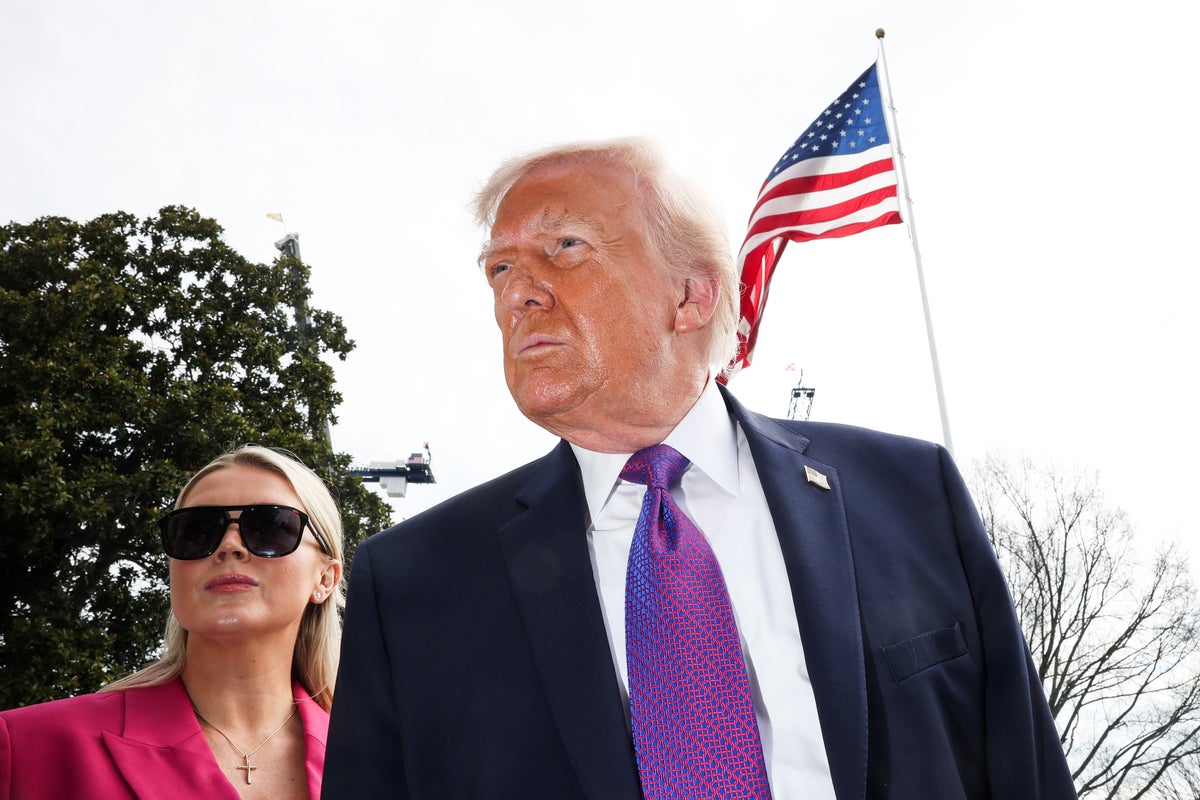
The current administration's attempt to "revive" Trump-era tariffs is a signal of intellectual bankruptcy. It suggests that the only tool in the shed is a hammer from 2018. The world has changed. The "China Plus One" strategy is already the industry standard. Capital is fluid; it doesn't wait for a trade probe to conclude.
When you increase tariffs, you create a "deadweight loss" in the economy. This is a basic principle often ignored in stump speeches.
$$Total\ Surplus = Consumer\ Surplus + Producer\ Surplus + Government\ Revenue$$
In a tariff scenario, the gain in government revenue and the slight bump for a few domestic producers are almost always outweighed by the massive loss in consumer surplus and the increased costs for downstream industries.
Imagine a scenario where the US imposes a 20% tariff on European precision machinery used in American semiconductor labs. Does a US-based precision machinery industry sprout up overnight? No. The lab pays 20% more, slows down its R&D, and loses its lead to a competitor in South Korea or Taiwan who doesn't face those artificial costs. We are effectively taxing our own technological edge.
The EU-China False Equivalence
Lumping the EU and China into the same "trade probe" is a strategic blunder of the highest order. China operates on a state-capitalist model where the line between private enterprise and government subsidy is intentionally blurred. The EU is a complex, regulatory-heavy bloc that is often our closest ally in setting global standards.
By treating them as identical threats, the US pushes the EU closer to China. If the US signals that it will use tariffs as a primary diplomatic tool against its allies, the EU has no choice but to seek "strategic autonomy." This means they will build their own digital ecosystems and trade corridors that exclude American tech. We are handing our market share to competitors on a silver platter because we’re too obsessed with the optics of being "tough."
The Hidden Cost of "Domestic Content"
The obsession with "Made in America" requirements often ignores the reality of resource scarcity and specialized labor. We can't simply wish a lithium processing plant or a high-end foundry into existence with a trade probe.
I've watched companies spend millions trying to comply with "Buy American" provisions only to find that the domestic equivalent is 40% more expensive and 20% less reliable. This isn't because American workers are "lazy"—another common, insulting trope—but because the US hasn't invested in the specific infrastructure and vocational training required for those niches in decades. Tariffs don't fix infrastructure. They just make the status quo more expensive.
People Also Ask: The Wrong Questions
"Don't tariffs protect American jobs?"
Only if you look at a tiny slice of the economy. For every one job "saved" in a protected industry like raw steel, approximately 8 to 10 jobs are put at risk in steel-consuming industries like automotive, construction, and appliances. You are trading a high-paying engineering job at a tech firm for a subsidized labor job in a dying industry.
"Isn't China cheating?"
Yes, frequently. But the solution isn't a blanket tariff that hurts US consumers. The solution is targeted, multilateral pressure and—more importantly—out-innovating them. You don't win a race by trying to trip the person in the next lane; you win by running faster. We are currently spending all our energy trying to tie their shoelaces while our own sneakers are falling apart.
The Brutal Truth About Manufacturing
The hard truth that no politician will tell you is that manufacturing is becoming increasingly automated. Even if we brought every factory back from Shenzhen to St. Louis, the "thousands of jobs" promised wouldn't be for assembly line workers. They would be for robots and a handful of high-level technicians.
The trade probe is a 20th-century solution to a 21st-century reality. We are fighting over the scraps of industrial-age labor while the real value has shifted to intellectual property, design, and software integration. By taxing the hardware imports, we make the software and design stages—where the US actually leads—prohibitively expensive to execute.
The Downside of This Contrarian View
Admittedly, a pure free-trade approach has its own scars. We saw the "China Shock" of the early 2000s hollow out communities. I’m not suggesting we do nothing. But the "something" we do should be investing in our own competitive advantages rather than trying to build a wall around a declining model.
We should be funding massive R&D credits, streamlining the permitting process for new domestic mines, and overhauling a broken education system. These are hard, long-term fixes. Tariffs are an easy, short-term drug. They provide a quick hit of "looking tough" followed by a long, painful comedown of inflation and lost competitiveness.
Stop Trying to "Protect" and Start Competing
The US needs to stop acting like a wounded giant hiding behind trade barriers. We have the best university system, the deepest capital markets, and the most resilient entrepreneurial culture in the world.
Every dollar spent litigating a trade probe is a dollar not spent on the next breakthrough in solid-state batteries or modular nuclear reactors. We are distracting our best legal and strategic minds with the minutiae of "dumping" margins instead of focusing on the grand strategy of technological dominance.
If we continue down this path of "reviving" failed protectionist policies, we won't bring back the 1950s. We will simply ensure that the 2030s belong to someone else. The world isn't waiting for the US to finish its trade probes. It's moving on.
Stop asking how we can stop China or the EU from selling to us. Start asking why we aren't making products so superior that their subsidies don't matter. Protectionism is the ultimate admission of defeat. It is a white flag dressed up as a battle cry.
The real trade war isn't fought at the customs office. It’s fought in the lab, on the server farm, and in the boardroom. Every time we lean on a tariff, we admit that we’ve lost the ability to compete on merit.
Stop taxing American progress to save a ghost of the American past.