Li Wei stands in a humid warehouse in Mexico City, thousands of miles from the neon-soaked streets of Shenzhen. He is not a tourist. He is an advance scout for a Chinese consumer electronics firm, and today, he is staring at a broken pallet jack. To a casual observer, it is a minor logistics hiccup. To Li, it is a symbol of the friction inherent in the "Go Global" mandate.
For a decade, the narrative surrounding Chinese firms was one of domestic saturation. The Great Firewall and a massive internal population created a pressure cooker of innovation. But eventually, the steam had to go somewhere. The "Go Global" movement (Chuhai) was born not out of a desire for adventure, but out of a biological necessity for growth. Now, the early pioneers who survived the "culture shock" phase are starting to see something more substantial than just footprint expansion. They are seeing the harvest. For a more detailed analysis into this area, we suggest: this related article.
The Ghost of Domestic Margins
Back in China, the price wars are legendary. It is a race to the bottom where profit margins are thinner than a sheet of calligraphy paper. When a company like BYD or Haier looks at the European or Southeast Asian markets, they aren't just looking for customers. They are looking for oxygen.
Consider the hypothetical case of "TechFlow," a mid-sized manufacturer of smart home appliances. In Shanghai, TechFlow fights for every yuan. They spend millions on livestreaming influencers just to maintain a 3% margin. But when TechFlow sets up shop in Germany, the math changes. The consumer expectations are higher, yes, but the willingness to pay for quality is significantly more robust. To get more information on this issue, comprehensive coverage can be read on MarketWatch.
This is the hidden engine of the current profit surge. By exporting their hyper-efficient supply chains into markets with higher price ceilings, Chinese firms are effectively arbitrageurs of industrial capability. They have spent twenty years learning how to build things perfectly for almost nothing. Now, they are selling those same things to people who are used to paying a premium.
The Translation of Trust
The initial wave of Chinese global expansion was often criticized for being "hardware-heavy and soul-light." Companies shipped boxes, not brands. Li Wei remembers those days. He remembers trying to sell high-end routers in Brazil using a manual that had been clumsily translated through three different automated programs. It didn't work.
The firms currently reaping rewards are the ones that stopped trying to "colonize" foreign markets with Chinese corporate culture and started "localizing" their very DNA. This meant hiring local CEOs, building R&D centers in the heart of the Silicon Valley or Tel Aviv, and—most importantly—listening to the silence between the sales figures.
Profit follows trust. In the Middle East, Chinese gaming companies like Yalla Group didn't just translate their code; they built digital "majlis" spaces that reflected the specific social habits of the region. They didn't assume a teenager in Riyadh wanted the same interface as a teenager in Chengdu. That nuance is the difference between a one-off sale and a lifetime of recurring revenue.
The Invisible Infrastructure of Success
We often talk about the "Belt and Road" as a matter of physical asphalt and concrete. But the real infrastructure being laid down is digital and financial. Logistics giants like Cainiao and international payment gateways have turned the nightmare of cross-border trade into a background process.
In the past, a small boutique shoe brand from Fujian would have been crippled by the cost of shipping and the uncertainty of international returns. Today, they plug into a global ecosystem that handles the "boring" parts of business. This allows the creators to focus on the product.
This efficiency isn't just a line item on a balance sheet. It is a psychological shift. When the risk of "going global" drops below a certain threshold, the speed of innovation accelerates. Companies are no longer dipping a toe in the water; they are diving in because they know exactly where the rocks are.
The Cost of Staying Behind
There is a palpable anxiety in the boardrooms of companies that hesitated. While the trailblazers were losing money in 2018 and 2019 to build their overseas networks, the laggards were enjoying the last embers of the domestic boom. Now, the roles have reversed.
The firms that established themselves in Indonesia, Brazil, and Poland five years ago have already paid their "tuition." They have navigated the local labor laws, the fluctuating currencies, and the geopolitical tensions. They have built the relationships that cannot be bought with a sudden infusion of capital.
For a company like Xiaomi, the international market isn't a side project; it is a fortress. When domestic demand fluctuates due to regulatory shifts or economic cooling, the European and Indian markets provide a stabilizer. It is diversified survival.
The New Narrative of Quality
The "Made in China" label is undergoing a silent metamorphosis. It is moving away from the "cheap substitute" category and into the "best-in-class" tier. You see it in the way DJI dominates the drone market, or how Shein has rewritten the rules of global fashion retail through real-time data.
This shift in perception is the most valuable asset these firms possess. It allows for "brand equity," a concept that was once the exclusive playground of Western giants like Apple or Mercedes-Benz. When a consumer in Thailand chooses a Great Wall Motor electric vehicle over a Japanese legacy brand, they aren't just saving money. They are buying into a vision of the future that China has spent decades prototyping.
The rewards we see in the quarterly reports today—the 20% and 30% jumps in international revenue—are just the surface tension. Underneath lies a massive shift in the global hierarchy of competence.
The Resilience of the Pioneer
Li Wei finally gets the pallet jack fixed in Mexico City. He wipes the grease from his hands and looks at his watch. It’s midnight in Shenzhen. He sends a brief message to his headquarters: Shipment cleared. Local staff trained. Moving to the next site tomorrow.
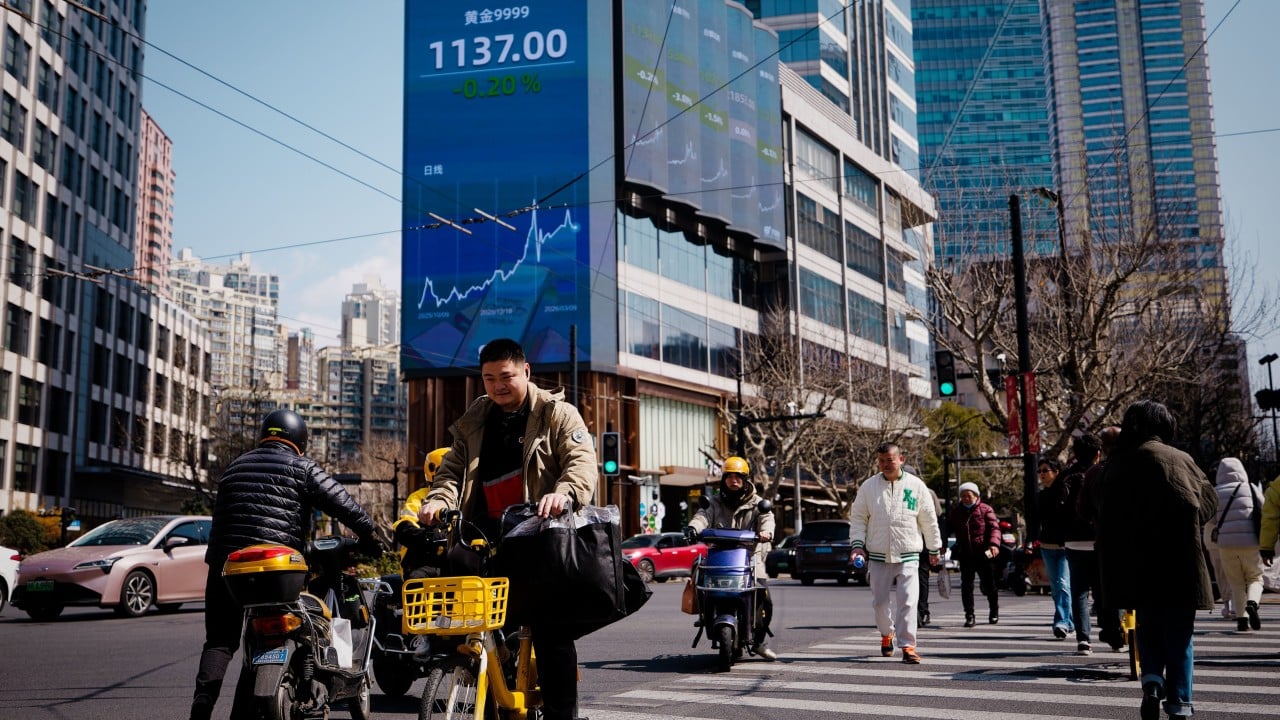
His story is mirrored by thousands of others in warehouses, office parks, and retail outlets across every continent. They are the human friction that eventually wears down the barriers of entry. They endure the loneliness, the missed Lunar New Years, and the constant navigation of "otherness" so that the numbers on the screen back home can turn green.
The profit isn't just a reward for capital. It's a reward for the sheer, grinding persistence of the people who refused to stay within their own borders. They found that the world is large, difficult, and occasionally hostile—but for those who can speak its many languages, it is also incredibly lucrative.
The sun sets over the Mexican plateau, and as the lights of the warehouse flicker on, they look exactly like the lights of a factory in Dongguan. The distance hasn't disappeared, but it has been mastered.