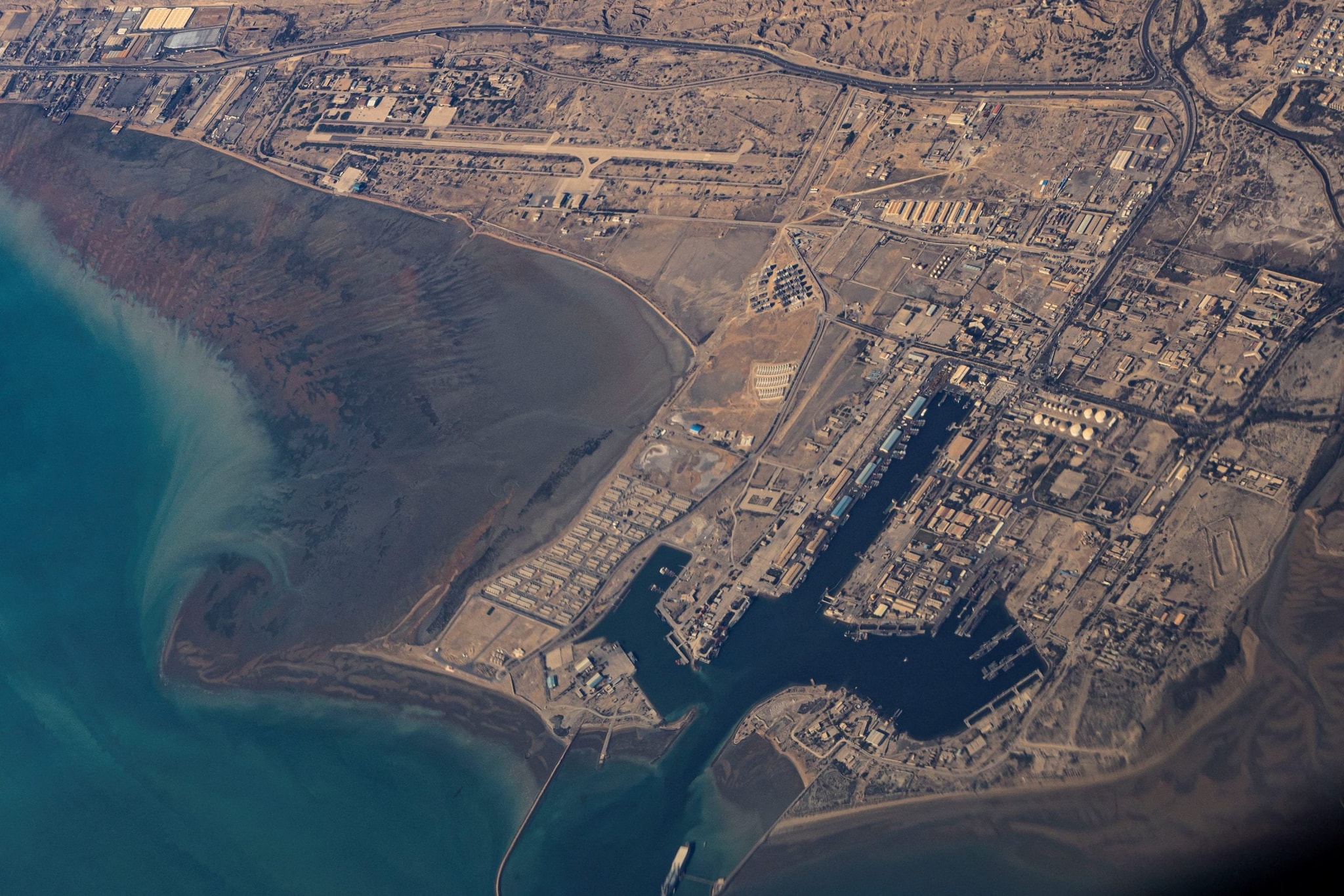
The United States Department of the Treasury has issued a definitive enforcement signal to the global shipping industry: the payment of transit tolls to Iranian authorities within the Strait of Hormuz constitutes a violation of primary sanctions. This directive shifts the operational risk profile for every vessel owner, insurer, and charterer traversing the world’s most critical maritime chokepoint. While previous enforcement focused on the illicit transport of Iranian petroleum, this pivot targets the very infrastructure of transit. By reclassifying toll payments as the provision of material support to a Specially Designated Global Terrorist (SDGT) entity—specifically the Islamic Revolutionary Guard Corps (IRGC)—the U.S. has effectively weaponized the geography of the Strait against the revenue streams of the Iranian state.
The Triple Constraint of Maritime Compliance
Navigating the Strait of Hormuz under this new enforcement regime requires balancing three competing pressures: physical safety, legal insulation, and economic viability. The U.S. warning addresses the intersection of these variables by narrowing the "path of least resistance" for shipping firms.
1. The Legal Liability of Sovereign Infrastructure
Under the current U.S. sanctions regime, the IRGC exerts functional control over the Iranian coastline and the maritime services provided therein. Because the IRGC is designated under Executive Order 13224, any transaction—including mandatory passage tolls—is filtered through the lens of anti-money laundering (AML) and countering the financing of terrorism (CFT) protocols. Shipping firms face a "strict liability" standard; the intent to support a designated group is irrelevant if the funds ultimately reach their accounts.
2. The Insurance Impasse
Protection and Indemnity (P&I) Clubs, which provide the bulk of third-party liability insurance for the global fleet, are often domiciled in or have significant ties to G7 jurisdictions. If a vessel pays a sanctioned toll, it risks the immediate voiding of its insurance coverage. A vessel without P&I coverage is functionally "dead" in the water for international trade, as it cannot enter major ports or secure financing. This creates a secondary enforcement mechanism where the U.S. government does not need to seize every ship; it merely needs to render the ship uninsurable.
3. The Physical Security Tax
Refusal to pay tolls to the IRGC-controlled maritime authorities significantly increases the risk of kinetic interference. The IRGC Navy (IRGCN) utilizes small-boat swarms and boarding parties to harass non-compliant vessels. Firms are now forced to choose between the certainty of U.S. Treasury penalties (including being added to the SDN list) and the probability of physical detention or seizure by Iranian forces.
The Cost Function of Non-Compliance
To quantify the risk, one must look at the "Secondary Sanctions Multiplier." When a shipping firm is sanctioned by the U.S. Office of Foreign Assets Control (OFAC), the damage is not limited to a fine. The multiplier effect involves:
- Global Banking Exclusion: The loss of access to the U.S. dollar (USD) clearing system.
- Counterparty Contagion: Existing contracts often contain "Sanctions Clauses" that allow partners to terminate agreements immediately upon a designation.
- Asset Seizure: Any property belonging to the entity within U.S. jurisdiction—including digital assets or USD-denominated payments in transit—is subject to freezing.
This cost function far outweighs the operational cost of re-routing or the immediate loss of a single cargo. For a Tier 1 shipping conglomerate, the risk of "Sanctions Death" makes the payment of an Iranian toll an irrational business decision, regardless of the physical threats present in the Strait.
The Mechanism of "Toll Laundering" and Its Failures
Some firms have historically attempted to obscure toll payments through local agents, third-party bunkering services, or "protection fees" paid to regional intermediaries. The U.S. warning explicitly targets these obfuscation techniques. The Treasury’s "Look-Through" principle means that if the ultimate beneficiary of a payment is a sanctioned entity, every intermediary in the chain is potentially liable.
The data indicates that the IRGC has increasingly integrated toll collection into its broader commercial portfolio. This integration makes it nearly impossible for a shipping firm to pay for pilotage, tug services, or environmental fees in the Iranian-controlled sectors of the Strait without the funds touching an IRGC-linked account. The U.S. strategy is to collapse the distinction between "administrative fees" and "state-sponsored extortion."
Operational Responses to the Enforcement Signal
Vessel operators are currently evaluating three primary tactical responses to the U.S. directive. None are without significant trade-offs.
Re-Routing and the Cape of Good Hope Variable
The most drastic response is the total avoidance of the Persian Gulf. By re-routing around the Cape of Good Hope, a vessel adds approximately 10 to 14 days to a transit between Asia and Europe. The cost of this delay is calculated by:
$$C = (D \times O) + (F \times P) + (I \times V)$$
Where:
- $C$ is the total re-routing cost.
- $D$ is the number of additional days.
- $O$ is the daily operating cost (crew, maintenance).
- $F$ is the additional fuel consumed.
- $P$ is the price of fuel.
- $I$ is the daily interest/capital cost of the cargo value ($V$).
While expensive, this cost is predictable, unlike the binary risk of a total business shutdown via sanctions.
The "Omani Lane" Strategy
The Strait of Hormuz is divided into traffic separation schemes (TSS). Much of the deep-water channel used by VLCCs (Very Large Crude Carriers) falls within Omani territorial waters. However, the geographic "squeeze" often forces vessels close to the Iranian side, especially when avoiding congestion or weather. Shipping firms are now instructing captains to strictly adhere to Omani lanes, even at the cost of slower speeds or increased fuel burn, to avoid any jurisdictional claim by Iran that would necessitate toll payments.
Dark Fleet Migrations
The U.S. warning will likely accelerate the growth of the "Dark Fleet"—vessels with opaque ownership, flags of convenience (such as Gabon or Cook Islands), and non-Western insurance. These vessels operate outside the reach of the USD financial system. As legitimate firms pull back from the Strait or refuse to pay tolls, the IRGC will likely increase its reliance on these shadow operators to maintain the flow of revenue, further bifurcating the global shipping market into "compliant" and "non-compliant" ecosystems.
The Structural Breakdown of Regional Deterrence
This enforcement action highlights a shift from military deterrence to economic interdiction. The U.S. is signaling that it may not be able to prevent every boarding or harassment event in the Strait, but it can ensure that Iran does not profit from the "protection" of the waterway.
The primary risk to this strategy is the "Chokepoint Paradox." If the U.S. makes it too difficult for compliant ships to operate in the Strait, the vacancy is filled by actors who are already under sanction or have no exposure to the U.S. economy. This increases the total volume of "unmonitored" traffic, reducing the overall transparency of global energy flows.
Strategic Recommendation for Global Tonnage Providers
Firms must immediately audit their "Agent of Record" agreements in the Middle East. If an agent is facilitating payments for maritime services in the Strait, the shipping firm must demand a full "Beneficial Ownership" disclosure of the service provider.
The second move is the implementation of a "Geofenced Compliance Protocol." This involves hard-coding vessel navigation systems to trigger an immediate compliance review if a vessel deviates into Iranian-claimed waters where a toll might be demanded.
Finally, firms must prepare for the "Seizure Scenario." If a vessel is detained for non-payment of tolls, the firm must resist the urge to settle the matter with a "quick payment" to release the crew and cargo. Under the new guidance, such a payment—even under duress—could trigger a permanent loss of access to the global financial system. Legal teams must pre-verify "ransom and extortion" insurance clauses to ensure they do not inadvertently violate the SDGT payment prohibitions.
The era of "quiet compliance" with local Iranian demands is over. The Strait of Hormuz has been redefined from a geographic passage into a high-stakes financial audit.