If you've ever felt your windows rattle when a heavy truck drives by, imagine that force multiplied by a few thousand. For the people living in the shadow of SpaceX’s Starbase in South Texas, that isn't a hypothetical. It's their Tuesday. On May 1, 2026, the simmering tension between Elon Musk’s "Gateway to Mars" and the local community finally boiled over into a federal courtroom.
More than 80 residents from Port Isabel, South Padre Island, and Laguna Vista have filed a massive lawsuit against SpaceX. They aren't just complaining about the noise. They're alleging that 11 Starship test flights conducted between April 2023 and October 2025 have physically battered their homes. This isn't just about a billionaire's hobby; it’s a legal showdown over property rights, gross negligence, and what happens when "moving fast and breaking things" includes breaking the walls of your neighbors' houses.
The Cost of 17 Million Pounds of Thrust
The Starship is the largest rocket ever built. To get it off the ground, the Super Heavy booster ignites 33 Raptor engines, generating roughly 16.7 million pounds of thrust. That much power doesn't just go up; it goes out.
When the first integrated flight launched in April 2023, it didn't just fly—it obliterated the launch pad. It flung pulverized concrete and metal shrapnel nearly seven miles. Since then, SpaceX has added water deluge systems and steel plates, but the sheer "acoustic energy" remains.
The lawsuit claims these homes have been subjected to "repeated intense and damaging acoustic events." We're talking about sonic booms that sound like a gunshot at close range. According to researchers from Brigham Young University (BYU) cited in the filing, these booms create a high risk of structural damage. Glass breaks. Roofs crack. Interior walls develop those "mysterious" spiderweb fractures that weren't there before the countdown reached zero.
What the Homeowners Are Alleging
The legal filing focuses on a few core grievances that paint a picture of a company prioritizing speed over local safety.
- Gross Negligence: The plaintiffs argue SpaceX knew their operations would cause damage but proceeded anyway without proper mitigation for the surrounding residential areas.
- Trespassing: In a legal sense, "trespassing" isn't just someone walking on your lawn. It includes the physical invasion of your property by shockwaves and debris.
- Scientific Deficits: Perhaps most damning is the claim that SpaceX admitted in its own documents to a lack of "data to make refined, accurate clear zones" for blast impacts. Basically, they were learning by doing, and the homeowners were the test subjects.
Living in the Blast Zone
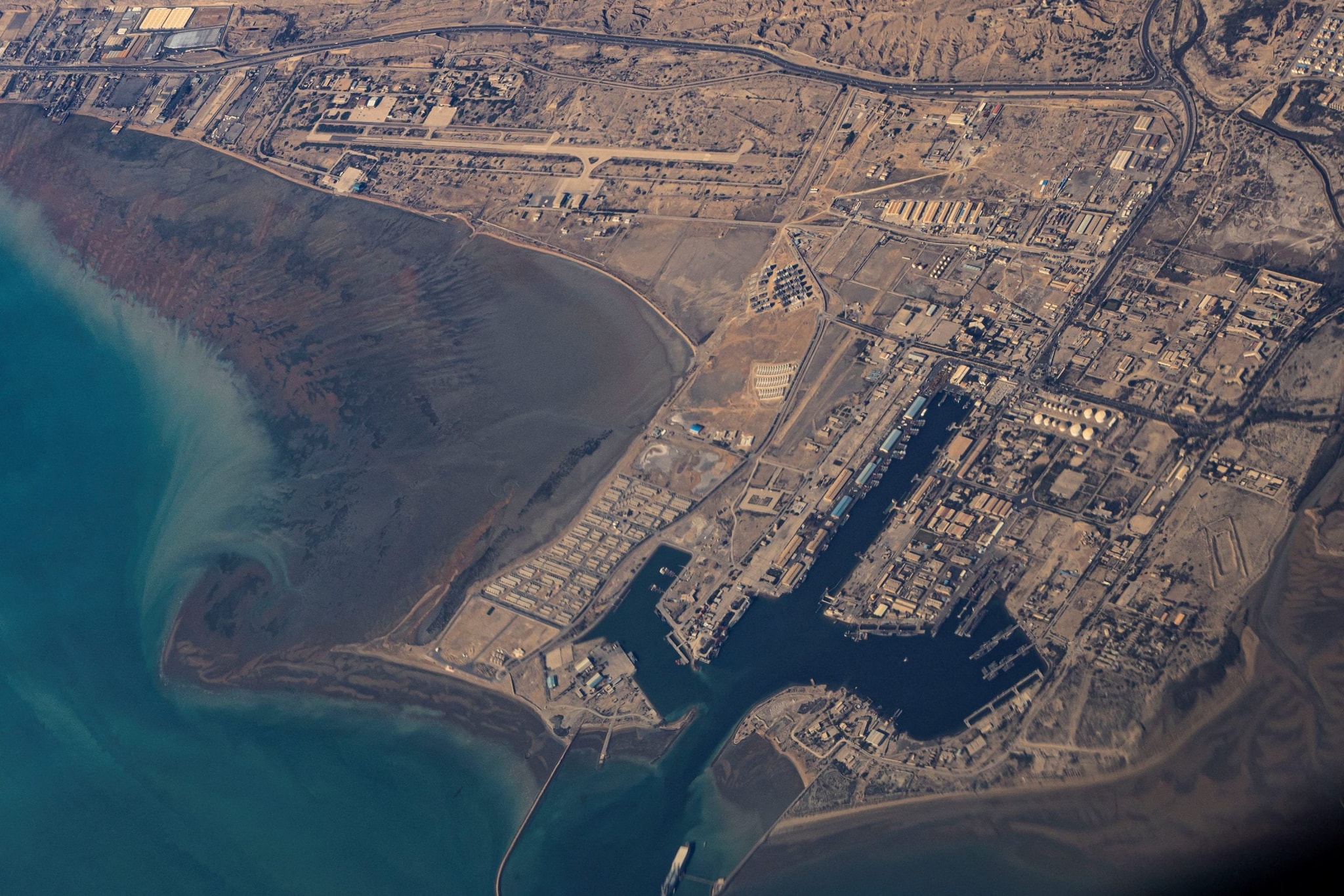
If you haven't been to Boca Chica, it’s hard to grasp how close these "coastal residential communities" are to the launch towers. SpaceX built a skyscraper-sized industrial complex in what used to be a quiet, isolated beach community.
Residents aren't just dealing with the launches. They're dealing with "triple exposure acoustic events." Because the Starship system is designed to be fully reusable, the neighbors get hit three times: once during the launch, once when the booster returns to be "caught" by the integration tower, and again when the Starship itself attempts to land.
The lawsuit mentions that while SpaceX records its own data, it hasn't been transparent about the long-term structural toll on private property. For the 58 households involved, the "glory of space exploration" looks a lot like a collapsing ceiling and a plummeting property value.
The Fight for the Beach
This property damage suit is actually the second major legal headache SpaceX is facing in Texas right now. Just a few months ago, in March 2026, the Texas Supreme Court heard oral arguments regarding the closure of Boca Chica Beach.
The issue there is the Texas Constitution. The "Open Beaches Amendment" technically guarantees Texans "free and unrestricted" access to the shore. But SpaceX has been closing the beach up to 25 times a year.
- The State's View: Texas argues that closing the beach is a valid exercise of "police power" to keep people safe during dangerous tests.
- The Local View: Groups like Save RGV and the Carrizo/Comecrudo Tribe argue that "safety" shouldn't be a permanent excuse to hand a public beach over to a private corporation.
If the homeowners win their damage suit, it could set a massive precedent. It would prove that the "externalities" of the space race—the broken windows and cracked foundations—have a specific dollar amount that SpaceX is responsible for paying.
What This Means for the Future of Starbase
Don't expect SpaceX to pack up and leave. They've invested billions into the Starbase infrastructure. However, this lawsuit might force a change in how they operate.
If a federal judge sides with the homeowners, SpaceX could be looking at:
- Massive Payouts: Compensating 80+ plaintiffs for structural repairs and lost property value.
- Operational Restrictions: The FAA already limits them to 25 launches a year, but a court could impose even stricter noise or thrust mitigation requirements.
- Mandatory Buyouts: SpaceX has bought out many residents in the immediate Boca Chica Village, but the "damage zone" is clearly wider than they originally claimed. They might be forced to offer buyouts to people in Port Isabel or South Padre if the vibration damage is proven to be unavoidable.
If you own property near a major industrial or "experimental" site, you should be watching this case closely. It’s a rare instance of private citizens taking on a titan of industry over the literal foundations of their homes.
If your home has cracks you suspect are related to nearby industrial activity, start documenting them now. Take photos with timestamps. Keep a log of when the events (like launches) occur. Hire an independent structural engineer to do an inspection before the next event. The Boca Chica homeowners didn't just wake up and sue; they've been collecting data and BYU acoustic reports for years to make this stick.