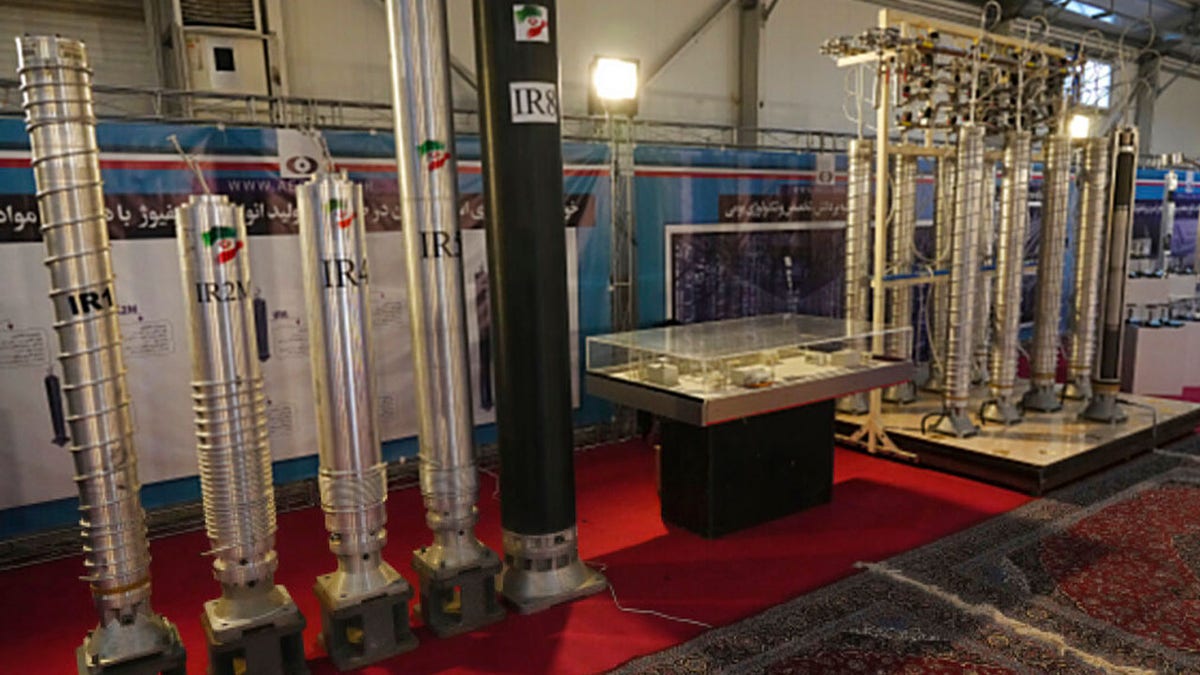
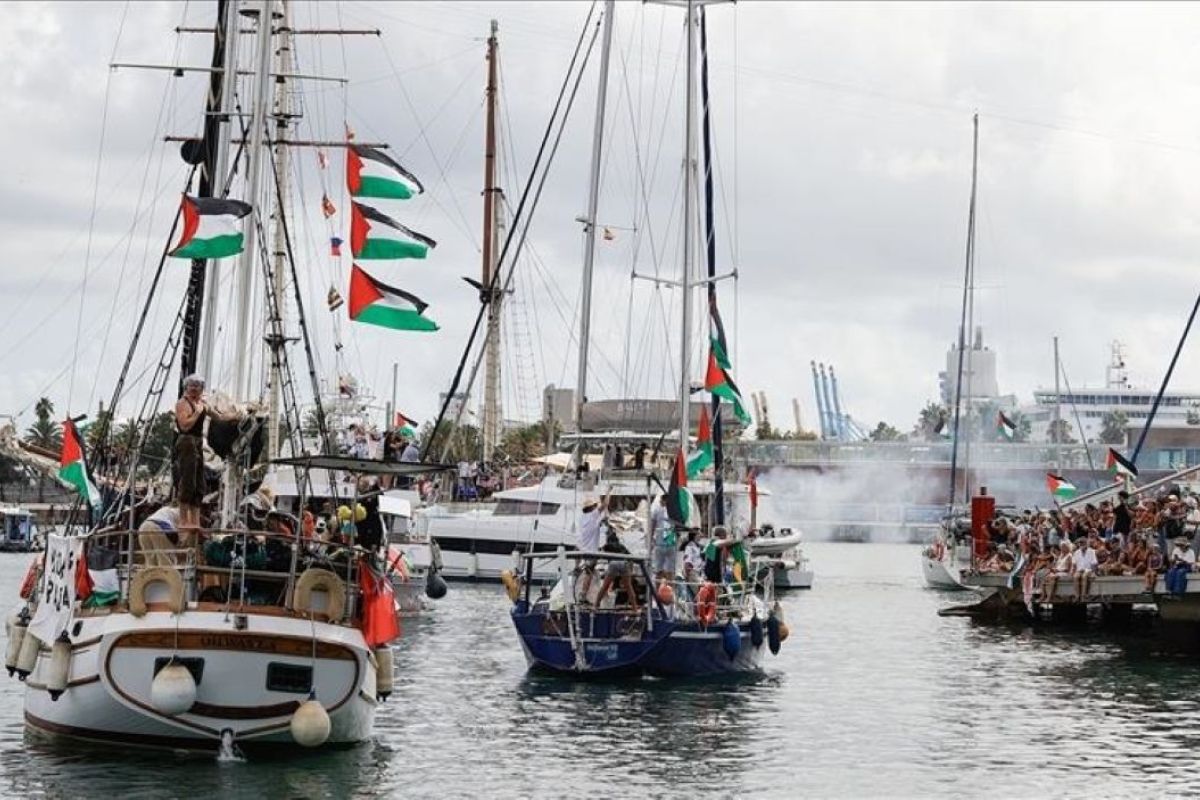
The diplomatic circuit is buzzing with a dangerous fantasy: the idea that Pakistan is the "indispensable bridge" between a fire-breathing Washington and a wounded Tehran. Pundits point to the "Islamabad Talks" and the 45-day truce plan as proof of a new era. They see a nuclear-armed state playing the role of a regional adult, finally cashing in on its geography.
They are wrong.
What the world calls mediation is actually a desperate, high-stakes protection racket. Pakistan isn't at the table because it has unique leverage; it is at the table because it is the only house on the block whose windows shatter every time the neighbors fight. When the U.S. and Israel launched strikes on February 28, 2026, the shockwaves didn't just hit Iranian airfields—they tore through the social fabric of Karachi and the balance sheets of the State Bank of Pakistan.
If you want to understand the reality of 2026, you have to look past the handshakes in Islamabad.
The Myth of the Neutral Arbiter
The "lazy consensus" argues that Pakistan's neutrality is a strategic choice. This is a polite fiction. Real neutrality is a position of strength—think Switzerland in 1940 or Oman in 2015. Pakistan’s "neutrality" is actually a state of paralysis.
With the world's second-largest Shia population, any move that looks too pro-Washington triggers the kind of chaos we saw at the Karachi Consulate on March 1. Ten people died because the government couldn't decide whether to be an American ally or an Islamic brother. At the same time, the Strategic Mutual Defence Agreement signed with Riyadh in 2025 means Islamabad is legally tethered to the very people Iran wants to see burn.
I have seen this movie before. In the early 2000s, Islamabad tried to play both sides of the "War on Terror" and ended up with a decade of internal insurgency. Today, the stakes are higher. You cannot mediate a conflict when your own energy security—90% of your oil—is being strangled by the very person you are trying to calm down. Operation Muhafiz-ul-Bahr isn't a show of force; it’s a maritime panic attack.
Why Washington is Playing Along
Don't mistake the Trump administration's engagement for respect. Washington is using Islamabad as a buffer, not a partner. By allowing Pakistan to shuttle messages, the U.S. avoids the domestic political cost of direct talks with a "rogue" regime. It’s the diplomatic equivalent of using a burner phone.
The reality? Steve Witkoff and Jared Kushner aren't looking for a "Pakistani solution." They are looking for an exit ramp that doesn't look like a retreat. The moment that exit ramp is secured, the "indispensable mediator" will be discarded like a used wrapper.
Consider the "Islamabad Talks" in April. While the world watched the cameras, the actual demands remained unchanged:
- The U.S. demands total nuclear surrender.
- Iran demands an end to the blockade and the removal of regional forces.
Pakistan has zero tools to bridge that gap. It cannot offer sanctions relief (only D.C. can). It cannot offer security guarantees to Iran (only Beijing or Moscow can). All Islamabad can offer is a comfortable chair and a place to talk. That isn't mediation; it's event management.
The Economic Mirage
The most pervasive lie is that this role will "reset" the Pak-U.S. relationship from geopolitics to geoeconomics. Ambassador Rizwan Saeed Sheikh is out there pitching "year of action" and Sialkot-made footballs, hoping the mediation glow will attract investors.
It won't.
Investors don't put money into a "pivot of the world" that has a 40% year-on-year increase in terror attacks. The TTP is currently using the regional distraction to gut Pakistan's internal security. The "battle scars" of the 2025 border war with India are still fresh. No serious capital is flowing into a country that needs an IMF lifeline every eighteen months and just barely avoided a nuclear exchange with New Delhi last May.
Imagine a scenario where the 45-day truce fails. Oil prices, already at $108, will moon. The Strait of Hormuz will become a graveyard for merchant ships. In that world, Pakistan's "mediation" doesn't just fail; it collapses into a domestic crisis that could lead to another round of military intervention.
The China Factor: The Silent Partner
The real power in the room isn't the Pakistani Foreign Office; it's the Chinese proposal Islamabad is carrying. The "Five-Point Initiative" announced on March 31 is a Beijing product with a Pakistani label.
China needs the oil. China needs the CPEC routes to stay viable. Pakistan is merely the messenger because Beijing prefers to lead from behind the curtain. If a deal is struck, the Nobel Prize might go to an official in Islamabad, but the geopolitical invoice will be paid in Yuan.
The Hard Truths of 2026
- Geography is a Curse: Being at the center of South Asia, Central Asia, and the Middle East doesn't make you a bridge; it makes you the battlefield.
- Mediators Need Muscle: If you can't enforce a ceasefire, you aren't mediating; you're spectating. Pakistan’s navy is tasked with protecting its own tankers, not policing the Gulf.
- Sectarian Fault Lines: Every diplomatic win in Tehran is a potential riot in Lahore. The government is walking a tightrope over a pit of fire.
Stop asking what Pakistan gains from being a mediator. Start asking how much longer it can survive the pressure of pretending to be one.
The "mediation" isn't a sign of Pakistan’s rise. It is the final, desperate attempt of a fragile state to keep the global furnace from melting its own borders. If the talks fail, the first casualty won't be in Washington or Tehran. It will be the "pivot of the world" itself.
The world doesn't need a middleman. It needs a miracle. And Islamabad is fresh out.