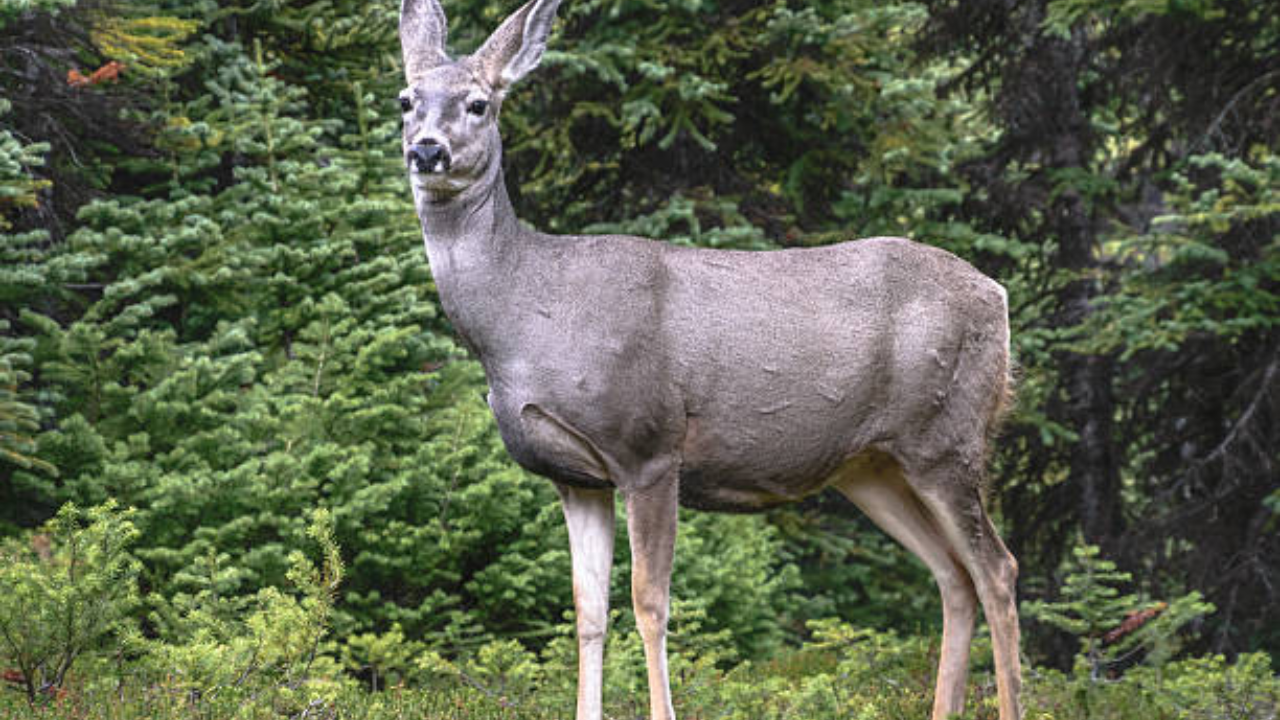
The court order to wipe out two thousand mule deer on Catalina Island is an exercise in ecological cowardice disguised as conservation. Environmental purists love a clean slate. They look at a hillside stripped of endemic shrubs and shriek about invasive species, ignoring the messy, dynamic reality of modern ecosystems. Mule deer arrived on the island nearly a century ago. They are not temporary tourists anymore. They are a permanent structural pillar of the local biology. Eradicating them will not restore some mythical pristine past. It will trigger a cascading collapse that destroys the very landscape the state claims it wants to save.
Environmental management is plagued by a comforting myth that nature exists in a state of static equilibrium, and that human intervention can dial the clock back to 1750 if we just use enough lead. I have spent decades watching agencies throw millions of dollars at scorched-earth eradication projects, pretending that pulling a single thread from a complex web leaves everything else intact. It is a fairy tale for bureaucrats who cannot handle biological complexity.
The Native Fallacy
Let us dispense with the term "native" as a moral absolute. Species move. Climates shift. Catalina Island is not a glass terrarium; it is a modified, dynamic biome shaped by a century of human use, climate pressure, and introduced fauna.
When conservationists demand the total removal of mule deer under the banner of habitat restoration, they rely on a zero-sum ecological framework. The argument goes like this: deer eat endemic plants, therefore fewer deer equals more native flora. The math sounds clean, but biology does not care about your spreadsheet.
The Unseen Web
Remove two thousand large herbivores from an isolated island ecosystem, and you pull the bottom out of the food web. Predators, scavengers, and nutrient cycles rely on that biomass. More critically, decades of grazing have forced the vegetation to adapt. The surviving plant communities have co-evolved with these ungulates. Strip them away overnight, and you invite aggressive non-native grasses and weeds to choke out the fragile endemic shrubs that the culling operation was ostensibly designed to protect.
We saw this playbook before. When land managers attempt radical biological resets without accounting for secondary and tertiary effects, the results are catastrophic.
The Real Threat Is Management Arrogance
The obsession with absolute eradication stems from a profound misunderstanding of resilience. Ecosystems do not achieve health through sterile isolation. They achieve health through adaptation under pressure. Mule deer on Catalina are tough. They have survived droughts, heatwaves, and changing island dynamics for generations.
Instead of treating them as an existential enemy to be exterminated via aerial gunners or mass slaughter, wildlife agencies should look at population management through fertility control, habitat corridor design, and controlled, sustainable hunting programs that respect the resource. But nuance does not clear budgets or satisfy ideological donors. Total eradication makes for a great press release. It lets politicians and preservationists pat themselves on the back for decisive action, regardless of the wreckage left behind.
If you want to save Catalina, stop treating nature like a museum exhibit that needs dusting. Accept that the landscape has evolved, embrace the complexity of hybrid ecosystems, and stop killing animals to satisfy a textbook fantasy that never existed in the first place.