Ten days. Two hundred and forty hours in absolute darkness, trapped beneath tons of grey Himalayan silt and fractured concrete.
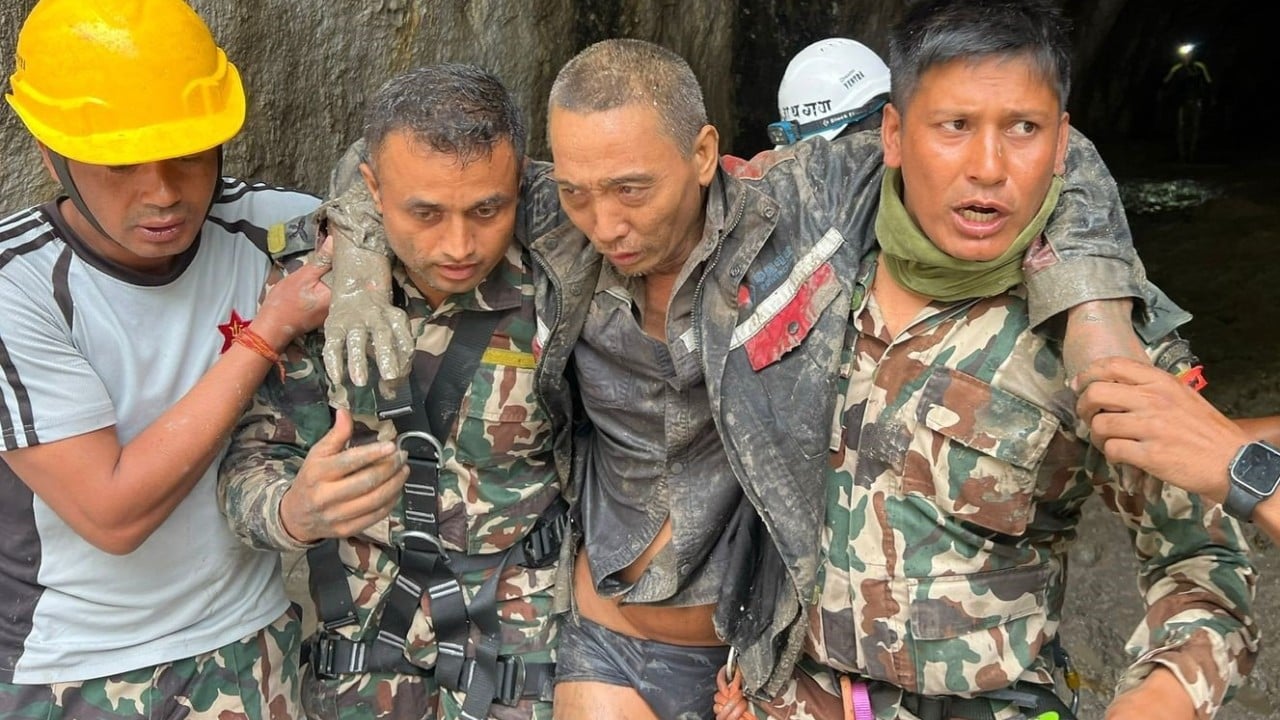
When rescue workers finally pulled a Chinese national from a subterranean drainage tunnel at the Upper Trishuli-1 Hydropower Project and a local woman from a buried home in Nuwakot, they defied the grim mathematical expectations of modern disaster response. Ten days past the catastrophic flash floods that triggered a tsunami of mud across Nepal, survival curves flatline. Dehydration, crush syndrome, hypothermia, and the sheer psychological weight of entombment usually close the book well before the 240-hour mark.
Yet, beneath the devastation left by a disaster that killed over a thousand people and left thousands more missing, these miraculous extractions expose a different reality about underground survival. They force a hard look at the physics of subterranean air pockets, the endurance of the human body under extreme physiological stress, and the agonizing race against time playing out in Nepal's remote river valleys.
The Engineering of an Air Pocket
Survival past a week in a structural collapse or flooded tunnel depends entirely on an invisible architectural anomaly known as the compressed air pocket. When walls of water, glacial debris, and liquefied earth tore through the region, they did not fill every subterranean void uniformly.
In long, multi-chambered infrastructure like the Trishuli hydropower tunnels—stretching hundreds of meters into the bedrock—hydraulic surges frequently trap pockets of atmospheric air behind bulkheads or elevated ceiling arches. Physics offers a narrow window here. The trapped individuals consume oxygen and exhale carbon dioxide, but the rate of consumption slows dramatically as the body enters a state of metabolic conservation, a biological response to cold and starvation often compared to forced hibernation.
Medical professionals point out that ambient moisture inside these deep concrete tubes plays a dual role. While it accelerates hypothermia, it prevents immediate, fatal dehydration. Drinking condensation off rock walls or damp clothing can stretch human survival limits far beyond the standard three-day water threshold, provided ambient temperatures do not trigger terminal shivering.
Inside the Subterranean Labyrinth
The scale of the crisis facing search teams in Nepal remains staggering. Roughly nine hundred workers vanished across a dozen different hydropower installations when the disaster struck, with an estimated five hundred still unaccounted for inside complex subterranean networks.
These tunnels are not simple straight tubes. They are vertical shafts, turbine chambers, and diversion galleries filled with jagged debris, twisted rebar, and toxic slurry. Entering them requires specialized equipment and technical rope rescue skills that push international teams to their absolute limits.
When a joint team of Nepalese military personnel and South Korean disaster experts breached the 225-meter tunnel section where the Chinese worker was found, they navigated conditions of near-zero visibility. Geological instability constantly threatens secondary collapses. Every foot of progress demands shoring up unstable overhead slabs of concrete while listening intently for faint taps or groans against the roar of residual subterranean water flows.
The extraction process itself is a delicate medical operation. Pulling someone out of a hyperbaric or stagnant pocket too quickly can cause sudden blood pressure drops and fatal cardiac events as toxic metabolic byproducts rush back into the main circulatory system. Field medics had to stabilize both survivors on-site before hoisting them into rescue helicopters bound for Kathmandu.
Beyond the Mud Lines
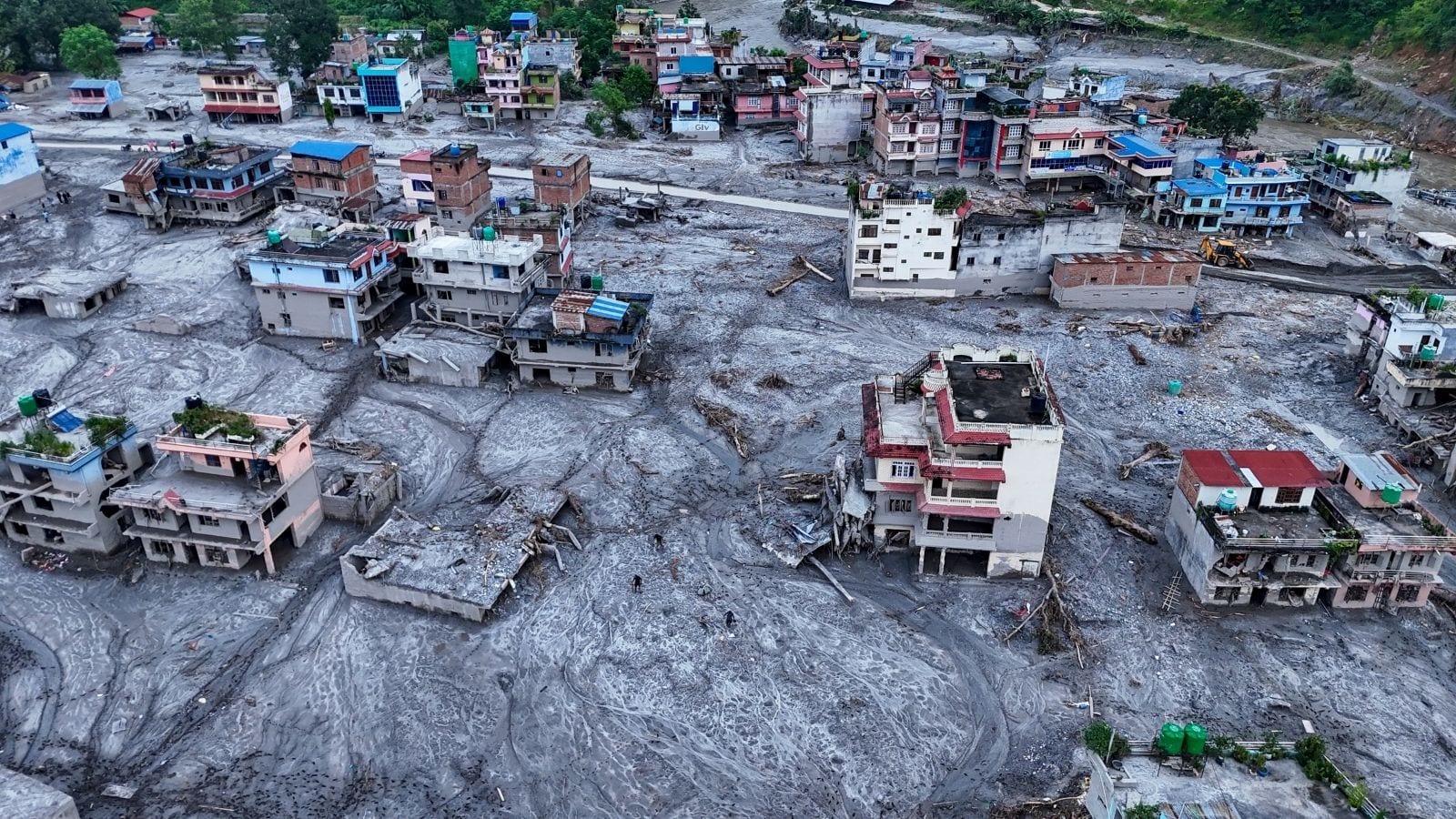
While the tunnel rescues capture international headlines, the discovery of the civilian woman in Nuwakot highlights a parallel nightmare unfolding in rural residential zones. Entire settlements were buried under layers of dense silt that hardened like concrete as the sun baked the flood plains in the days following the catastrophe.
Traditional canine units and thermal imaging tools lose effectiveness when victims are entombed beneath meters of wet, insulating earth. Rescue operations rely increasingly on structural blueprints, local testimony from surviving family members, and old-fashioned manual excavation using hand tools to avoid striking potential pockets where air might still linger.
The psychological toll on the survivors standing outside these cordoned-off zones is difficult to overstate. Families camp near the mouth of the valleys for weeks, watching heavy machinery claw through the grey sludge. Every time a body bag or a live survivor emerges, the crowd surges forward in a volatile mix of grief and frantic hope.
As international aid agencies continue to funnel heavy excavation gear into the restricted gorges, the window for finding anyone else alive closes with every passing hour. The recovery of these two individuals proves that human endurance stretches far past standard operational timelines. Yet, it also serves as a stark reminder of the thousands still waiting beneath the grey waste.