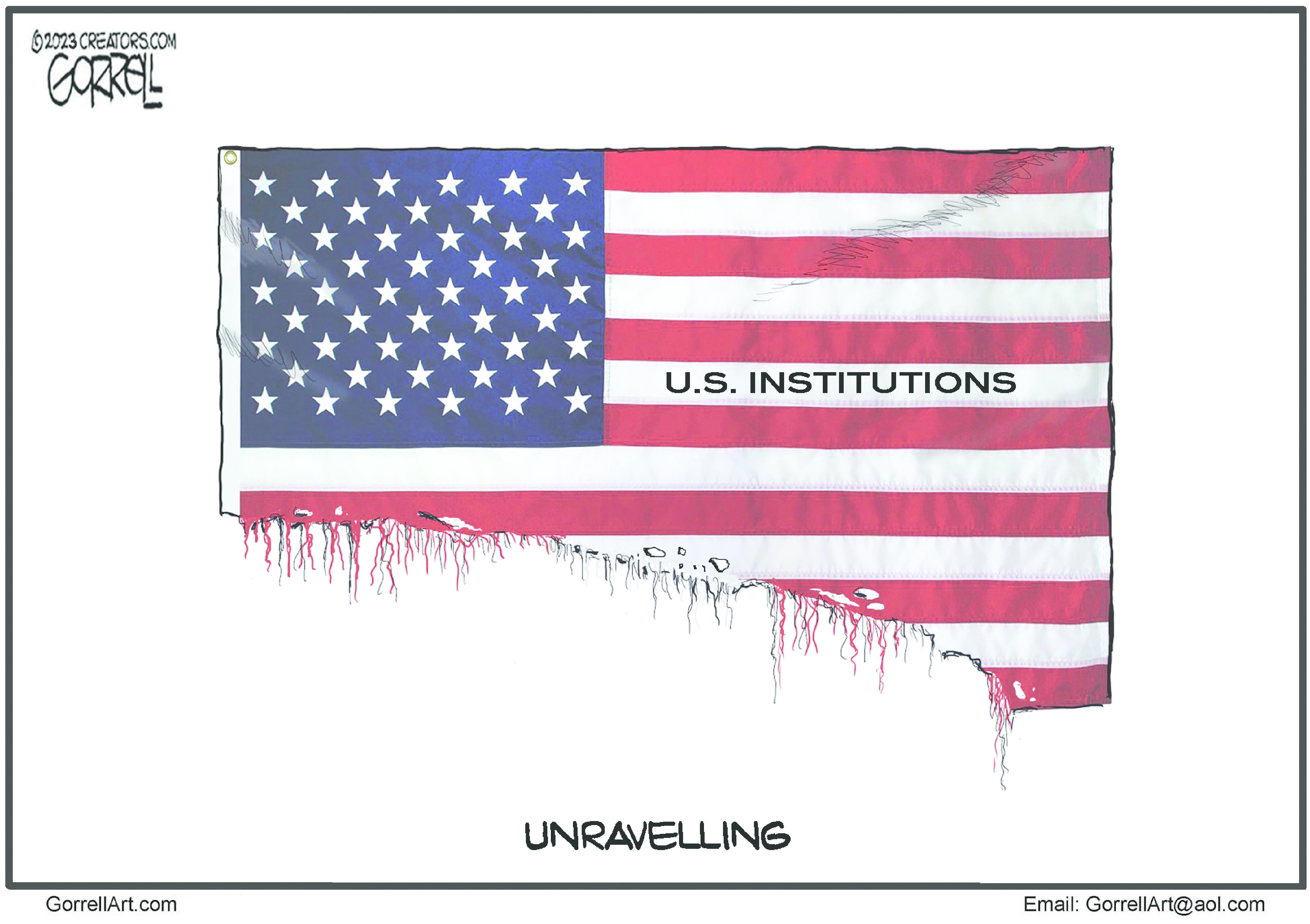
The fatal shooting of a senior judge in Bolivia represents more than an isolated act of criminal violence; it is a terminal metric for the erosion of the state's monopoly on force. When the judiciary—the final arbiter of legal disputes—becomes a soft target, the cost of enforcing the rule of law exceeds the personal safety threshold of its practitioners. This creates a systemic "security deficit" that incentivizes judicial flight, corruption, or total institutional paralysis.
The assassination must be analyzed through the lens of asymmetric risk distribution. In a functioning legal system, the state absorbs the risk of prosecution. In a failing system, the individual judge internalizes that risk, leading to a breakdown in the delivery of justice.
The Triad of Judicial Vulnerability
To understand why a senior judge becomes a target, one must categorize the attack vectors based on the structural weaknesses of the Bolivian legal framework. These vulnerabilities are not accidental but are the byproduct of three specific systemic failures.
1. The Proximity-Exposure Variable
Judicial officials in Bolivia often lack the "security envelope" standard in high-conflict jurisdictions. Unlike the United States or Western Europe, where federal judges are protected by specialized agencies (e.g., the U.S. Marshals Service), Bolivian judges frequently navigate public spaces with minimal to zero tactical support. This creates a high-probability success rate for any kinetic operation launched against them. The cost-to-benefit ratio for a criminal organization is heavily skewed: the "cost" of the hit is low (low-cost firearms, minimal surveillance required), while the "benefit" (removal of a hostile judge or intimidation of the entire bench) is absolute.
2. High-Stakes Case Loading
The victim's docket likely contained cases involving narco-trafficking, land disputes, or political corruption—sectors where the "Value at Risk" (VaR) for the defendant is extreme. When legal outcomes threaten the total seizure of assets or life-term imprisonment, the defendant shifts from a legal defense strategy to an extra-legal elimination strategy. The assassination serves as a veto on the legal process.
3. Institutional Signaling
An attack on a senior member of the bench is a strategic communication tool. It signals to lower-court judges that the state cannot guarantee their survival. This creates a "shadow precedent" where future rulings are influenced not by the penal code, but by the physical safety of the magistrate's family.
The Economic Logic of Judicial Assassination
Violence against the judiciary functions as a market intervention by criminal enterprises. By removing a specific actor, the organization effectively lowers the "regulatory cost" of their illegal activities.
- Enforcement Elasticity: As the physical risk to judges increases, the supply of impartial rulings decreases. Judges who are not killed may become "rationally corrupt," choosing bribe-taking over life-threatening integrity.
- The Impunity Feedback Loop: Every successful assassination that goes unpunished lowers the barrier for the next one. The inability of the Bolivian police to secure a swift conviction in these cases validates the use of violence as a viable business strategy for cartels and gangs.
Structural Bottlenecks in the Bolivian Justice System
The Bolivian judiciary faces a unique set of constraints that distinguish it from its regional neighbors. These bottlenecks exacerbate the impact of high-profile violence.
Judicial Selection and Political Interference
Bolivia's unique system of electing high-court judges by popular vote—a process intended to democratize justice—has instead created a layer of political dependency. When judges are perceived as political actors rather than neutral arbiters, they lose the "civilian shield" provided by public trust. In the event of an assassination, the public may view the event through a partisan lens rather than an institutional one, diluting the collective demand for justice.
Resource Misallocation
The budget for judicial protection is often diverted to administrative overhead or political projects. This leaves the "front-line" workers of the legal system—investigative judges and prosecutors—without the armored vehicles, secure residences, or encrypted communication channels necessary to operate in high-threat environments.
The Mechanism of Deterrence Failure
Deterrence fails when the perceived penalty for killing a government official is lower than the perceived gain. In the Bolivian context, this failure is rooted in investigative insolvency.
The state’s forensic and investigative units often lack the technical capacity to dismantle the sophisticated networks behind such hits. A "trigger puller" may be caught, but the intellectual authors—the financiers and strategists—remain insulated. This creates a decoupling of the crime from its ultimate cause. Without targeting the financial and logistical assets of the sponsoring organization, the state is merely treating the symptom of a much deeper contagion.
Quantifying the Ripple Effects
The impact of a senior judge’s death extends far beyond the immediate loss of life. It triggers a series of measurable degradations in the social and economic fabric of the country.
- Capital Flight: Investors view judicial instability as a primary risk factor. If the state cannot protect its own judges, it certainly cannot protect property rights or contract enforcement.
- Brain Drain: The most qualified legal minds exit the public sector for the private sector or move abroad, leaving the judiciary to be filled by less experienced, more pliable individuals.
- Jurisdictional Contraction: In certain regions of Bolivia, the state effectively cedes territory to non-state actors. If judges cannot safely enter a province, that province is no longer under the sovereignty of the national law.
Strategic Response Requirements
To stabilize the judiciary and restore the state’s authority, a pivot from reactive mourning to proactive structural hardening is required.
- Anonymized Dockets: For high-risk cases involving organized crime, the state must implement "faceless judge" protocols. By masking the identity of the presiding official, the target for assassination is removed. While this raises concerns regarding the right to a transparent defense, the alternative is a system where no judge is willing to hear the case.
- Specialized Protection Commands: Shift judicial security from the general police force to a dedicated, elite unit with independent funding and oversight. This unit must be trained in counter-surveillance and dignitary protection.
- Extraterritorial Cooperation: Given the transnational nature of the criminal organizations likely involved, Bolivia must leverage intelligence-sharing agreements with INTERPOL and neighboring Andean nations to track the financial flows that fund these hits.
The assassination of a senior judge is a flashing red light on the dashboard of Bolivian democracy. It indicates that the legal system has entered a state of "unhedged risk." Unless the state aggressively reasserts its monopoly on force and provides a credible security guarantee to its officers, the judiciary will continue its descent from an independent branch of government into a hollowed-out extension of whichever criminal or political faction holds the most guns.
The immediate priority is not just catching the shooter; it is the fundamental redesign of the judicial security architecture to ensure that the bench is no longer the weakest link in the chain of command.