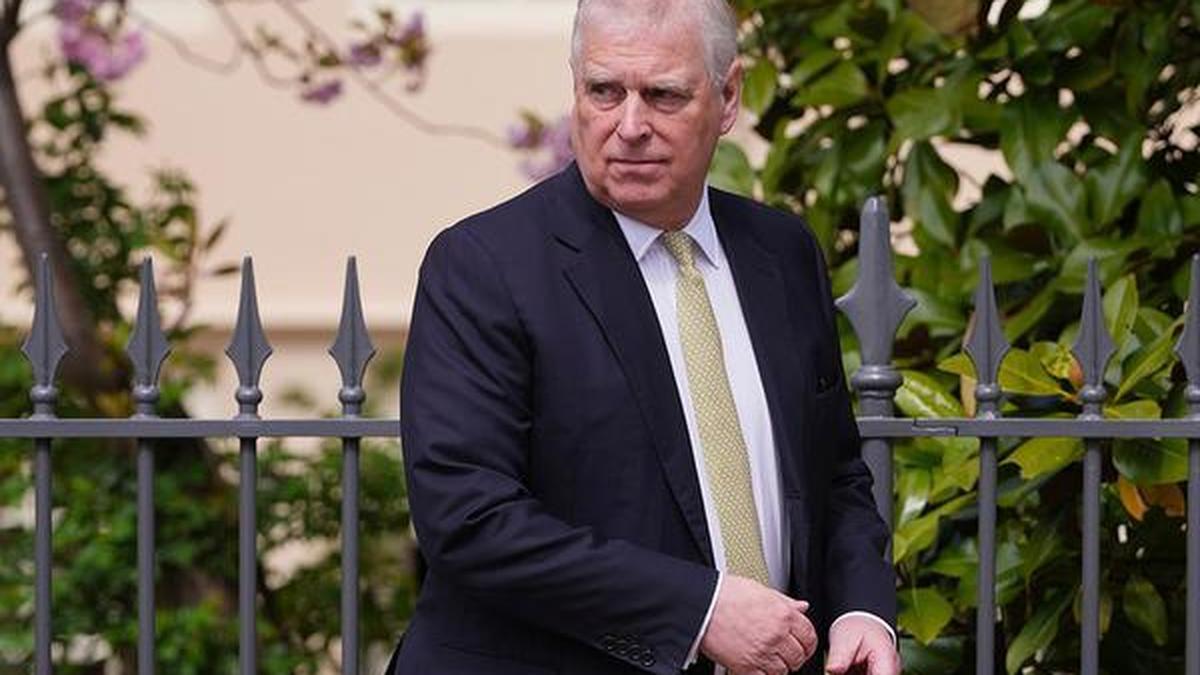
Kerry Needham has launched a GoFundMe campaign to hire a private detective, aiming to break a three-decade stalemate in the search for her missing son, Ben Needham. Ben vanished as a toddler on the Greek island of Kos in 1991. Despite extensive British police excavations and theories pointing to an accidental death involving heavy machinery, no trace of the boy has ever been found. The family’s turn to crowdfunding highlights a glaring failure in international missing persons infrastructure, where grieving relatives are left to finance their own investigations when official channels run cold.
This crowdfunding campaign is more than a mother’s plea. It is an indictment of modern cross-border policing. When a child disappears abroad, families quickly discover that jurisdiction is a wall, not a bridge. British police can support, but they cannot command on foreign soil. Greek authorities hold the keys, but their resources are not infinite, and their attention inevitably moves on. Don't miss our earlier coverage on this related article.
The Anatomy of an Unresolved Disappearance
Ben Needham was just 21 months old when he vanished outside a farmhouse his grandparents were renovating in Iraklis, Kos, on July 24, 1991. The initial response was slow, hampered by a lack of immediate resources and a fundamental misunderstanding of the critical timeline in child abductions. Decades later, South Yorkshire Police secured Home Office funding to launch Operation Ben, an initiative that brought British forensic experts to the island.
In 2016, British investigators shifted the narrative dramatically. They announced a working theory that Ben had died on the day he disappeared, accidentally crushed by a local digger driver who was clearing land near the farmhouse. The driver died of cancer in 2015, just before this theory gained public traction, leaving behind conflicting accounts and a devastated family with no definitive proof. If you want more about the context here, The Washington Post provides an informative breakdown.
Excavations yielded a decomposed toy car and a scrap of fabric, believed to belong to Ben, but DNA testing could not provide an absolute link. The British police concluded that Ben had likely died in an accident, yet the case remains open in Greece. The lack of a body means the family is trapped in a horrific limbo, unable to mourn and unwilling to accept a theory unsupported by physical remains.
The Limits of Official Police Powers
Public perception often assumes that agencies like Interpol or high-profile British police units can operate globally with impunity. The reality is bureaucratic and frustrating.
South Yorkshire Police spent over £1 million on Operation Ben. They sifted through tonnes of soil and interviewed dozens of witnesses. But once the government funding dried up, the active, boots-on-the-ground investigation ceased. British officers cannot simply fly to Greece, interview citizens, and execute search warrants whenever new information surfaces. They require letters rogatory, formal diplomatic requests, and the explicit permission and presence of Greek counterparts.
When official funding stops, the flow of information slows to a trickle. Tips still come in, but there is no dedicated team to vet them. A backlog forms, and potential breakthroughs die on the vine. This is where the private sector becomes the only viable alternative for a desperate family.
The High Risk Private Investigation Gamble
Turning to a private detective is a path fraught with financial and emotional peril. The private intelligence industry is largely unregulated, especially when operating across international borders.
A legitimate international investigator charges thousands of pounds a week, plus expenses. They must navigate local laws, language barriers, and a community that may still be hostile or protective of its own secrets. For every seasoned ex-law enforcement professional who takes these cases, there are dozens of opportunists willing to exploit a family's grief for financial gain.
+------------------------------------------+------------------------------------------+
| Official Police Investigation            | Private Detective Investigation          |
+------------------------------------------+------------------------------------------+
| Bound by strict jurisdictional laws      | Can operate flexibly across borders      |
| Funded by taxpayers, subject to cutoffs   | Funded privately, runs until cash stops  |
| Full access to state forensic databases  | Relies on open source and paid informants|
| Accountable to judicial oversight        | Accountable only to the client           |
+------------------------------------------+------------------------------------------+
Kerry Needham’s decision to raise money publicly is an acknowledgment of this harsh financial reality. She needs professionals who can react instantly to new leads on Kos and mainland Greece without waiting for diplomatic clearance. Yet, relying on public donations means the investigation's survival is tied directly to media relevance. If the news cycle moves on, the funding disappears, and the search stops again.
The Wall of Silence on Kos
The primary obstacle in the Ben Needham case has never been a lack of effort; it has been a lack of truth. Small communities on holiday islands can be notoriously insular. In 1991, Kos was transitioning into a major tourist hub, and the disappearance of a British toddler was seen by some locals as a threat to the island's economic lifeline.
Rumours have circulated for decades. Some locals suggested the child was taken by a Roma community, others pointed to trafficking rings, and later, the digger accident theory emerged. Investigators have long believed that someone on the island knows exactly what happened to Ben that July afternoon.
A private detective operates with a tool that official police do not possess: financial incentives for informants. In deep-rooted cold cases, alliances change, guilt festers, and old loyalties decay. A private investigator backed by a crowdfunded war chest can offer discreet payouts for verifiable information, circumventing the formal, intimidating structure of a police interview room.
The Flawed Reality of Crowdfunded Justice
Crowdfunding justice creates a dangerous precedent where the thoroughness of a criminal investigation depends on a family's ability to market their tragedy.
High-profile cases like Ben Needham or Madeleine McCann capture public imagination and generate hundreds of thousands of pounds. Hundreds of other children disappear abroad without a single headline, their families unable to launch GoFundMe pages because they lack media access. This creates a two-tiered system of justice. The families who can generate press coverage get private resources; those who cannot are left entirely at the mercy of stagnant state bureaucracies.
Furthermore, public campaigns attract conspiracy theorists, grifters, and armchair detectives who muddy the waters with false leads. Sifting through the noise generated by a viral fundraising campaign can waste precious time and resources, distracting from the genuine leads the private detective was hired to find.
The Fractured International Missing Persons Network
The systemic failure lies in how the international community handles long-term missing children. There is no global cold case unit with the authority to step in when local police hit a dead end.
"The pain of not knowing is worse than the pain of grief."
👉 See also: The Man Who Walked Away from the War That Wasn't
This sentiment, shared by many parents of the missing, highlights the psychological torture of the unresolved case. When a state drops the ball, or simply runs out of money, the burden of proof falls back onto the victims. Kerry Needham is forced to act as an investigative coordinator, a public relations manager, and a grieving mother all at once.
The GoFundMe campaign aims to secure a specific, highly recommended international investigator who has experience in the Mediterranean region. This operative will have to re-examine the original 1991 witness statements, track down the descendants of key figures who have since passed away, and look at the physical geography of the Iraklis site, which has changed significantly over thirty-five years.
It is a monumental task. The passage of time destroys physical evidence, degrades memories, and allows perpetrators or witnesses to take secrets to the grave. But for a family that has spent more than three decades waking up to the same unanswered question, the gamble is entirely necessary. The alternative is doing nothing, and leaving Ben's fate to the dust of a Greek island.