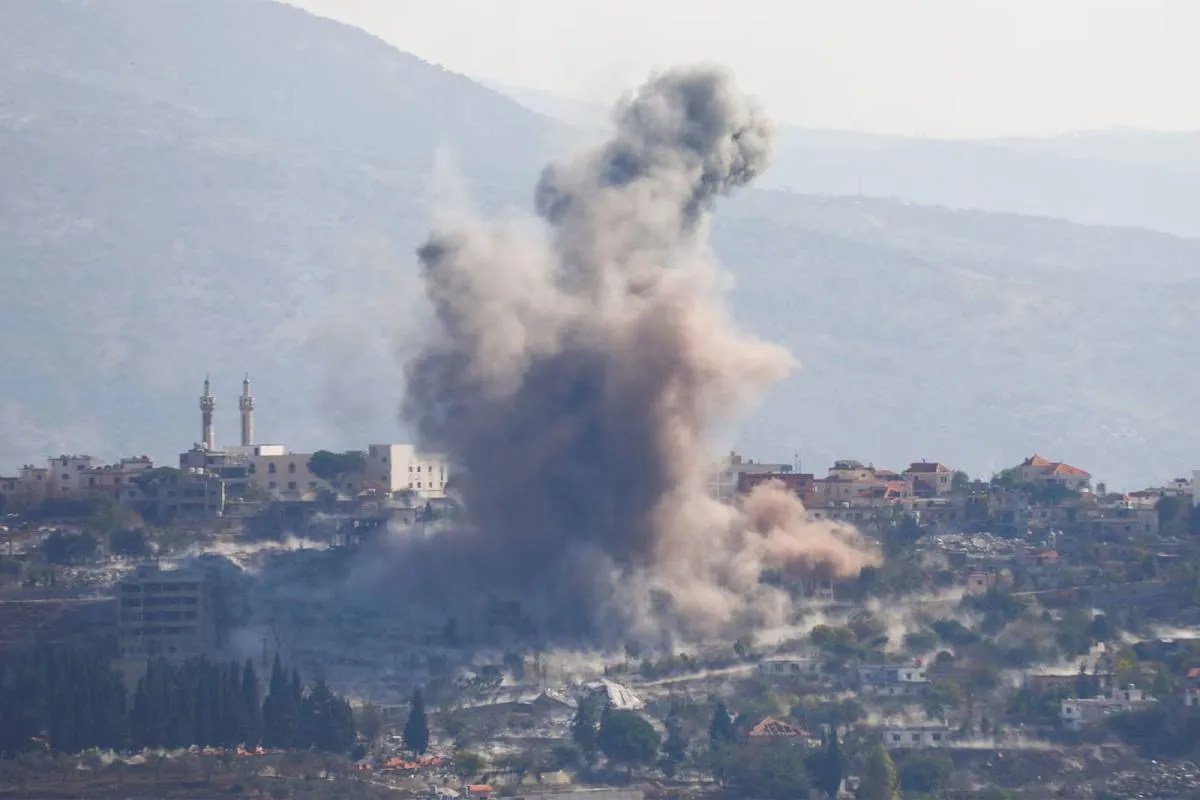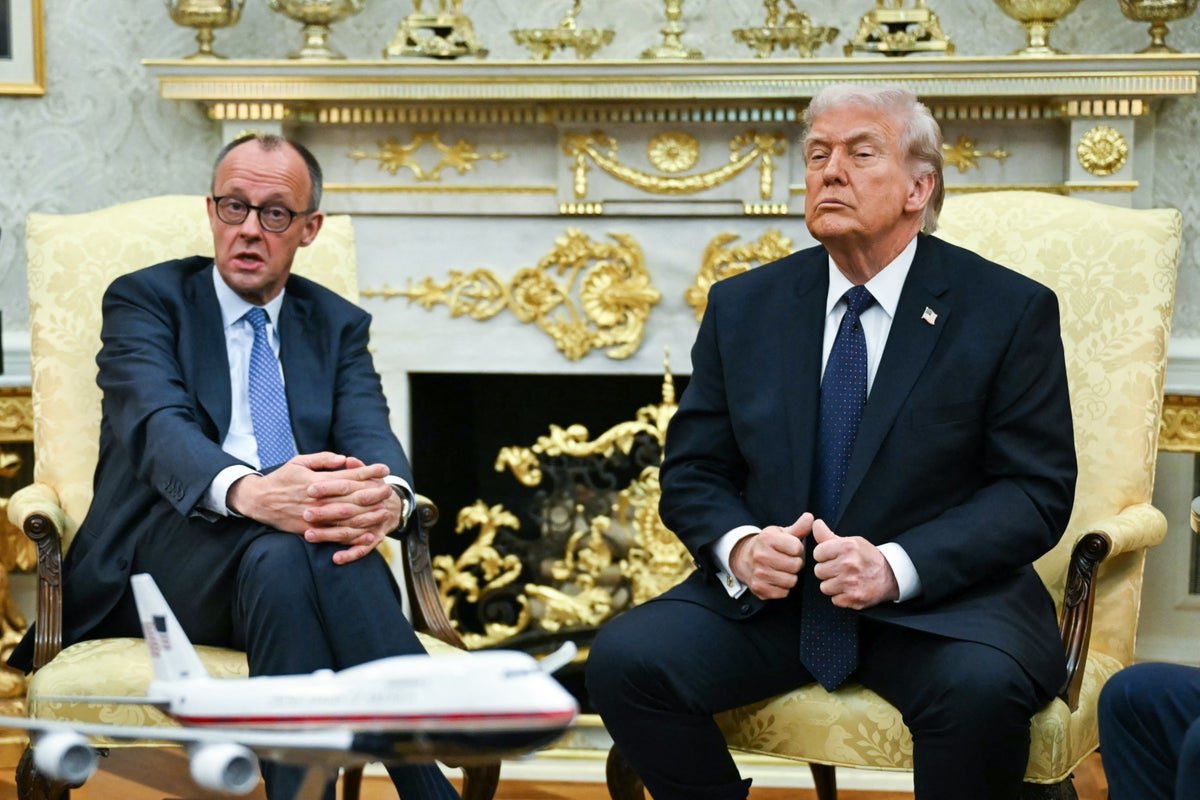
Donald Trump is once again holding the American military presence in Germany over Berlin’s head, this time using a public spat with Chancellor Friedrich Merz as the catalyst. The President announced Wednesday that the United States is officially "studying and reviewing" a reduction of the 35,000 active-duty personnel currently stationed in the country. While the immediate trigger is a disagreement over the ongoing war against Iran, the move signals a deeper, more permanent shift in how Washington intends to use its European basing as a tool of transaction. This is not a simple budgetary dispute. It is a fundamental reassessment of the Atlantic alliance’s utility in a new era of Middle Eastern conflict.
The Humiliation in Islamabad
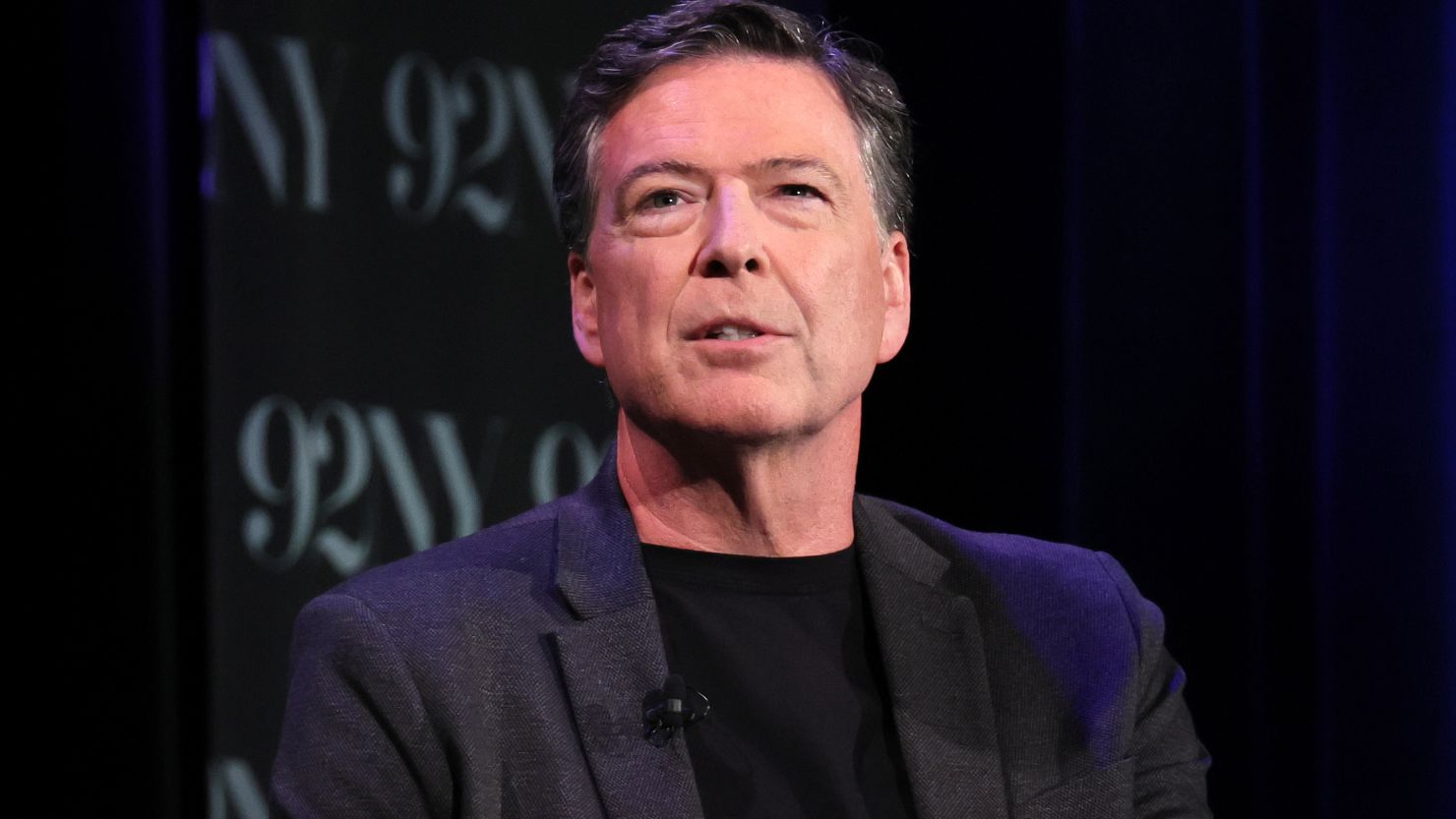
The current friction stems from an unexpectedly blunt critique by Friedrich Merz. On Monday, while addressing students, the German Chancellor suggested that the United States was being "humiliated" by the Iranian leadership, specifically the Revolutionary Guards. Merz pointed to the lack of a clear exit strategy in a war that has already cost the Pentagon an estimated $25 billion and criticized the fruitless diplomatic missions to Islamabad.
Trump’s reaction was swift and characteristic. Taking to Truth Social, he accused Merz of not knowing what he was talking about and claimed the Chancellor "thinks it’s okay for Iran to have a nuclear weapon." The threat to pull troops followed less than 24 hours later. To the casual observer, this looks like a personal grievance. To those watching the gears of the "Department of War"—the Pentagon’s newly proposed moniker—it is the opening salvo of a broader relocation strategy.
Basing as a Punishment
The White House has been quietly drafting plans to reward "cooperative" allies while penalizing those who restrict American operations. Germany, despite its massive presence of U.S. infrastructure, has refused to take a direct combat role in the military campaign against Iran. Defense Minister Boris Pistorius made the German position clear when he stated, "This is not our war."
Washington sees this as a betrayal of the hosting agreement. Spain has already felt the chill after refusing overflight rights for missions connected to the Iran war. Now, the administration is eyeing a move of assets from "unhelpful" NATO members to those with more flexible rules of engagement.
The Strategic Value of Germany
Germany isn't just another parking lot for American tanks. It houses the nerve center of U.S. global reach.
- Ramstein Air Base: The primary logistics hub for the entire Eastern Hemisphere.
- Landstuhl Regional Medical Center: The largest American military hospital outside the U.S., essential for treating casualties from the Middle East.
- EUCOM and AFRICOM: The headquarters for all U.S. operations in Europe and Africa.
Cutting numbers in Germany isn't just about infantry. It's about dismantling the bridge that allows the U.S. to project power into the Middle East and Africa. If Trump follows through, the administrative and logistical cost of moving these facilities to a "friendlier" nation like Poland or Italy would be astronomical.
The 5 Percent GDP Barrier
The timing of this threat is particularly stinging for Merz. The Chancellor has spent much of the last year trying to prove Germany is a reliable partner. Under his leadership, Germany committed to a historic defense spending target of 5% of GDP by 2026—a figure that was once unthinkable in Berlin.
NATO Secretary General Mark Rutte recently praised Merz for this "staggering" commitment. However, for the Trump administration, even record-breaking spending isn't enough if it doesn't come with total operational alignment. The President's message is clear: money buys the seat at the table, but only active participation in U.S.-led conflicts keeps the troops in the country.
The Empty Threat Precedent
Veteran analysts remember 2020. During his first term, Trump ordered the withdrawal of 9,500 troops from Germany for similar reasons—primarily defense spending. That order was eventually stalled by bureaucracy and formally rescinded by the Biden administration in 2021.
The difference in 2026 is the context of an active war. The logistical strain of the Iran conflict means the U.S. actually needs Ramstein more than ever. Yet, the President’s willingness to disrupt his own supply lines to win a rhetorical battle with a European leader shows that the "America First" doctrine has evolved into "Alignment First."
A Geopolitical Shell Game
If the U.S. actually reduces its footprint, the move will likely be a shell game rather than a homecoming. Moving forces to the eastern flank—specifically Poland—serves two purposes. It places troops closer to the Russian threat, satisfying the hawks, and it rewards a government that has been more vocal in its support of Trump’s Middle East policy.
For Merz, the stakes are domestic as much as they are international. If he allows the U.S. to withdraw while Germany is spending 5% of its GDP on defense, he looks weak to a German public already skeptical of the war in Iran. If he caves and joins the military campaign, he risks a total collapse of his coalition.
The American presence in Germany has ceased to be a mutual security guarantee. It is now a high-stakes bargaining chip in a war that Berlin wants no part of. The "review" may be short, but the damage to the foundational trust of the Atlantic alliance is likely permanent.
This video provides the essential context regarding the recent public disagreements between the two leaders that led to the current military review.