The Victimhood Trap
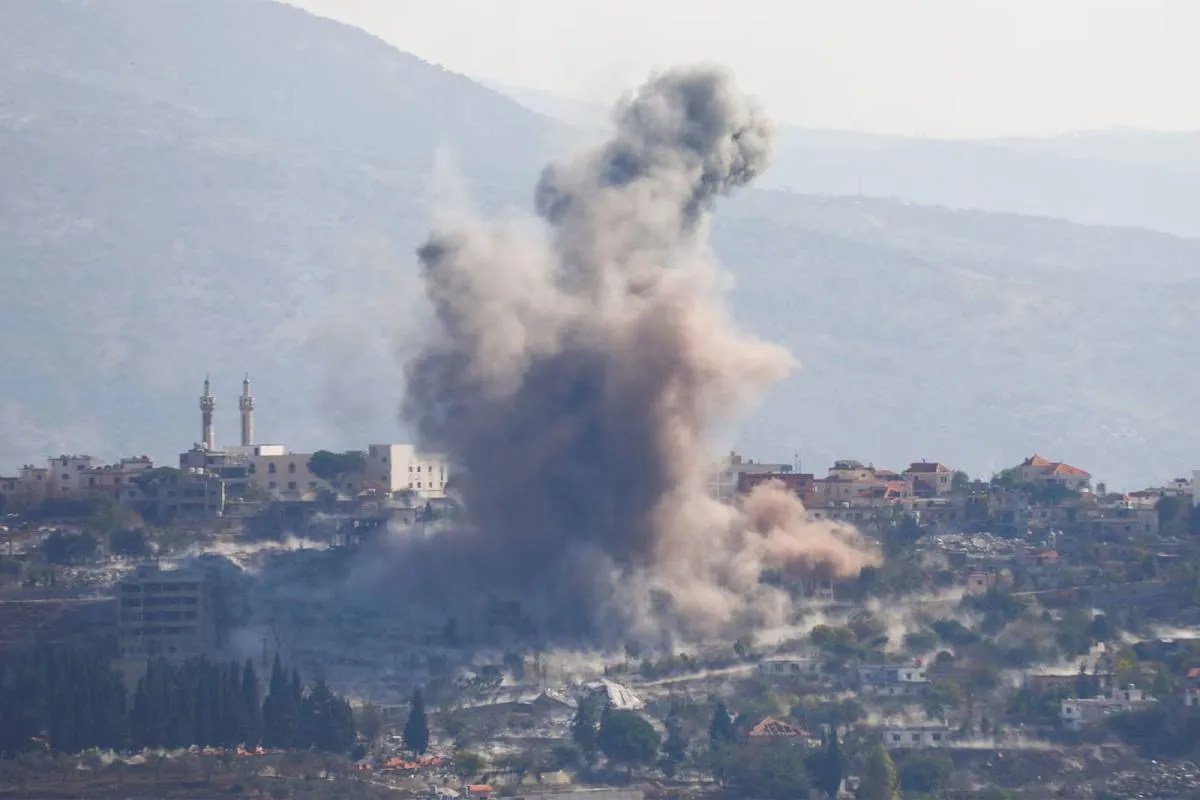
Media outlets love a neat, tragic narrative. They see a missile strike in Beirut and a plummeting Rial in Tehran and immediately connect the dots with a crayon. The headline usually screams about "double blows" or "misery and ruin." This surface-level analysis is not just lazy; it is intentionally misleading. It treats geopolitical shifts like a weather report—unavoidable and purely destructive.
War is not just destruction. It is a violent, accelerated reallocation of capital. When you see the Lebanese economy "shattered" or the Iranian currency "tanking," you are looking at the final stage of a decades-long process of institutional rot and deliberate fiscal mismanagement. The bombs are just the exclamation point at the end of a very long, very boring sentence about bad governance.
Lebanon Is Not Collapsing It Is Being Liquidated
The common consensus suggests that Israeli airstrikes are the primary driver of Lebanon’s current economic despair. That is a lie. Lebanon was a zombie state long before the first drone crossed the border in this current cycle. The Lebanese Lira didn't die because of "war." It died because the central bank ran a regulated Ponzi scheme for thirty years, and the elite class extracted every cent of liquidity before the music stopped.
The current conflict acts as a convenient scapegoat for a political class that has failed to provide basic electricity since the 90s. By focusing on the "double blow" of war and poverty, analysts ignore the fact that the poverty was manufactured.
- The Myth of Ruined Infrastructure: Most of what is being hit in modern precision strikes is tactical. The economic infrastructure of Lebanon—the ports, the banking system, the legal framework—was already gutted by internal corruption.
- The Refugee Narrative: People talk about the displacement as an economic burden. In reality, the Lebanese economy has functioned as a "shadow economy" for years, fueled by remittances and black-market trade. War simply forces the shadow into the light.
If you want to understand the Middle East, stop looking at the craters. Look at the ledgers. The wealth hasn't disappeared; it has moved. It’s in real estate in Paris, bank accounts in Switzerland, and offshore entities in Cyprus. The "corpses on the street" are the human cost of a business model that prioritized militia funding over a functional treasury.
Iran’s Rial The Great Distraction
Every time the Iranian Rial hits a new low against the dollar, the West cheers and the "industry insiders" claim the regime is on the brink. This shows a fundamental misunderstanding of how autocratic command economies function.
A devalued currency is a weapon for a sanctioned state, not just a symptom of failure.
- Export Dominance: A weak Rial makes Iranian petrochemicals and non-oil exports incredibly cheap for regional buyers who don't care about Western sanctions.
- Domestic Control: When the Rial crashes, the middle class loses its savings. A poor middle class is a busy middle class. They are too occupied with finding bread to organize a revolution.
- Fiscal Arbitrage: The state controls the official exchange rate while the "free market" rate fluctuates. This gap is where the Revolutionary Guard makes its money. They import goods at the subsidized rate and sell them at the market rate.
To call the Rial's fall a "collapse" is to assume the Iranian government wants a strong currency. They don't. They want a controlled, volatile environment where they own the only stable assets: oil, minerals, and hardware.
The Regional Hegemony of Realism
While the "contrarian" view might suggest that these countries are simply victims of external aggression, the reality is more brutal. Lebanon and Iran are currently experiencing the "Realism" of 21st-century warfare. In this theater, kinetic energy (bombs) is used to verify what the markets already knew.
If a country's currency cannot survive a week of tension, it wasn't a currency. It was a coupon for a failing store.
Consider the "Resistance Axis" economic model. It is built on the assumption that ideological purity can replace a balance sheet. You cannot buy interceptor missiles with "sovereignty" rhetoric. When the Rial drops, it is the market finally pricing in the risk that the ideological project has no ROI.
The Cost of Proximity
Let’s dismantle the idea that this is a "Middle East" problem. It is a "Mismanagement" problem. Look at the Gulf states. They are in the same neighborhood. They face the same regional tensions. Yet, their currencies are pegged, their sovereign wealth funds are the largest in the world, and they are buying up sports teams and tech companies.
The difference isn't "peace." The difference is the recognition that an economy must be built on something other than a desire to destroy your neighbor.
The Fallacy of the "Reconstruction" Boom
You will soon hear pundits talk about the "reconstruction" of Lebanon once the dust settles. They will tell you that IMF loans and international aid will "rebuild" the nation.
I have seen this movie before. I saw it in 2006. I saw it in the 90s.
"Reconstruction" in a failed state is just another word for "Contractor Enrichment." The money flows into the country, gets skimmed by the same sectarian leaders who allowed the war to happen, and the people are left with a new highway and no money to buy a car.
If you are waiting for a recovery based on humanitarian aid, you are gambling on a fantasy. Real recovery only happens when the underlying "Ponzi" nature of the state is dismantled. Neither the Iranian regime nor the Lebanese parliament has any interest in doing that. It would be professional suicide.
Stop Asking When It Will End
The question isn't "When will the war stop?" or "When will the Rial stabilize?"
The question is: "Why would anyone expect stability from a system designed for chaos?"
The "double blow" narrative suggests these are two separate events hitting a country by surprise. In truth, they are the same event. The war is the physical manifestation of the economic bankruptcy. You fight when you can no longer afford to govern.
Wealth in this region is being consolidated into the hands of those who can survive the volatility. The Rial's "crash" is a transfer of power from the Iranian shopkeeper to the state-aligned oligarch. The "bodies in the streets" of Lebanon are the byproduct of a political class that sold the country's safety for a seat at a table that no longer exists.
If you’re looking for a silver lining, you’re reading the wrong report. This is a liquidation sale. The assets are being stripped, the currency is being burned, and the owners have already left the building.
Stop mourning the "collapse." It happened a decade ago. You're just finally seeing the smoke.
Buy the assets, ignore the rhetoric, and never mistake a planned demolition for an accident.