The decision to pull 5,000 American troops out of Germany is not merely a logistical shift or a routine rotation of forces. It is a calculated diplomatic strike. Donald Trump has signaled a fundamental shift in the Transatlantic alliance, moving from a strategy of collective defense to one of transactional loyalty. This specific drawdown follows a sharp public confrontation with German Chancellor Friedrich Merz, whose recent comments regarding American foreign policy in the Middle East sparked a firestorm in Washington. By linking military presence to verbal fealty, the White House is dismantling decades of established geopolitical norms.
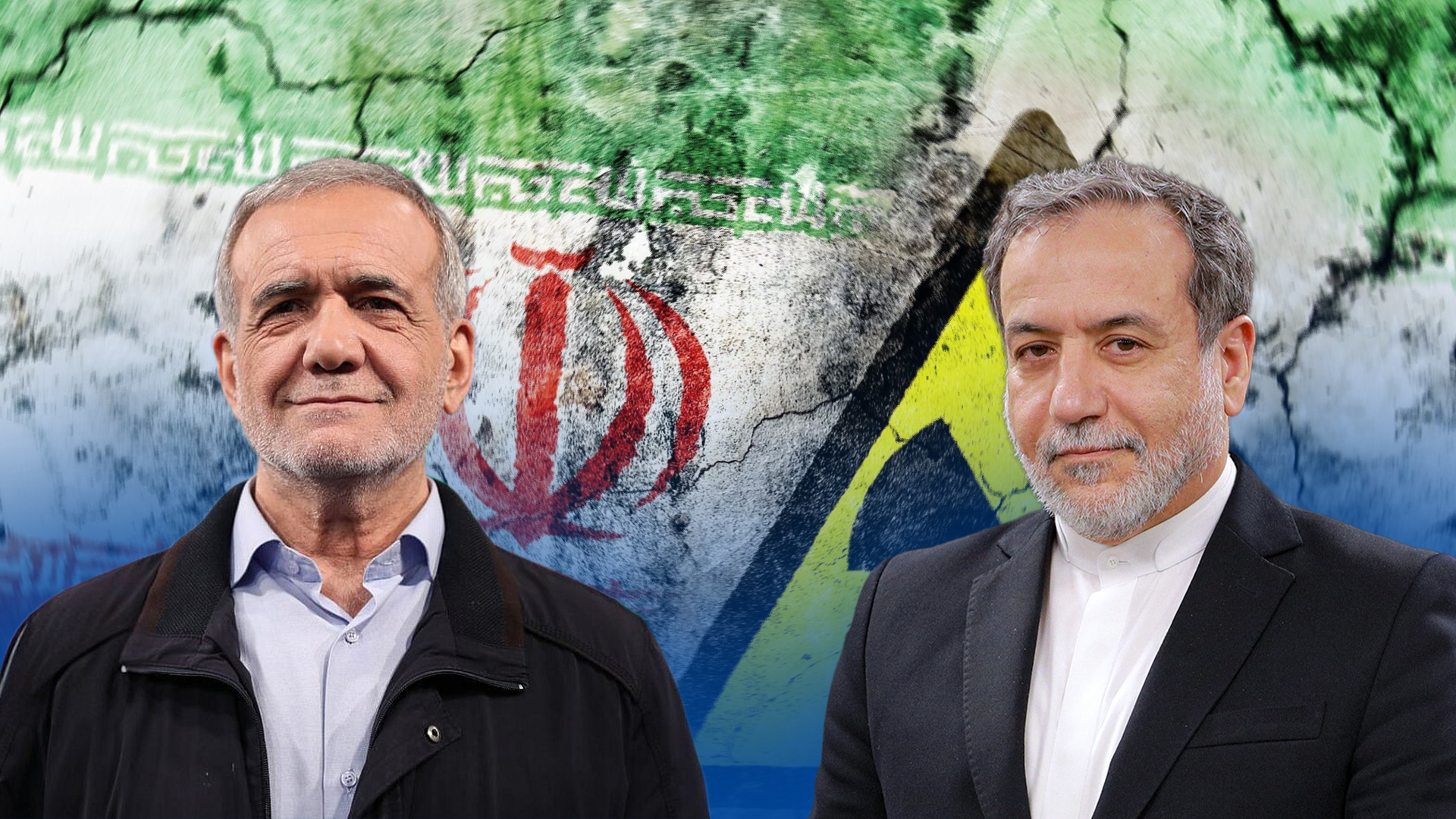
At the heart of the friction is a disagreement over Iran. Merz recently suggested that the United States suffered a "humiliation" on the global stage following recent escalations with Tehran. For an administration that views American prestige as its primary currency, such a remark from a supposedly ironclad ally was viewed as an act of betrayal. The response was swift and physical. Moving 5,000 boots off German soil is the opening salvo in a new era where European security is no longer a given, but a subscription service that can be canceled for bad behavior.
The Cost of Words in a Transactional Era
Security experts have long warned that the U.S.-Germany relationship was fraying, but the speed of this deterioration caught Berlin off guard. Germany has historically relied on the American nuclear umbrella and the physical presence of U.S. forces—specifically at hubs like Ramstein Air Base—to guarantee its position in Europe. When Merz spoke of "humiliation," he likely intended it as a critique of specific policy failures. Washington, however, heard a challenge to its hegemony.
The withdrawal targets the very infrastructure that makes Germany a central player in NATO operations. We aren't just talking about soldiers. We are talking about the secondary economy of base towns, the intelligence-sharing networks, and the psychological deterrent that keeps regional adversaries at bay. To the current U.S. administration, Germany is a wealthy nation that has "freeloaded" on American military spending for too long. This 5,000-troop reduction is the bill finally coming due.
It is a blunt instrument. While the Pentagon often prefers subtle shifts in force posture to avoid spooking allies, the White House has opted for a public exit. This is meant to hurt. It is meant to show the German electorate that their leader's rhetoric has tangible, expensive consequences.
Breaking the 2 Percent Taboo
For years, the sticking point has been the NATO spending target. Most member states agreed to spend at least 2% of their GDP on defense. Germany has consistently struggled to meet this mark, often citing its post-WWII pacifist constitution and the need for social spending. Trump has used this as a recurring grievance, but the Merz row provided the necessary political cover to finally pull the trigger on troop reductions.
Data from the last three fiscal years shows a widening gap between what Washington demands and what Berlin is willing to provide. While Germany has increased its defense budget, the pace is glacial compared to the urgency felt in the Oval Office. The administration views the 2% target not as a goal, but as a prerequisite for friendship. By removing troops, the U.S. is effectively saying that if Germany won't pay for its own defense, the American taxpayer shouldn't either.
Critics argue this move plays directly into the hands of Moscow. A fractured NATO is a weak NATO. If the U.S. can be provoked into withdrawing forces over a verbal spat, then the entire concept of "Article 5" collective defense becomes a variable rather than a constant. This creates a vacuum. In the world of power politics, vacuums are always filled, usually by forces hostile to Western democratic interests.
The Iran Catalyst and Middle East Tensions
The mention of "humiliation" regarding Iran is particularly sensitive because it touches on a raw nerve in American intelligence circles. The U.S. has spent years attempting to isolate Tehran through "maximum pressure" campaigns. Germany, along with other European powers, has often tried to maintain a diplomatic backchannel to keep the 2015 nuclear deal alive in some form.
When Merz publicly labeled the U.S. position as humiliated, he wasn't just commenting on a news cycle. He was taking a side in a deep-seated ideological rift. The White House views the Iranian threat as an existential priority for its Middle Eastern allies. Berlin views it as a regional instability that requires nuance and trade. These two worldviews are currently incompatible.
By withdrawing troops from Germany, Trump is also signaling that the U.S. may be looking to relocate those assets to countries that are more "aligned" with American interests—perhaps Poland or the Baltic states. These nations have shown a willingness to host U.S. troops with fewer strings attached and more vocal support for Washington’s global maneuvers.
Infrastructure and the Logistics of Retreat
Moving 5,000 troops is a nightmare of logistics. It involves relocating families, equipment, and sensitive communications hardware. It isn't a move that happens overnight. The announcement itself is the weapon; the actual movement of the troops is the slow-motion aftermath.
Germany’s role as a "lily pad" for American operations in Africa and the Middle East cannot be overstated. Landstuhl Regional Medical Center, for instance, is the first stop for almost every wounded American soldier coming out of a combat zone in the East. If the troop withdrawal expands to include medical and logistical support staff, the U.S. military’s ability to project power globally will be significantly hindered.
There is a irony here. In an attempt to punish an ally for a lack of respect, the U.S. might be undermining its own operational readiness. The administration seems to believe that the "America First" doctrine outweighs the tactical benefits of these German bases. It is a high-stakes gamble that assumes the U.S. can operate effectively from domestic soil or through more compliant, yet less developed, overseas hubs.
The Domestic Fallout for Merz
Friedrich Merz now faces a political crisis at home. His detractors in the Bundestag are already pointing to the troop withdrawal as evidence of his failed diplomacy. The German public is divided. Many younger Germans feel that the U.S. presence is a relic of the Cold War and would welcome a more independent European defense identity. However, the business community and the older generation see the U.S. military presence as a vital pillar of stability.
Merz's gamble was that he could criticize the U.S. to appeal to a European sense of sovereignty without facing real-world blowback. He was wrong. He underestimated the degree to which the current U.S. administration is willing to weaponize its military footprints to achieve political compliance.
If Merz doubles down, the withdrawal could grow from 5,000 to 10,000 or more. If he backtracks, he looks weak to his own voters and the rest of the European Union. It is a classic "lose-lose" scenario manufactured by a White House that excels at forcing allies into impossible positions.
A New Map of Europe
We are witnessing the redrawing of the security map. The post-1945 order was built on the idea that an attack on one is an attack on all, regardless of whether leaders liked each other. That era is over. We are entering an age of "Ad Hoc Alliances," where military support is negotiated on a case-by-case basis.
This isn't just about Germany. Every NATO member is now looking at their own defense spending and their own public statements through a new lens. The message from Washington is clear: praise us, pay us, or protect yourselves.
Poland has already expressed interest in "Fort Trump," a permanent U.S. base on its soil. By moving troops out of Germany, the U.S. creates the inventory necessary to reward more loyal partners in Eastern Europe. This shifts the center of gravity of European defense further East, closer to the Russian border, and away from the traditional heart of the EU in Berlin and Paris.
The Intelligence Gap
One of the most overlooked aspects of this withdrawal is the impact on intelligence. The U.S. facilities in Germany are some of the most sophisticated listening posts in the world. They monitor communications across Eurasia. A troop withdrawal often precedes a reduction in intelligence-sharing. If the U.S. begins to pull back its technical experts and analysts along with the combat troops, Germany will find itself "blind" in several key areas of national security.
The Germans have their own capable intelligence service, the BND, but it relies heavily on the "big data" provided by American partners. Without that flow of information, Germany’s ability to track domestic terror threats or foreign espionage will be compromised. This is the hidden cost of the Merz-Trump row—a cost that will be paid in security, not just euros.
The Abandonment of Soft Power
For decades, the presence of American troops in Germany was the ultimate "soft power" tool. It created cultural ties, shared interests, and a sense of unified purpose. When those soldiers leave, they take that influence with them. The U.S. is trading long-term influence for short-term political satisfaction.
By treating the military as a tool of spite, the administration risks turning allies into "frenemies." Germany will likely respond by deepening its ties with other European nations, perhaps even exploring a more robust defense partnership with France that excludes the U.S. entirely. While this "Strategic Autonomy" is a dream for some in Brussels, it marks the end of the American Century in Europe.
The 5,000 troops are the tip of the spear. What follows will be a reconfiguration of how the West defends its values—if those values are even shared anymore.
Germany must now decide if it will satisfy the 2% requirement and temper its rhetoric, or if it will finally step out from the shadow of its protector and build a military capable of standing alone. The time for middle-ground diplomacy has evaporated. The U.S. has made its move; the next step belongs entirely to Berlin.
Prepare for a Europe that no longer looks to Washington for permission, because Washington is no longer offering protection for free.
Strategic Takeaways for the Defense Sector
- Relocation Opportunities: Defense contractors should look toward Poland and the Baltic states, as infrastructure projects in these regions will likely receive a boost from redirected U.S. funding.
- European Defense Autonomy: Expect a surge in "Made in Europe" defense procurement as Germany and France realize they can no longer rely on American hardware with political strings attached.
- Political Risk: Any public critique of U.S. foreign policy by an allied leader now carries a direct "security surcharge" that must be factored into national budgets.
The alliance is not dead, but it is no longer a brotherhood. It is a contract. Read the fine print.