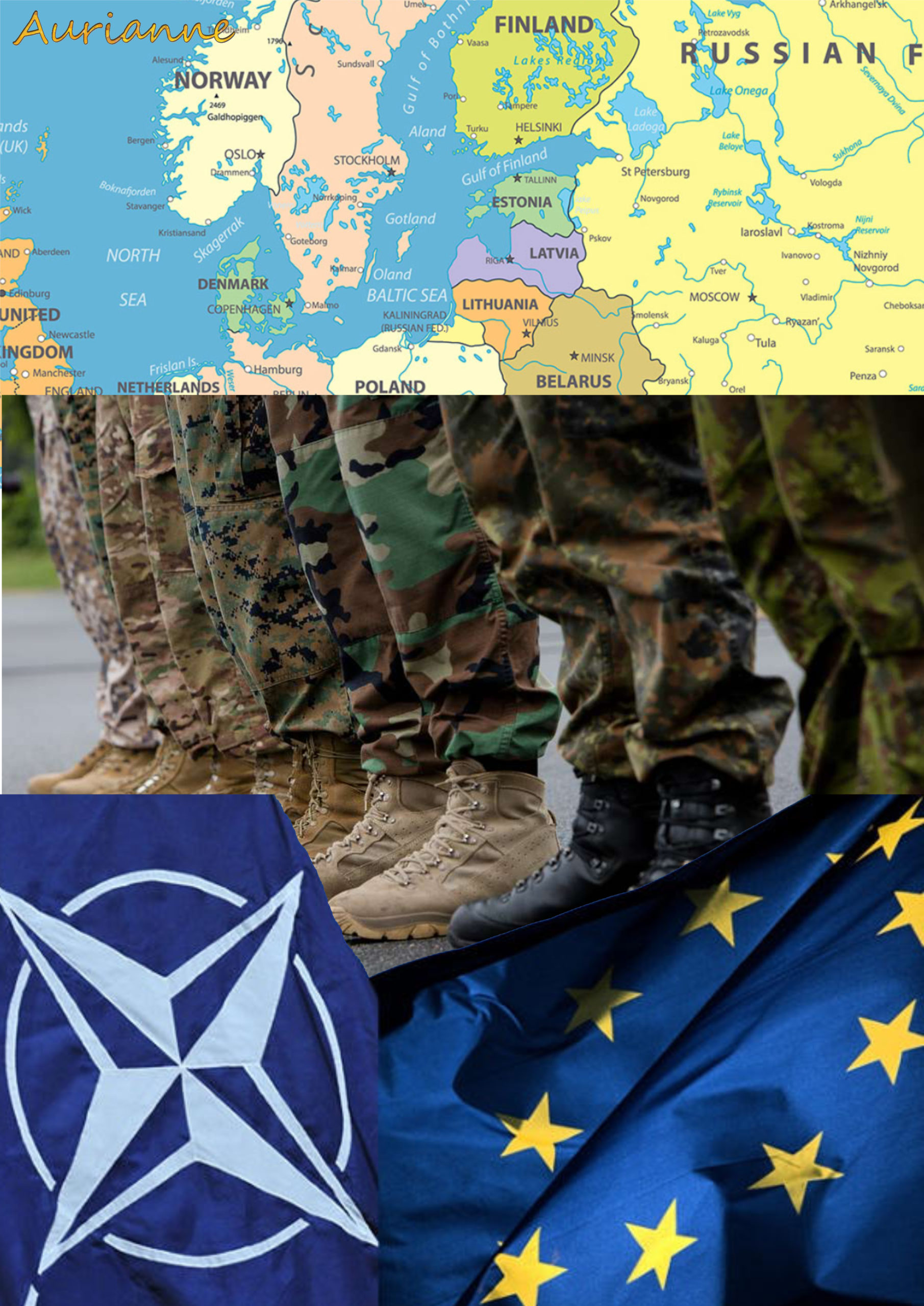
The hand-wringing in Berlin and Brussels is reaching a fever pitch. Washington moves a few thousand troops, adjusts its global footprint, and suddenly the European political class acts like the sky is falling. They call for "stronger European defense" with the same ritualistic desperation of a tenant realizing their landlord finally stopped paying the water bill.
The conventional narrative is lazy. It suggests that US troop reductions are a "threat" to security that must be "countered" by more bureaucracy. This is wrong. The real threat isn't the absence of American boots; it's the catastrophic dependence that has turned European militaries into hollowed-out museum pieces.
Germany’s sudden urge for a unified defense strategy isn't a sign of growing strength. It is a confession of sixty years of strategic atrophy.
The Myth of the Security Vacuum
For decades, the "lazy consensus" among analysts has been that American withdrawal creates a vacuum that Russia or other actors will inevitably fill. This assumes Europe is a helpless bystander.
Let’s look at the numbers the Atlanticists hate to mention. The combined GDP of the European Union is roughly $17 trillion. Russia’s GDP, even with its war-footing adjustments, struggles to compete with individual states like Italy or Brazil. Europe doesn't have a resource problem. It doesn't have a technology problem. It has a "free-rider" problem that has metastasized into a total loss of agency.
When US troops leave, they aren't leaving a hole. They are removing a crutch. You don't learn to walk by keeping the crutch forever. You learn by falling over and realizing no one is coming to pick you up.
Strategic Autonomy is a Marketing Slogan
Brussels loves the term "strategic autonomy." It sounds sophisticated. It plays well in French policy papers. But in practice, it has been nothing more than a cover for avoiding hard choices.
True autonomy requires three things Europe currently lacks:
- Integrated Command: Not a committee of 27 people arguing over rules of engagement while a city burns.
- A Functional Industrial Base: Stop building five different types of tanks and three different fighter jets just to satisfy local labor unions.
- Political Will: The readiness to spend money on shells instead of subsidies.
I have seen defense contractors burn through billions in "collaborative" projects that result in hardware that can't even talk to each other. The Eurofighter program was a masterclass in how to spend twenty years making a plane that was obsolete by the time it hit the tarmac because every participating nation wanted a different wing shape to protect their local factory jobs.
If Germany is serious about defense, it needs to stop talking about "European" solutions and start fixing its own procurement disaster. The Bundeswehr is currently a bureaucratic entity that occasionally manages to keep a helicopter in the air. Adding a "European" layer of red tape on top of that won't fix the flight readiness stats.
The Industrial Complex of Failure
The competitor's view suggests that US troop movements are a "geopolitical shift." I call it a market correction.
The US has subsidized European social safety nets for over half a century by picking up the tab for the continent's security. This allowed European nations to underfund their militaries while lecturing the rest of the world on "soft power."
Soft power is a luxury of the protected.
The current panic in Berlin is actually a panic about the end of this subsidy. When the US reduces its presence, it forces European taxpayers to face the reality of what security actually costs.
The Math of Modern Warfare
In modern attrition warfare, the side with the most steel wins. Europe’s current "just-in-time" military model is designed for short-term peacekeeping missions in North Africa, not high-intensity conflict.
Imagine a scenario where a major power cuts off the undersea cables or the gas pipelines in the North Sea. Under the current "stronger European defense" talk, the response would be three months of summits and a strongly worded memo.
To actually defend itself, Europe needs to adopt a War Economy Mindset.
- Standardization: Mandate a single caliber, a single drone platform, and a single encryption standard.
- De-bureaucratization: Allow defense firms to fail. If a French tank is better than a German one, buy the French one. Stop the "fair share" work-split insanity.
- Nuclear Reality: If the US umbrella folds, the conversation about a European nuclear deterrent—led by France—needs to happen yesterday.
The Dangerous Allure of the Status Quo
People also ask: "Can Europe defend itself without the US?"
The answer is a brutal "No, but it chooses not to."
The infrastructure is there. The engineers are there. The money is there. What's missing is the realization that the US is pivotally focused on the Pacific. The "Atlantic Century" ended a decade ago, but European leaders are still checking their mail for a letter from 1955.
The US troop reduction isn't a betrayal; it’s a wake-up call that Europe has snoozed through three times already. Every time a US president suggests moving troops, Europe promises to "step up." Then, as soon as the pressure drops, they go back to arguing about the curvature of cucumbers and carbon credits.
Stop Asking for Permission
The most counter-intuitive reality is this: Europe would be safer if the US withdrew faster.
A slow withdrawal allows for the continuation of the "security theater" we see now. A fast withdrawal forces immediate, painful, and necessary consolidation. It ends the fantasy that someone else will always be there to provide the heavy lift capacity, the satellite intelligence, and the logistical backbone.
If you are a business leader or a policy maker, the move isn't to lobby Washington to stay. The move is to hedge against the inevitable. Invest in domestic defense tech that doesn't rely on American components. Build the supply chains that function when the Atlantic is no longer a guaranteed bridge.
The era of the American protectorate is over. Germany and its neighbors can either become adult nations or remains as well-manicured vassals waiting for a rescue that isn't coming.
The "stronger European defense" everyone talks about won't be built in a summit. It will be built in the cold realization that the cavalry has left the building.
Build your own walls. Or get used to the draft.