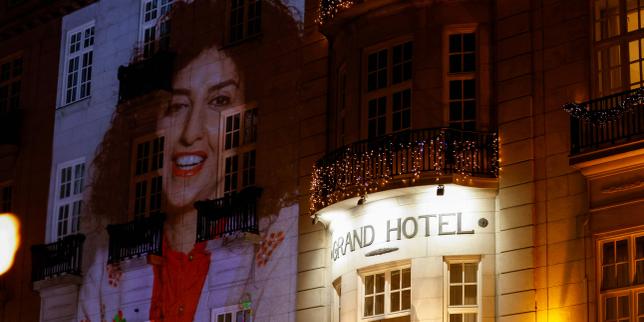
Narges Mohammadi is dying in an Iranian prison while the world watches through a screen. That isn't hyperbole. It's the current, grim reality for the 2023 Nobel Peace Prize laureate. After months of her family and supporters screaming into the void about her failing health, the Iranian authorities finally moved her to a hospital. But don't mistake this for a gesture of mercy. It's a desperate, late-stage response to what her family calls a "catastrophic" decline in her physical condition.
The news broke because her family and the "Free Narges" campaign refused to stay quiet. They've been documenting every missed heartbeat and every denied medical request for over a year. If you've been following the situation in Evin Prison, you know this isn't just about one woman. It's about a regime trying to silence the most prominent voice of the "Woman, Life, Freedom" movement by letting her body break down behind bars.
The Cost of Staying Defiant Behind Bars
Mohammadi didn't just end up in a hospital bed by accident. Her health issues are a direct result of the conditions inside Evin and the repeated denial of specialized care. We're talking about a woman who has already undergone heart surgery and suffers from chronic lung issues. For months, she was denied a simple transfer to a facility that could actually treat her.
Why? Because she refused to wear a mandatory headscarf for medical visits.
Think about the sheer willpower it takes to stare down a prison warden while your chest is tightening and say "no." She chose her principles over her immediate physical safety. That's the kind of grit we're dealing with. The "catastrophic" deterioration her family mentions includes complex cardiovascular problems and bone marrow issues that simply can't be managed in a prison infirmary. The Iranian government uses medical neglect as a silent executioner. It's cleaner than a gallows and easier to deny on the international stage.
International Pressure Actually Works Sometimes
If you think petitions and Nobel prizes are just symbolic, look at the timing of this hospitalization. The pressure on the Islamic Republic has been mounting. The Nobel Committee and human rights groups like Amnesty International haven't stopped dragging this into the spotlight.
Iran hates bad press when they're trying to manage delicate diplomatic ties or internal unrest. When a Nobel laureate dies in custody, it creates a martyr that a regime already on edge cannot afford. The transfer to a hospital is a direct result of global noise. It shows that the regime isn't an immovable object. They're sensitive to their image, even if they pretend they aren't.
However, being in a hospital doesn't mean she's safe. In many cases, Iranian political prisoners are "stabilized" just enough to be tossed back into a cell. It's a revolving door of medical trauma. We've seen it with other activists. They get just enough treatment to keep their hearts beating, but never enough to actually recover.
What the Media Misses About the Struggle in Iran
Most news outlets focus on the Nobel Prize as if it's a shield. It's not. For Mohammadi, it's a target. Since winning the award in 2023, her situation has actually become more precarious. She's been handed additional sentences for "spreading propaganda" while already serving a 13-year term.
The Iranian judicial system isn't looking for justice; they're looking for submission. Every time Mohammadi sends a letter out of prison or supports a hunger strike, they add time. They want to ensure she never walks out.
The real story here is the network of women inside Evin who continue to protest despite the beatings and the solitary confinement. Mohammadi is their leader, but she's also their shield. When she suffers, the world notices, which provides a tiny bit of protection for the names we don't know. Her hospitalization is a moment of extreme vulnerability for the movement. If the regime can break the Nobel laureate, they believe they can break anyone.
Moving Beyond Simple Awareness
Watching from a distance feels useless, but it isn't. The only reason Mohammadi is in a hospital right now is that the cost of keeping her in a cell became too high for the Iranian authorities.
You can't personally storm Evin Prison, but you can keep the cost of her detention high. Publicizing the names of the judges and officials responsible for denying her care matters. Supporting organizations like Front Line Defenders or the Center for Human Rights in Iran provides the legal and advocacy infrastructure needed to keep these cases alive.
Demand that your local representatives don't treat Iranian human rights as a "side issue" in diplomatic talks. It's the central issue. The physical state of Narges Mohammadi is the most honest barometer of the Iranian state's intentions. If she isn't safe, nobody in the Iranian civil society is safe.
Stop waiting for a "proper time" to speak up. Share her story. Mention the fact that she hasn't seen her children in years. Remind people that she's a mother, a physicist, and a journalist who is being slowly killed for believing in basic dignity.
Check the updates from the official Free Narges website regularly. Use your platform to tag the UN High Commissioner for Human Rights. Don't let the news cycle bury this. The regime is betting on you getting bored and moving on to the next headline. Prove them wrong.


