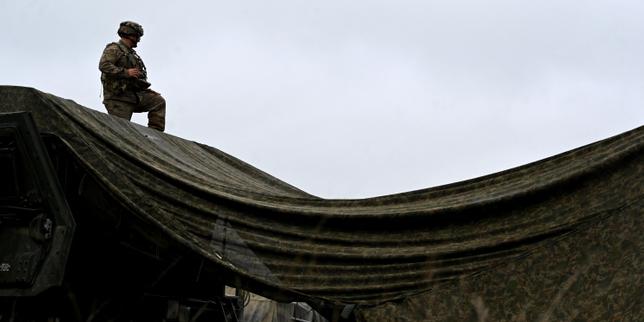
Donald Trump is actually doing it. After weeks of social media threats and public feuds with German Chancellor Friedrich Merz, the Pentagon confirmed Friday that 5,000 U.S. troops are heading out of Germany. It’s not just a minor logistics shuffle. It’s a massive middle finger to the old way of doing business in Europe.
If you’re looking for the "why" behind this, you don't have to look far. The immediate trigger was Merz’s vocal criticism of how the U.S. is handling the war in Iran. Trump doesn't take criticism well, especially from allies he already thinks are "delinquent." By pulling a full brigade combat team and a long-range fires battalion, Washington is telling Berlin that American protection isn't a permanent entitlement—it’s a subscription service that can be canceled if the vibes go south.
The end of the blank check
For decades, Germany has been the ultimate hub for U.S. power in Europe. We’re talking about roughly 35,000 to 40,000 troops stationed at massive bases like Ramstein and Grafenwöhr. These aren't just barracks; they're the nervous system for American operations across Africa and the Middle East.
But Trump’s "America First" logic is transactional. He’s been complaining about the 2% NATO defense spending target since his first term. While Germany has bumped its spending since the 2022 invasion of Ukraine, it’s still not enough for a White House that views military presence as a bargaining chip. Honestly, the 5,000 soldiers leaving might not break NATO’s back tomorrow, but the message is loud: the U.S. is done being the default security provider for countries that publicly question its foreign policy.
Why Friedrich Merz and Trump are at each other's throats
The relationship between Berlin and Washington is at its lowest point in years. Friedrich Merz isn't Angela Merkel; he’s more assertive, but he’s also stepped into a minefield with the current U.S. administration. When Merz suggested that Iranian negotiators had "humiliated" the White House, he basically invited this retaliation.
Trump’s move is a classic power play. By pulling troops, he’s forcing Merz to explain to the German public why their security is suddenly thinner. It also puts pressure on the German economy. Those bases bring in millions of Euros to local towns in states like Rhineland-Palatinate and Bavaria. When 5,000 soldiers and their families leave, the local bakery, the landlord, and the car dealership all feel the hit.
Europe is finally on its own
Let’s be real—this was always going to happen. Whether it was Trump or another president, the U.S. has been trying to "pivot to Asia" for a decade. The war in Iran has only accelerated the desire to stop babysitting European borders.
NATO is putting on a brave face, saying they’re "working with the U.S. to understand the details," but the panic is visible. If 5,000 can leave today, what stops another 10,000 from leaving after the next disagreement? Poland and the Baltic states are already shaking. They rely on the U.S. presence in Germany as a logistics tail for their own defense. If that tail gets cut, the whole Eastern Flank gets twitchy.
The numbers that actually matter
To understand the scale, you have to look at the force posture shifts since 2022. After Russia invaded Ukraine, the Biden administration surged troops into Europe, bringing the total to well over 75,000. This withdrawal of 5,000 is the first major reversal of that surge.
- Current US Troops in Germany: ~35,000
- Number being withdrawn: 5,000 (roughly 14%)
- Timeline: 6 to 12 months
- Targeted Units: One Army brigade combat team and a long-range fires battalion.
This isn't just "moving" troops to Poland or Italy—at least not all of them. A good chunk of these soldiers are likely headed back to the States. That’s a net loss of boots on the ground in Europe.
What happens next
If you're a business leader or a policy wonk, stop waiting for the "old normal" to return. It’s gone. This withdrawal is a signal that European defense must become European-led. Germany's Defense Minister Boris Pistorius already said the move was "anticipated" and that Europe needs to strengthen its own pillar within NATO.
Here is what you should expect in the coming months:
- German Defense Hike: Expect Berlin to announce even more military spending to fill the gaps left by the U.S.
- Congressional Pushback: Look for Republican and Democratic hawks in the U.S. Senate to try and block this. They’ve passed laws before to stop troop drawdowns below certain levels (like 76,000 in Europe).
- The Poland Shift: Watch if Trump tries to move some of these assets to Poland, which has been much more "loyal" to his administration’s rhetoric.
The era of the U.S. as the "policeman of Europe" is ending. Whether that makes the world safer or more chaotic depends entirely on how fast Berlin and Paris can stop arguing and start building a real military force. Don't expect a U-turn on this decision; start preparing for a Europe that has to provide its own muscle.


