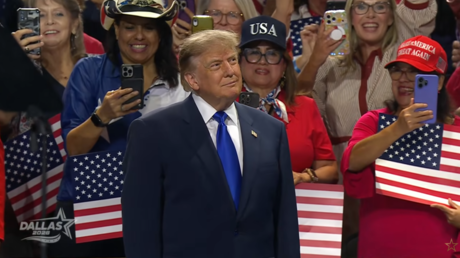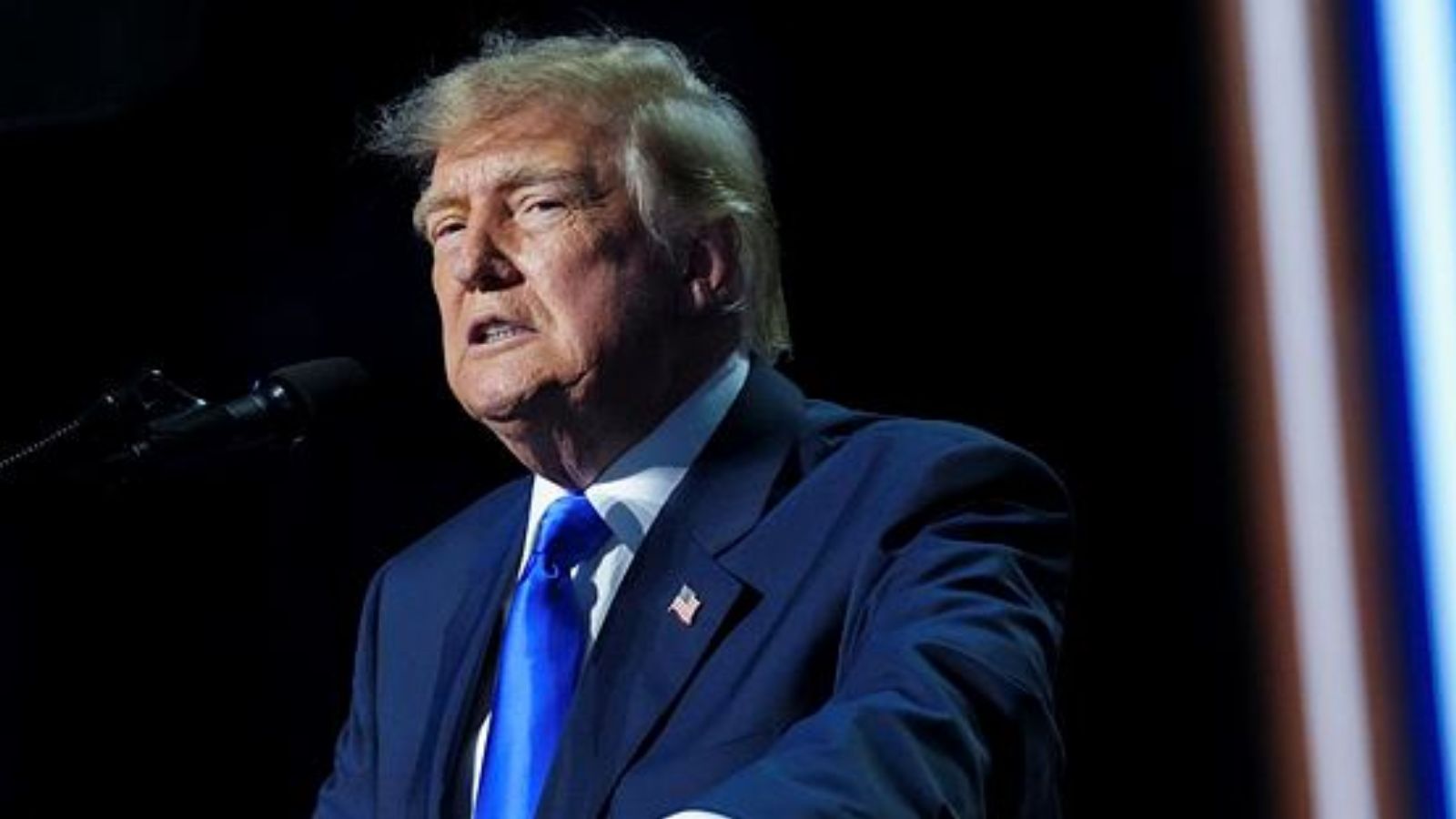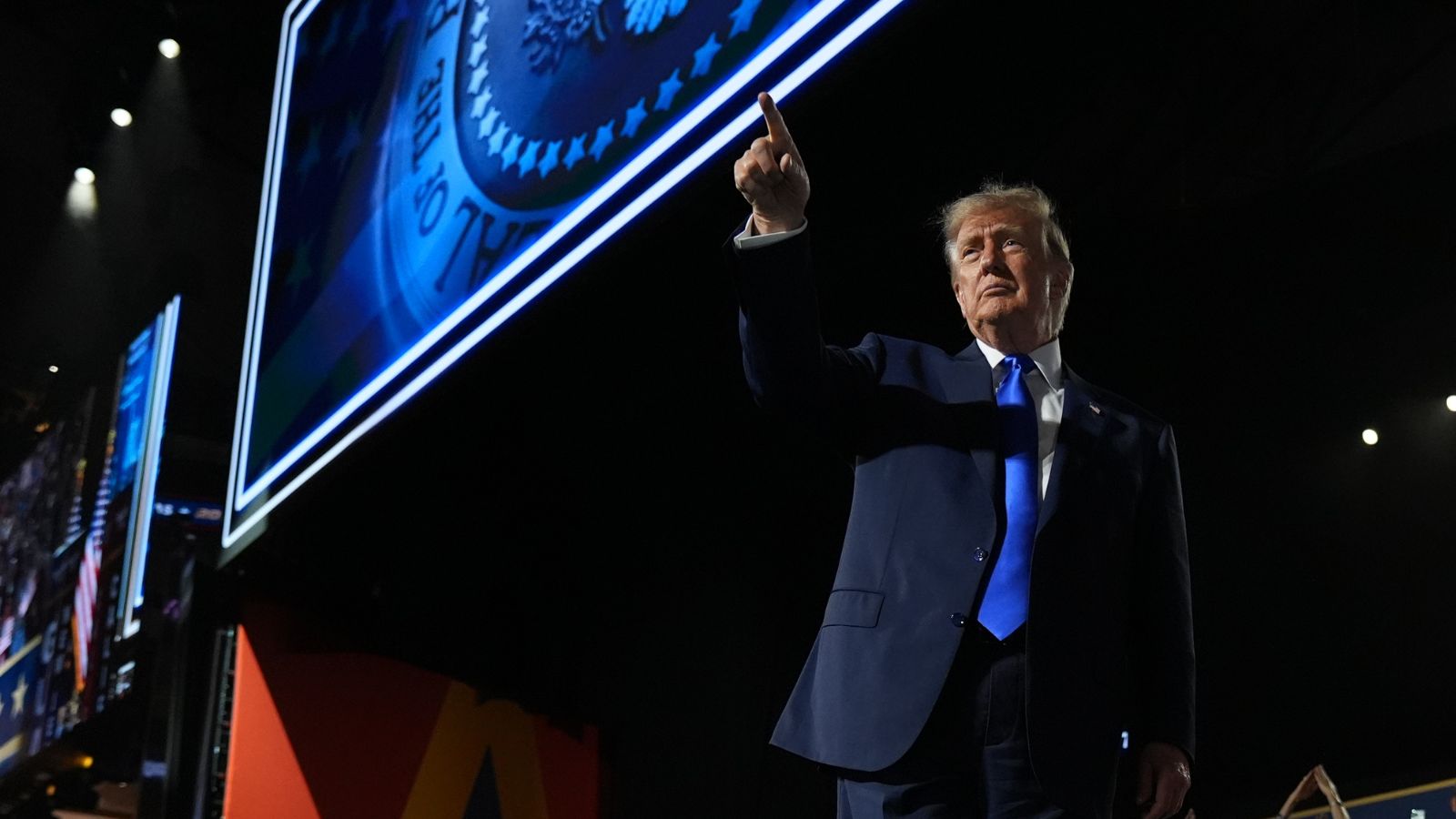
Donald Trump just dropped a massive timeline for the ongoing military conflict with Iran. While speaking to reporters before heading to Dallas for the Republican midterm convention, he claimed the war will wrap up immediately after the November ballots are cast. Why? Because he believes Tehran simply cannot sustain the financial or physical pressure much longer.
It is a bold prediction that clashes sharply with internal warnings from White House advisers who fear the conflict could drag on for years. But Trump is looking at the electoral map and seeing a direct foreign push behind domestic politics.
According to the White House, Iran is actively attempting to meddle in the upcoming U.S. midterm elections. Trump argued that Tehran is holding out and escalating maritime tensions in the hope that voters will flip control of Congress. The core accusation is straightforward: Iran wants a weaker political landscape in Washington that might ease economic pressure and let them pursue nuclear capabilities unchecked.
"They're desperate to try and affect the election," Trump told reporters, pointing to high inflation, a shattered currency, and mounting military costs plaguing the Iranian state.
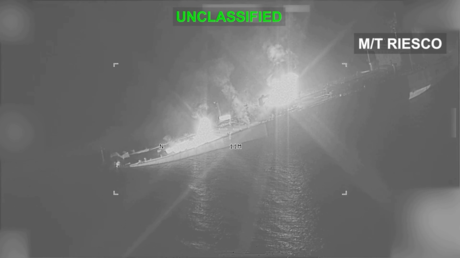
The timing lines up with severe flare-ups in the Persian Gulf. Recent naval clashes around the Strait of Hormuz have pushed oil prices back past one hundred dollars a barrel. The Iranian Revolutionary Guard Corps has targeted multiple commercial and military vessels, prompting aggressive U.S. counter-strikes that have already incapacitated several Iranian oil tankers. Secretary of State Marco Rubio doubled down on this strategy, emphasizing that the U.S. intends to completely strangle the Iranian economy rather than rush into new diplomatic talks.
Public sentiment back home is complicated. Polling data shows that domestic support for the military campaign has dipped significantly since the conflict began, leaving voters deeply anxious about inflation, energy costs, and the ultimate exit strategy. Democrats running in the midterms have heavily criticized the administration's handling of the region, promising to use congressional oversight and funding restrictions to rein in executive war powers.
Trump is betting that once the votes are counted in November, the political calculus in Tehran will shift overnight. Without the prospect of a friendly, anti-war majority taking over Congress, he figures the Iranian leadership will realize they have no cards left to play.
Whether the guns actually fall silent in November depends entirely on how much punishment the Iranian economy can absorb before then. For now, Washington is keeping the pressure dialed all the way up, and the Strait of Hormuz remains one of the most volatile choke points on the planet. Watch the oil markets and the early voting returns closely, because the next few weeks will test whether Trump's timeline holds any weight.