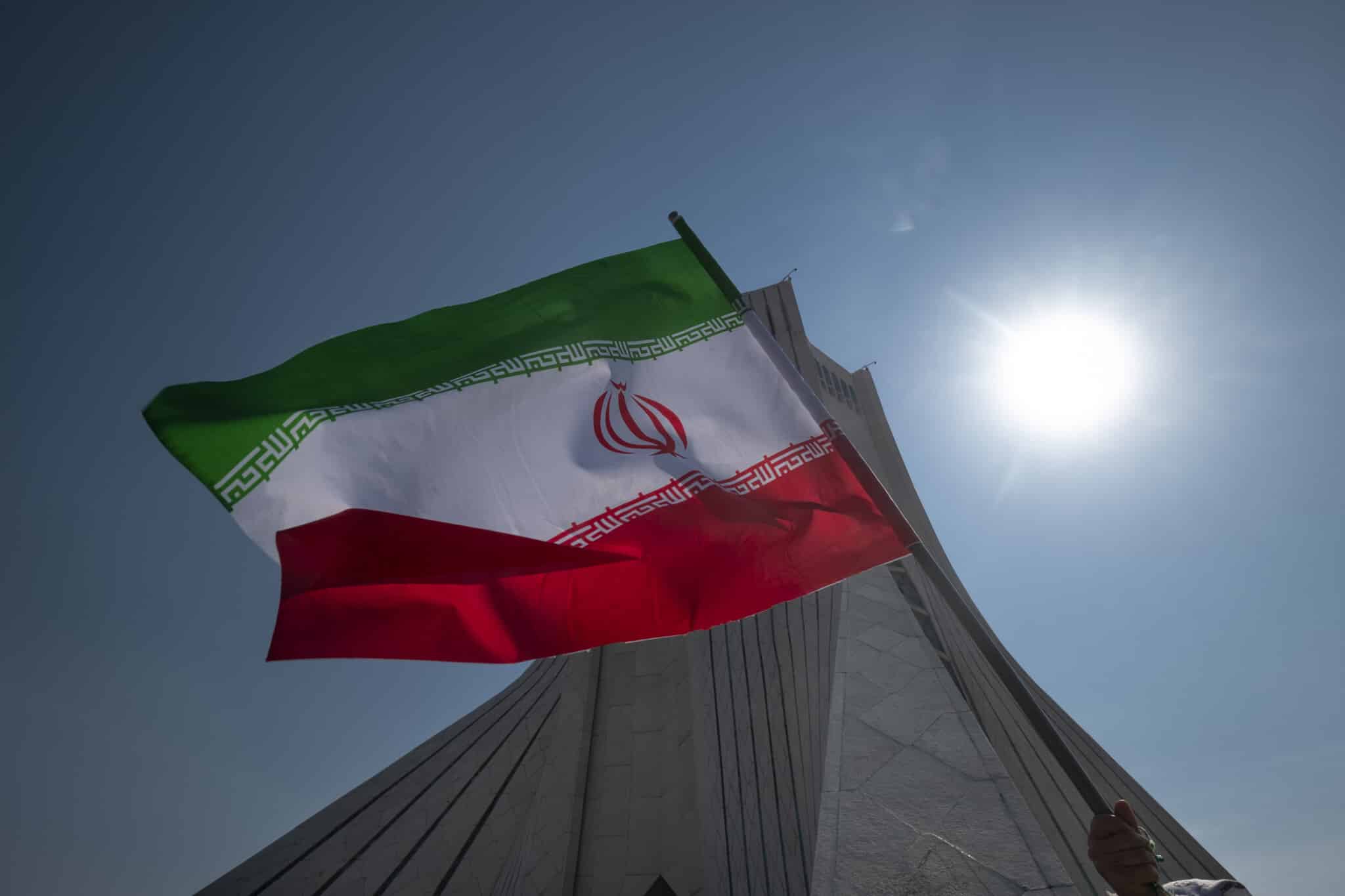
When the representative of Iran’s Supreme Leader stands on Indian soil and calls for an end to the "initiators of war," he isn't just delivering a sermon. He is executing a calculated diplomatic maneuver. This rhetoric, voiced recently in New Delhi, highlights a growing desperation within the Iranian leadership as regional conflicts threaten to dismantle decades of proxy-based influence. While the official narrative focuses on the humanitarian suffering of the "oppressed," the underlying reality involves a complex scramble for economic survival and regional relevance.
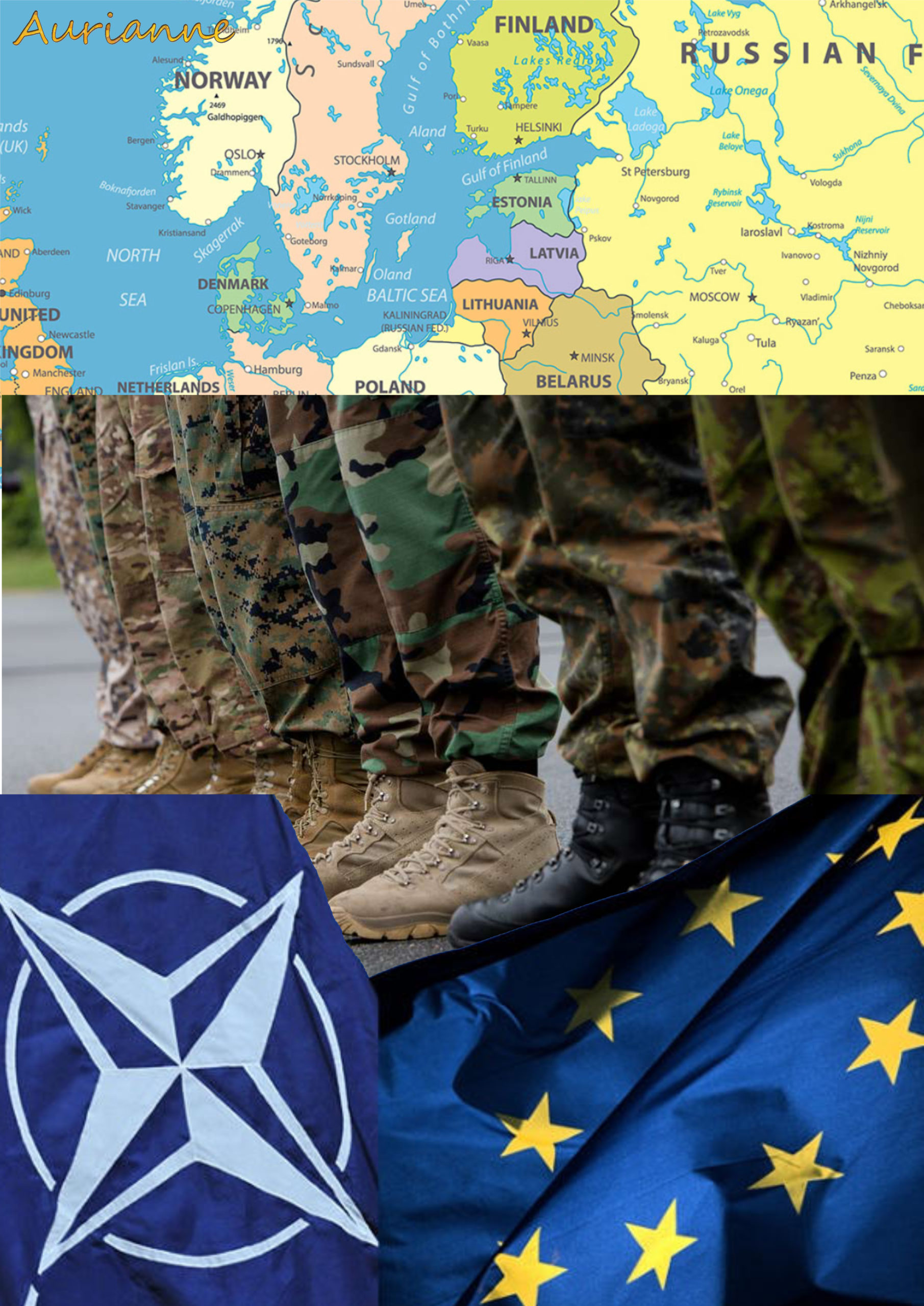
India finds itself in the middle of this geopolitical friction. For New Delhi, the challenge isn't just about managing a historical relationship with Tehran; it is about balancing that bond against a burgeoning strategic partnership with Israel and the United States. The Iranian appeal to India is a recognition of India’s unique position as one of the few global powers capable of talking to all sides. Yet, the cost of that dialogue is rising. Recently making news lately: Structural Deficits in European Defense Autonomy.
The Strategy Behind the Sermon
The timing of these statements is never accidental. By appealing to India’s sense of moral leadership, Tehran attempts to pull a major global economy away from the Western-led sanctions and diplomatic isolation. The Representative of the Supreme Leader, Ayatollah Khamenei, understands that India has a long memory of non-alignment. He is tapping into that history to suggest that India should not merely be a spectator but an active deterrent against Western and Israeli military actions.
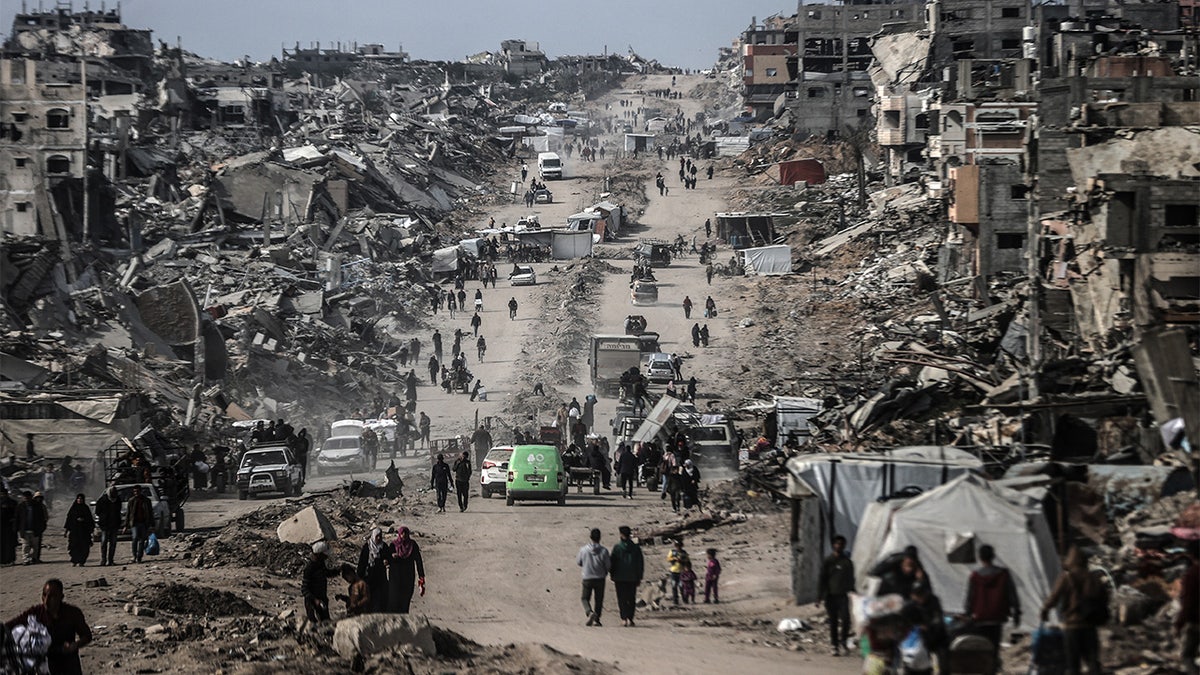
However, the "suffering" mentioned in these speeches is two-fold. There is the undeniable human cost of conflict in Gaza and Lebanon, which resonates with certain segments of the Indian population. Then there is the structural suffering of the Iranian state. Sanctions have throttled the Iranian economy. Inflation is rampant. The Iranian leadership needs a diplomatic win to show its domestic audience that it is not entirely alone on the world stage. Using India as a platform for this message serves to legitimize their stance in the eyes of the Global South. Additional information on this are explored by BBC News.
The Chabahar Factor and Economic Reality
At the heart of the India-Iran relationship sits the Port of Chabahar. This is not just a maritime project; it is India’s gateway to Central Asia, bypassing Pakistan. India has committed significant capital to this venture, and the Iranian leadership knows this is their strongest piece of leverage.
Every time a high-ranking Iranian official visits India, the subtext is the same. They are reminding New Delhi that their mutual economic interests are tied to regional stability. If a wider war breaks out, the dream of the International North-South Transport Corridor (INSTC) could evaporate. India wants the trade route. Iran wants the investment. This mutual need creates a layer of protection for Tehran, as India is unlikely to completely sever ties regardless of external pressure from Washington.
But this dependency is a double-edged sword. India has significantly reduced its Iranian oil imports to zero over the last few years to comply with U.S. sanctions. The "suffering" Iran speaks of is also the loss of their primary customer. The rhetoric in New Delhi is an attempt to shame or nudge India back into a more defiant economic posture, though the likelihood of India risking its relationship with the U.S. treasury for Iranian crude remains slim.
Balancing the Israel Equation
The most difficult part of the Iranian representative’s mission is the "Israel factor." Over the last decade, India’s relationship with Israel has moved from a quiet necessity to a loud, strategic embrace. From defense technology to agricultural cooperation, the ties are deep. When Iran calls for India to "stop the initiators of war," they are directly targeting the Israeli military campaign.
India’s response has been a masterclass in diplomatic ambiguity. New Delhi officially supports a two-state solution and has sent humanitarian aid to Palestine, yet it refrained from voting against Israel in several key international forums. This "Middle Path" infuriates Tehran. The Iranian representative’s public plea is an effort to force India out of this neutrality. They want a clear condemnation. They want India to act as a check on Israeli power.
The Proxy Conflict and the Indian Diaspora
One factor often overlooked by analysts is the impact of Middle Eastern instability on the Indian diaspora. Millions of Indians work in the Gulf. Any escalation that involves Iran directly—or its proxies—threatens the safety and the remittances of these workers. When the Iranian representative speaks of suffering, he is indirectly pointing to a scenario where the entire region becomes a no-go zone for global labor.
Tehran is aware that India cannot afford a total regional collapse. By framing the "initiators of war" as the sole cause of this risk, Iran attempts to shift the blame away from its own support of non-state actors. It is a narrative battle. If Iran can convince the Indian public and policy-makers that the West is the primary disruptor of regional peace, it gains a significant psychological advantage in the East.
The Intelligence Dilemma
Behind the scenes, the security agencies of both nations maintain a cautious dialogue. India has faced challenges with Iranian-linked elements on its own soil, including incidents near the Israeli embassy in New Delhi. This creates a disconnect between the public-facing religious and diplomatic messaging and the cold reality of national security.
The Representative of the Supreme Leader speaks of peace and brotherhood, but the Indian security establishment remains wary. They have to weigh the benefits of the Chabahar port against the risks of being caught in the crossfire of a shadow war between Mossad and the IRGC. This tension defines the current state of affairs. India is not a blind follower of Iranian interests, nor is it a puppet of Western policy. It is a cynical, pragmatic actor looking out for its own borders and its own bank accounts.
A New Era of Non-Alignment
We are seeing a mutation of the old Non-Aligned Movement. It is no longer about ideology; it is about multi-alignment. India will listen to the Iranian representative. It will host him with the dignity his office demands. It will agree that "war is bad" and "suffering must end." Then, it will turn around and sign a defense deal with a Western power or a technology pact with an Israeli firm.
This is the hard truth that Tehran must face. The emotional and religious appeals are becoming less effective as India’s global ambitions grow. India wants to be a "Vishwa Mitra" (a friend to the world), but a friend to everyone is often a partner to no one when the bullets start flying. The Iranian representative’s visit was an attempt to reclaim a lost sense of intimacy between the two nations, but that intimacy has been replaced by a ledger of risks and rewards.
The suffering in the Middle East is real, but in the halls of power in New Delhi, that suffering is measured in oil prices, shipping insurance rates, and geopolitical capital. Iran is asking for a champion. India is offering a polite, distant handshake and a reminder that the port in Chabahar is still waiting for its next shipment. The "initiators of war" will continue their campaigns, and India will continue to watch the horizon, ensuring its own ship stays upright in the storm.
Stop looking for a moral consensus in these diplomatic exchanges. There isn't one. There is only the survival of the state and the constant, grinding pursuit of national interest.