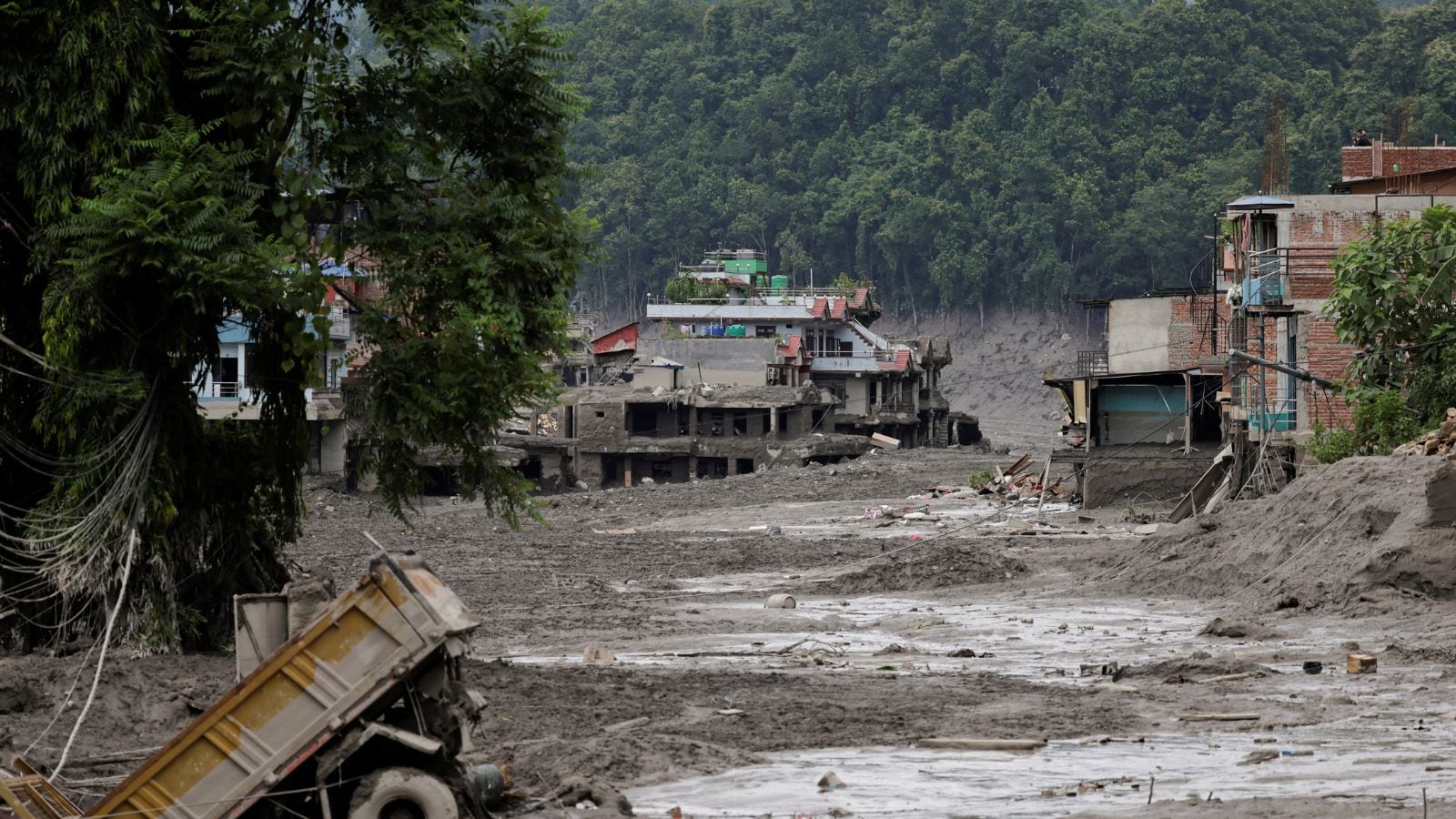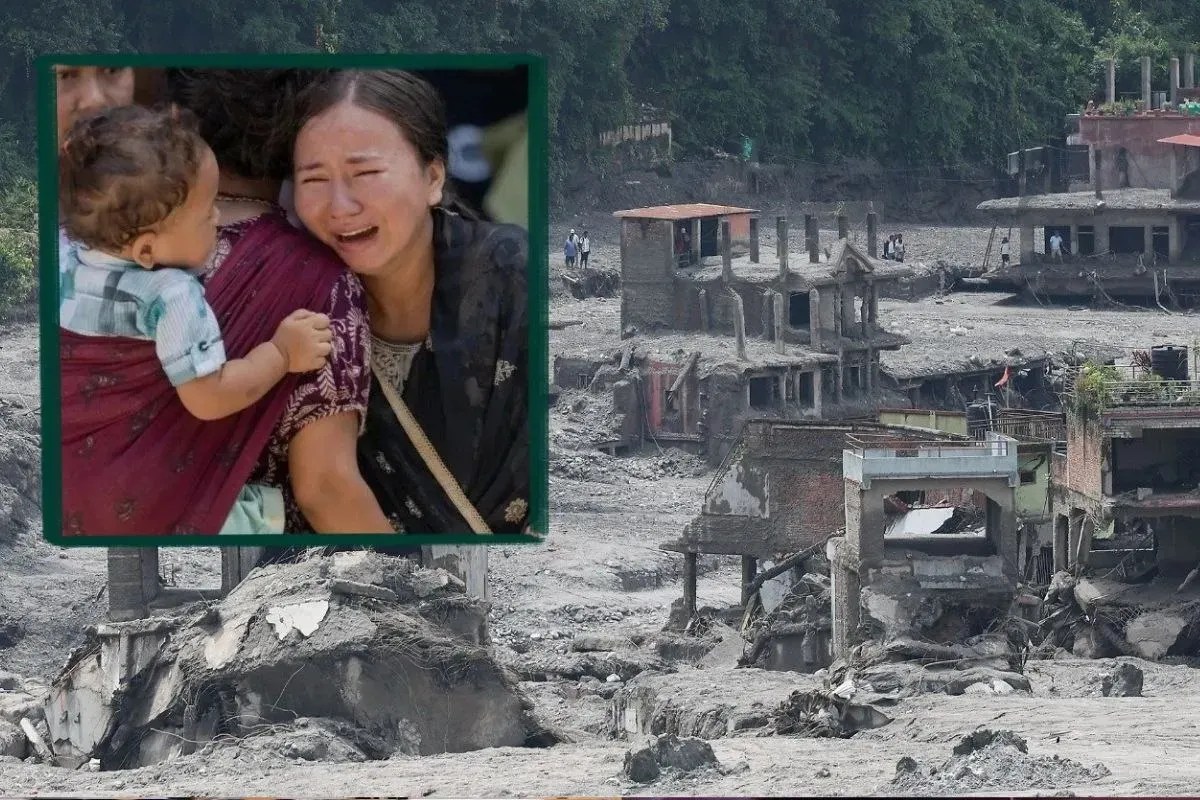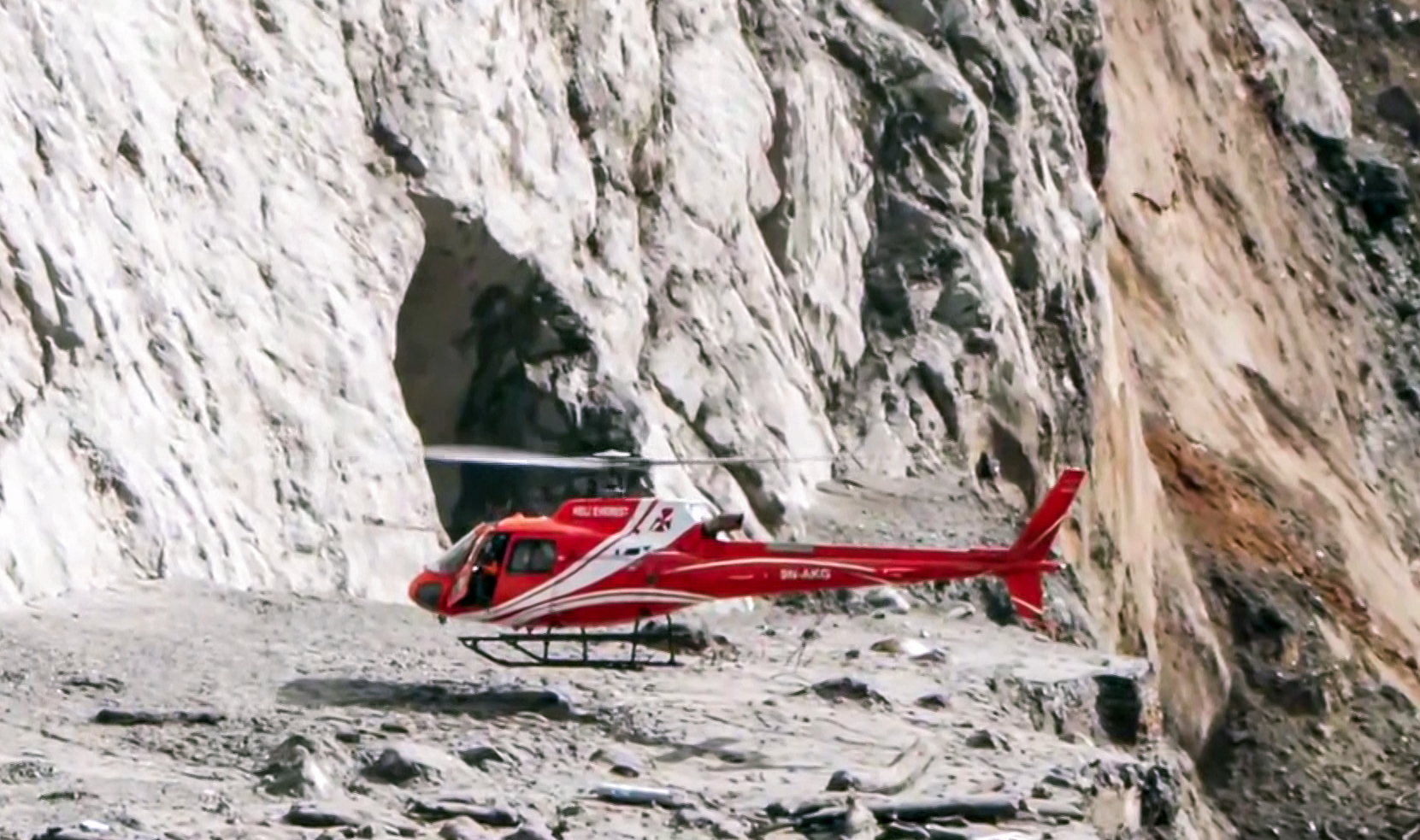
The media loves a neat, digestible narrative. Find an underdog, sprinkle in some identity politics, and frame a dangerous profession as an inspirational poster. That is the lazy consensus surrounding Captain Priya Adhikari, Nepal’s pioneering female helicopter pilot, who recently ground out roughly 100 rescue missions across six days during catastrophic flash floods near the Tibetan border. Profile pieces across global outlets breathlessly focus on her gender, her path from cabin crew to the cockpit, and the inspirational optics of a woman defying cultural odds in the Himalayas.
It is a comfortable story that allows armchair commentators to applaud grit while completely ignoring the structural rot underneath.
Focusing on the novelty of who is flying the helicopter distracts from the brutal reality of why those flights are necessary in the first place. When an aviation system relies on individual heroics to compensate for systemic failure, glorifying the pilot is a distraction. Let us dismantle the lazy coverage and look at the physics, economics, and cold operational mechanics of high-altitude mountain rescue that the headlines gloss over.
The Myth of the Inspiring Mountain Hero
Every time mainstream media reduces a high-stakes aviation operator to an inspirational trope, they do a disservice to the profession. Pilots like Adhikari do not survive six-day rescue marathons by channeling inspiration or breaking glass ceilings; they survive through absolute mechanical compliance, localized atmospheric awareness, and sheer risk management.
When flash floods obliterate infrastructure, wiping out hydropower projects and isolating mountain communities, the reliance on rotary-wing aircraft becomes absolute. Yet media framing treats these missions like an action movie.
Consider the operational reality of flying 100 rescue sorties in less than a week across debris-clogged air and shifting mudslides. That pace defies standard crew resource management and fatigue guidelines established by international aviation authorities. Human brains and physical reflexes degrade under chronic hypoxia and sleep deprivation. Operating a turbine helicopter at high density altitudes while balancing power management over shifting, unstable mud leaves a razor-thin margin for error.
When outlets gush over how many bodies or survivors a single pilot hauled out, they normalize an emergency response framework that stretches human and mechanical limits to the breaking point. If an aviation sector requires pilots to operate continuously at maximum physiological exhaustion to make up for a lack of ground infrastructure, the system is broken.
The Physics of High-Altitude Reality
Let us clear up the technical romanticism surrounding Himalayan rescue flying. Thin air does not care about your background, your gender, or your inspirational life story.
At elevations surpassing 6,000 meters, air density plummets. Rotor blades bite into less atmosphere, reducing lift capacity precisely when extra power is needed to haul heavy loads of fuel, survivors, and gear out of confined river valleys. Density altitude calculations become a matter of life and death.
When multiple aircraft crowd into confined landing zones like Timure—where thick mud prevents safe ground shutdowns, forcing pilots to maintain constant power on the skids—the danger multiplies exponentially. Wake turbulence, rotor wash kicking up blinding silt, and fluctuating micro-winds off jagged peaks create a localized aerodynamic meat grinder.
Pilots navigating these environments are executing complex physics equations under extreme cognitive load. Reducing their work to a tokenistic celebration of breaking gender barriers minimizes the rigorous technical competence required to keep a bird airborne in terrain that actively tries to kill you.
What Structural Reform Actually Looks Like
If we want to honor individuals operating in high-risk rescue sectors, we must stop treating them as anomalies to be marveled at and start treating them as indicators of systemic vulnerabilities.
- Decentralize Emergency Response: Relying on ad-hoc helicopter dashes after disaster strikes is a reactive failure. True resilience requires prepositioning resources, hardening regional infrastructure, and developing localized early-warning networks that do not depend entirely on visual flight rules in mountain passes.
- Enforce Fatigue Standards: A pilot flying 100 missions in six days is operating in a red-zone fatigue state. Regulatory bodies must place hard caps on sortie rates during disaster response to prevent cognitive fade from causing catastrophic controlled flight into terrain (CFIT) accidents.
- Normalize Technical Competence: Stop treating female aviators as cultural novelties. The transition from cabin crew or environmental science graduate to high-altitude captain is a testament to rigorous flight training, instrument proficiency, and stick-and-rudder mastery. Frame them as elite professionals, not characters in an inspirational drama.
Hero worship is a cheap substitute for infrastructure. Until we build systems that do not require extraordinary people to perform miracles just to keep a region functional, disaster response will remain a desperate gamble played out in the thin air of the mountains.