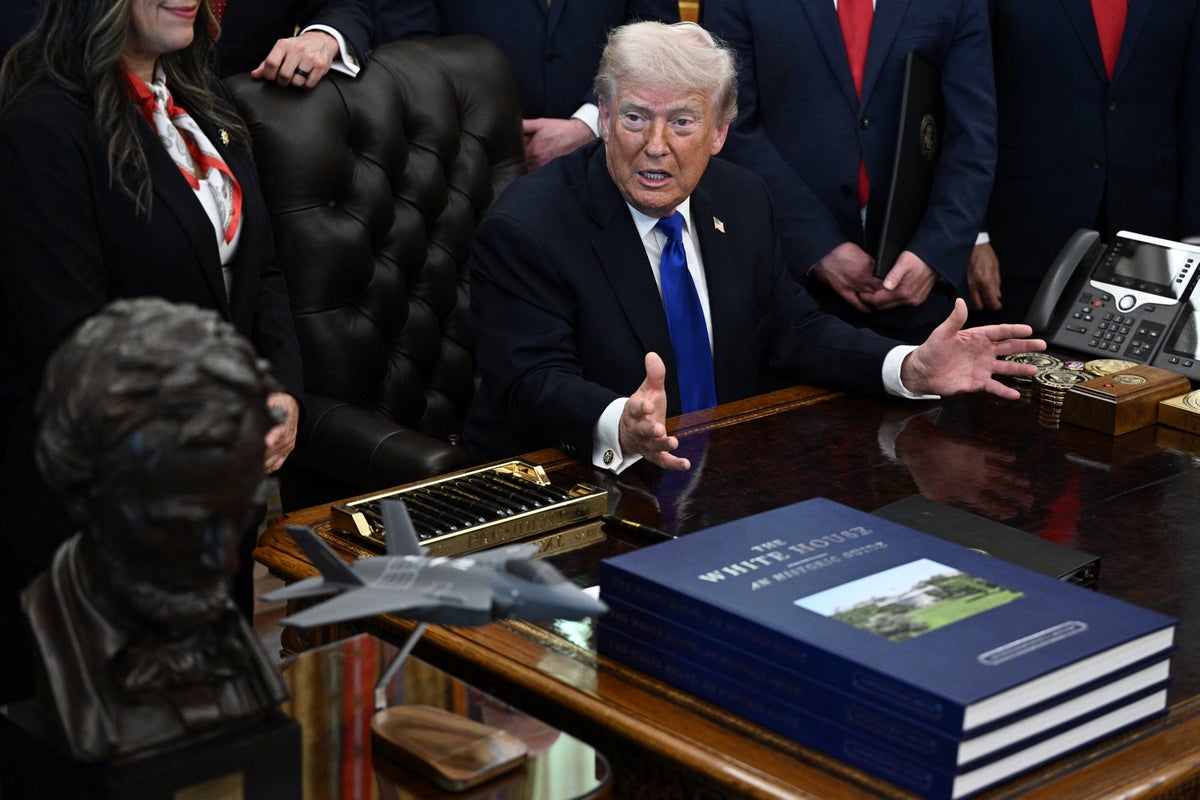
The media is currently obsessing over a "broken scale." They’re staring at polling data showing Donald Trump’s approval rating cratering under the weight of 3.3% inflation and shouting about a political apocalypse. They want you to believe this is a unique, unprecedented failure of leadership or a "geopolitical holding pattern" gone wrong.
They’re wrong.
What we’re seeing isn't a broken scale; it's a predictable, cold-blooded mathematical reaction. The "lazy consensus" is that Trump "broke the scale" because he promised cheap gas and delivered an Iran war instead. That’s the surface-level narrative for people who don't understand how consumer psychology and price floors actually work.
If you want the truth, you have to look at the floor, not the ceiling.
The Cognitive Trap of the $2 Gallon
The biggest mistake of the current administration wasn't the war in Iran—it was the $2 promise. I’ve seen political campaigns blow through billions trying to manage "expectations," but you cannot manage a number that specific.
When you tell the American public that petrol will be $2, you aren't just making a campaign promise. You are setting a psychological "strike price."
As of March 2026, the national average for gas is $4.18. The media points to the 18.9% jump in gasoline prices and the 44.2% spike in fuel oil as the reason for the approval slump. But that’s only half the story. The real "scale breaker" isn't the current price; it's the delta between the promised $2 and the actual $4.
Voters don't feel "3.3% inflation." They feel a 109% failure on a specific, anchored promise.
Why 3.3% Feels Like 10%
Economists are currently patting themselves on the back because core inflation—the stuff that excludes food and energy—is sitting at a "moderate" 2.6%. They use this to argue that the economy is fundamentally "solid."
This is academic gaslighting.
I’ve spent years analyzing consumer data, and I can tell you that "Core CPI" is a metric for bankers, not humans. Humans live in the margins of "Headline CPI."
- Energy is up 12.5%.
- Fuel oil is up 44.2%.
- Food is up 2.7% (on top of the 80% spike reported by some outlets last month).
When the "non-core" items—the things you actually have to buy every single week to stay alive—are the ones exploding, the "core" stability is irrelevant. The pollsters say the scale is broken because they are trying to measure a 2026 reality with 1990 tools. In a post-pandemic, high-debt world, the tolerance for price volatility has evaporated.
The public isn't "unimpressed." They are tapped out. The $1,400 real wage growth touted by the White House earlier this year has been completely cannibalized by the $4.18 pump price. It’s not a policy failure; it’s a math problem.
The Myth of the "Iran Shock"
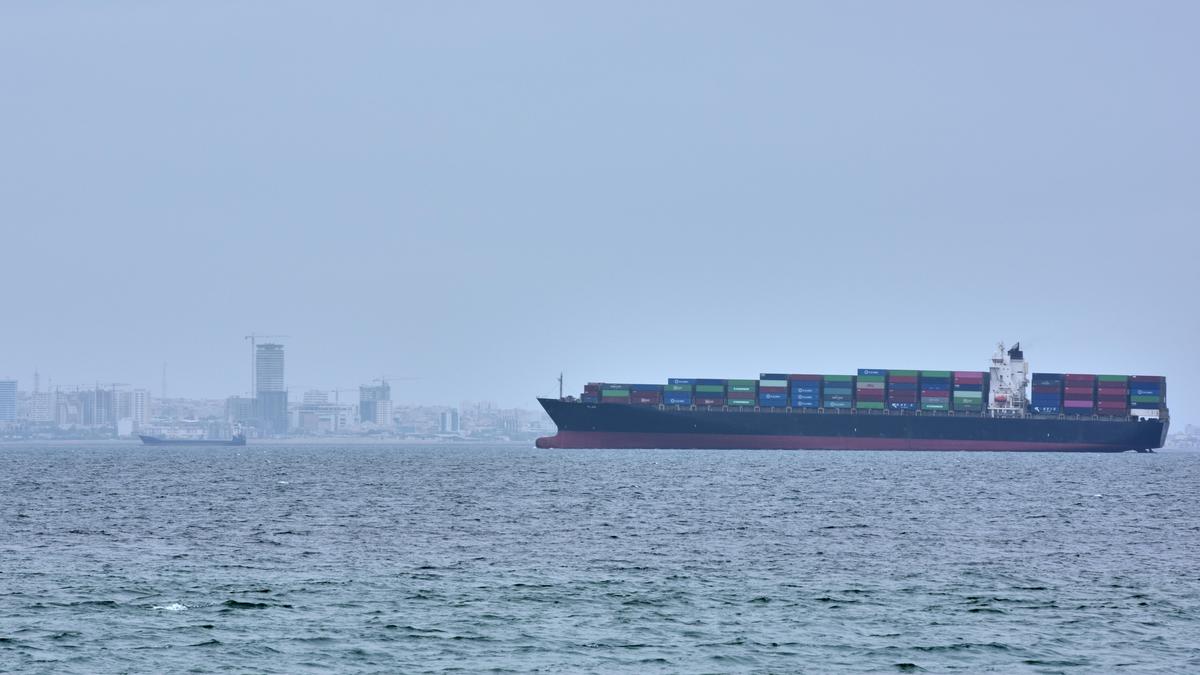
The competitor piece blames the Iran war and the closure of the Strait of Hormuz for everything. It’s a convenient boogeyman. It allows the administration to say, "It’s not our fault; it’s a global energy shock."
But let’s be brutally honest about the "nuance" they missed: The vulnerability was baked in.
You cannot claim to "unshackle American drillers" and then act surprised when your foreign policy choices make those same drillers irrelevant to the global price of Brent crude. If you tie your political identity to "liquid gold," you own the price when it hits $110 a barrel.
The "contrarian" take here is that Trump isn't being punished for the war. He’s being punished for the arrogance of the solution. He told the public that domestic production was a magic wand that could bypass global market realities. The "scale" didn't break because of Tehran; it broke because the "America First" energy shield turned out to be made of paper.
Stop Asking if the Economy is "Better"
People keep asking the wrong question. They ask, "Was the economy better under Biden?"
That is a flawed premise. The question assumes voters have a long-term memory for macroeconomic trends. They don't. They have a "last 30 days" memory for the grocery bill.
In late 2024, inflation had cooled to 3%. Biden was still losing on the economy because people were still mourning the 9.1% peak from 2022. Now, Trump is losing because people are mourning the $2 gas he promised in 2025.
The "Actionable Advice" for any leader—or any business owner—is this: Never anchor your value proposition to a commodity price you do not control. ## The Downside of the Truth
The brutal reality is that there is no "quick fix" for the 3.3% jump. Releasing oil from the Strategic Petroleum Reserve is a squirt gun at a forest fire. Tariffs, which were supposed to "protect" the economy, are now acting as a secondary tax on the very consumers who are already paying $5.46 for diesel.
If you’re waiting for a "rebound" in the polls, you’re waiting for a miracle in the Strait of Hormuz.
The scale isn't broken. It’s just finally showing the weight of a presidency that promised to ignore the laws of global supply and demand. You can't tweet your way out of a $120 barrel of oil.
The math always wins.