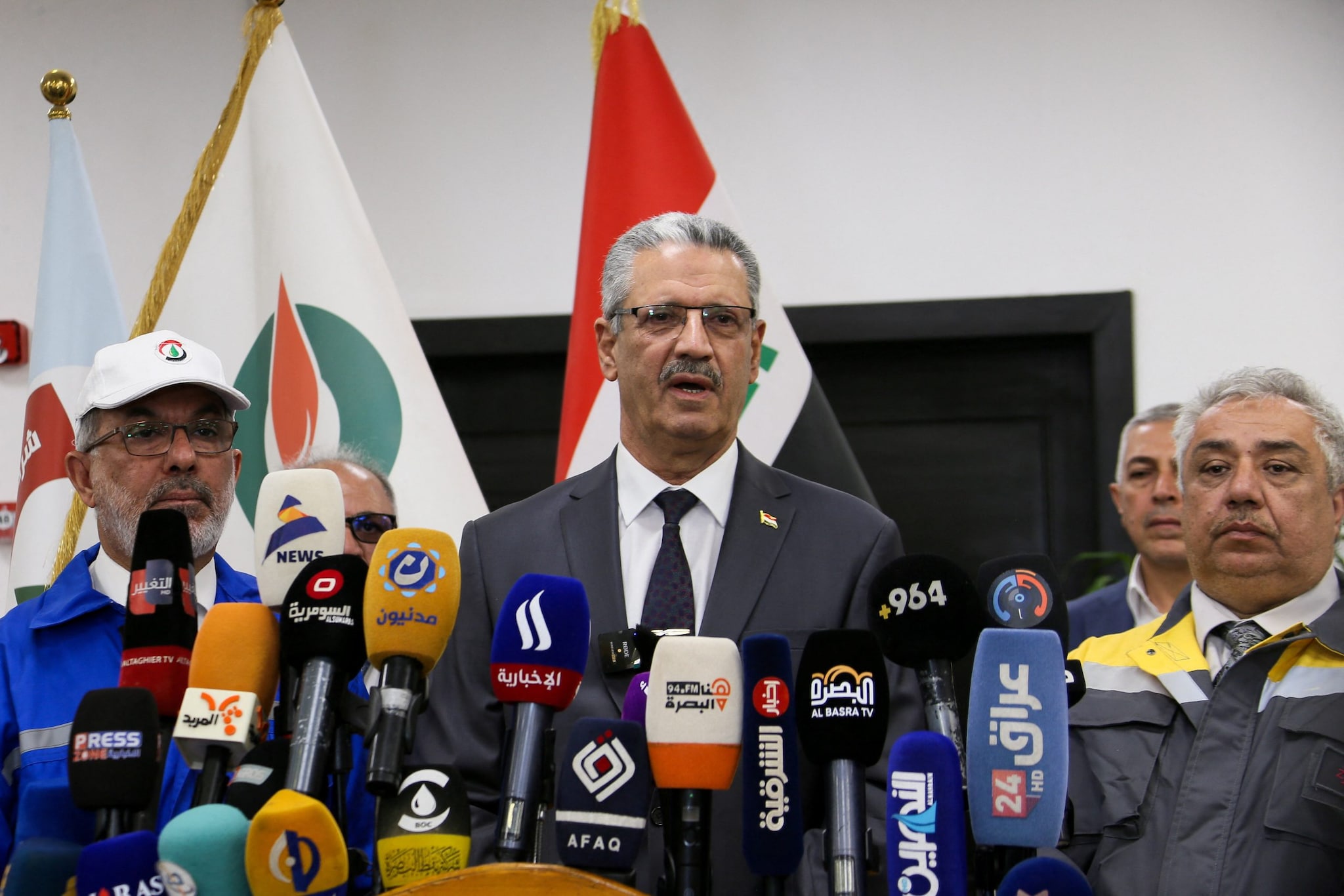
Cani Fernández, the head of Spain’s National Markets and Competition Commission (CNMC), thinks she is doing the country a favor by playing nice. By announcing that the upcoming report on Spain’s nationwide blackout will focus on "technical solutions" rather than "assigning blame," she isn't just being diplomatic. She is being dangerous.
When the lights go out across an entire nation, the "nobody’s at fault" narrative is the ultimate corporate sedative. It’s a comfortable lie designed to protect utility monopolies and aging infrastructure from the one thing that actually forces progress: accountability. If you liked this article, you should look at: this related article.
In the high-stakes world of energy transmission, "technical failure" is often just a polite euphemism for "calculated neglect." By refusing to name names, the CNMC is essentially telling the market that incompetence carries no price tag.
The Myth of the Blameless Blackout
The industry consensus is currently patting itself on the back for its maturity. They argue that identifying a culprit creates a "culture of fear" that prevents engineers from sharing data. This is nonsense. In aviation, when a plane goes down, we don't just talk about the aerodynamics of the stall; we look at who signed off on the maintenance and which executive cut the budget for the sensors. For another look on this development, see the recent coverage from Reuters Business.
Energy grids are no different. They are complex, interconnected machines, but they are managed by humans making financial decisions. If a substation fails because it was pushed 15% past its rated capacity for three years to juice a quarterly dividend, that isn't a "technical anomaly." It’s a choice.
Fernández’s approach ignores the fundamental incentive structure of the Spanish energy market. Without a clear assignment of liability, the cost of the blackout is socialized—passed on to the taxpayer and the small business owner who lost a day’s revenue—while the operators keep their credit ratings intact.
Why Technical Reports are Smoke Screens
We’ve seen this play out a dozen times. A report will be released in six months. It will be 400 pages of $P = VI$ equations, phase-angle discussions, and "unforeseen cascading events." It will recommend "enhanced monitoring" and "better cross-border synchronization."
Here is what it won't say:
- Which specific investment was deferred in favor of a stock buyback.
- Which grid operator ignored the early warning signals from the SCADA systems.
- Why the redundant backups failed to kick in within the mandated millisecond window.
I have spent years watching energy firms hide behind "complexity." They treat the grid like a sentient weather pattern that no one can control. But the grid is a manufactured asset. When it breaks, it breaks because of a failure in design, maintenance, or operation. By stripping the "who" from the "how," the CNMC ensures that the same cracks will reappear the next time the load spikes.
The Red Eléctrica Elephant in the Room
You cannot discuss a Spanish blackout without talking about Red Eléctrica de España (REE). As the sole transmission agent and operator, REE is the referee and the lead player. When the antitrust chief says we aren't looking for blame, she is effectively giving the state-backed monopoly a "get out of jail free" card.
The "lazy consensus" suggests that REE is a victim of circumstance—perhaps a freak weather event or a surge from the French border. But true grid resilience is built on the assumption that things will go wrong. If the system cannot handle a localized failure without a nationwide collapse, the architecture itself is the culprit.
If we don't audit the decision-making process at the top of these organizations, we are just waiting for the next "act of God" to reveal the same human errors.
The High Cost of Neutrality
What happens when you don't assign blame?
- Insurance Limbo: Businesses cannot claim damages if the regulator refuses to define the event as negligence.
- Under-investment: Why should a utility spend €500 million on hardening its infrastructure if a failure results in a "technical report" rather than a massive fine?
- Market Distortion: Competition dies when the worst-performing players are protected from the consequences of their inefficiency.
Imagine a scenario where a private hospital's generators fail during this blackout because the local utility provided dirty power that tripped their breakers. Under the current "no-blame" framework, that hospital has zero recourse. The utility says, "Hey, it was a national event, read the CNMC report."
That isn't regulation. That's a protection racket.
Stop Asking "What Happened" and Start Asking "Who Benefited"
The "People Also Ask" sections of the internet are filled with queries about whether the grid was hacked or if the transition to renewables is to blame. These are the wrong questions. Renewables are a variable, yes, but a known one. Hacking is a threat, but one that should be defended against.
The real question is: Who benefited from the lack of redundancy that led to the collapse?
The answer is always the entity that saved money by not building it. By focusing solely on the "technical," the CNMC is ignoring the financial forensics. We need to follow the money, not just the electrons. We need to see the maintenance logs of the last five years compared against the dividend payouts.
The Contrarian Path to Real Resilience
If Spain actually wanted to prevent the next blackout, the CNMC would do the opposite of what Fernández has proposed:
- Mandatory Liability Tiers: Establish a legal framework where the length of a blackout correlates directly to the percentage of annual revenue a utility must forfeit.
- Public Failure Audits: Instead of a dry technical paper, hold public hearings where the Chief Operating Officers have to explain, under oath, why their "fail-safes" didn't fail-safe.
- Decentralized Accountability: Break the monopoly's grip on data. Allow third-party firms to audit the grid's health in real-time, so the "technical reasons" are known before the lights go out.
Admitting fault isn't about vengeance. It’s about feedback loops. A system without a feedback loop—where failure has no consequence—is a system that is guaranteed to fail again.
The antitrust chief is trying to keep the peace. But in the energy sector, peace is just the interval between two catastrophes. We don't need a peaceful report. We need a brutal one.
Stop protecting the giants who left the country in the dark.
Demand the names. Demand the ledgers. Demand the blame.