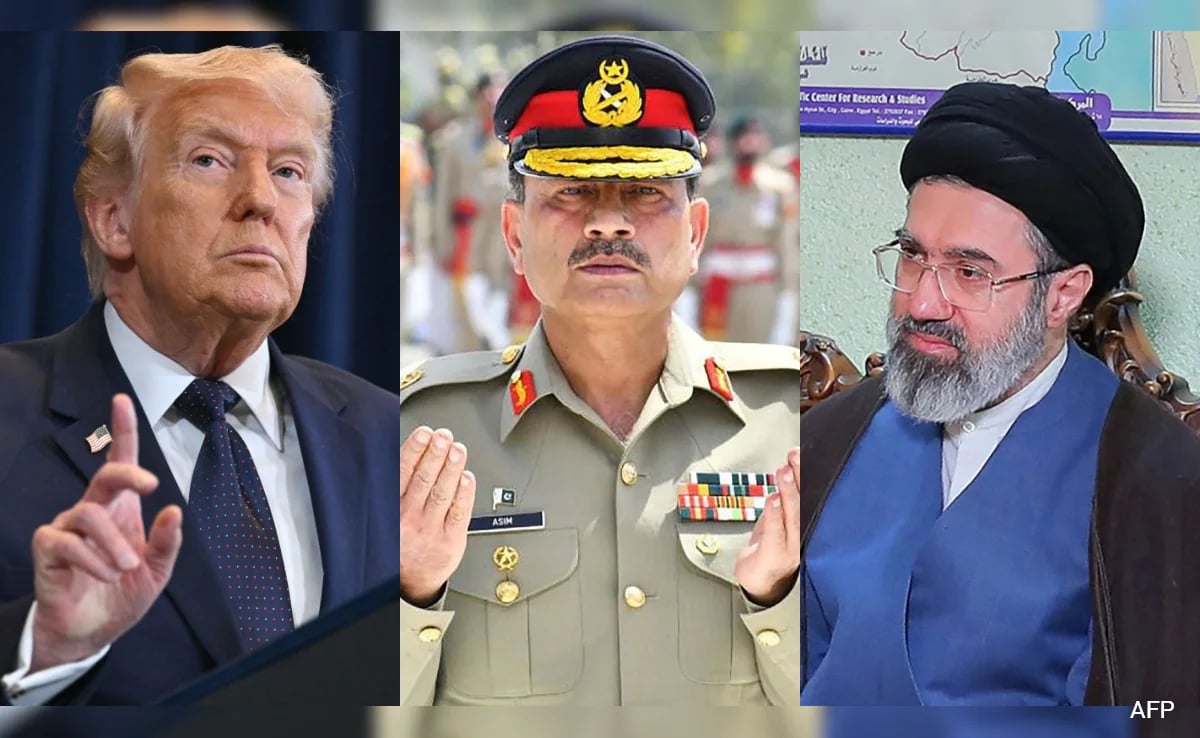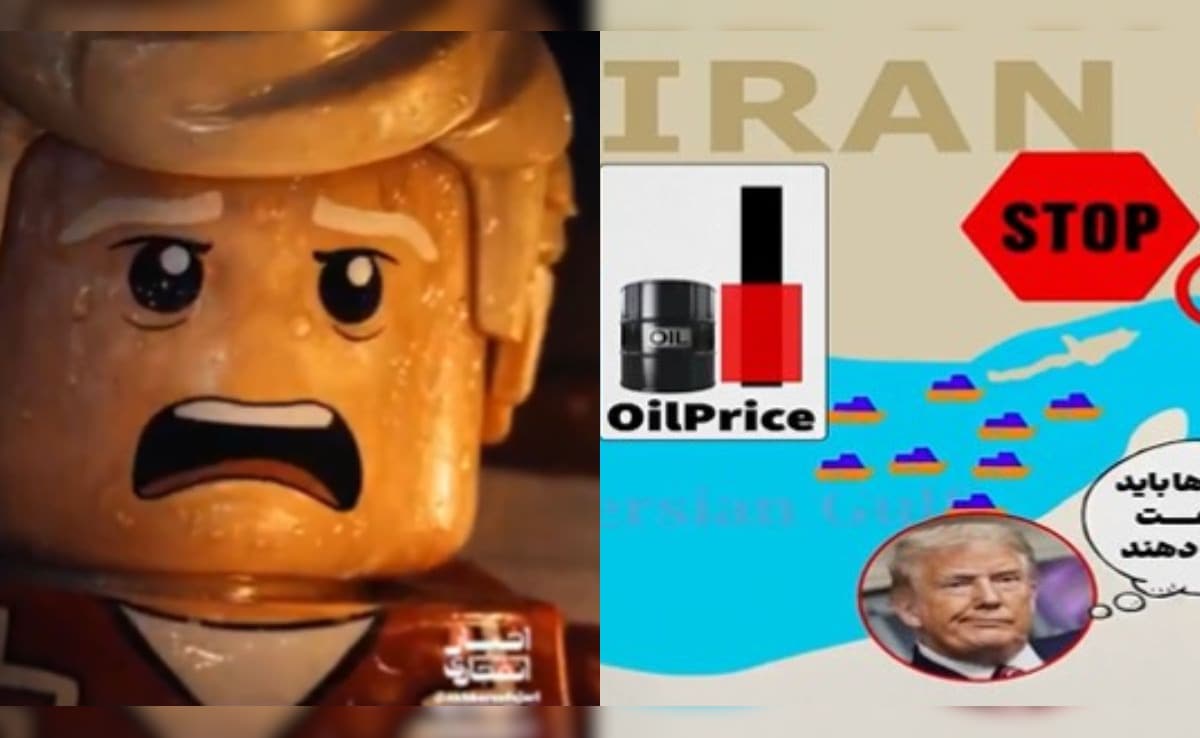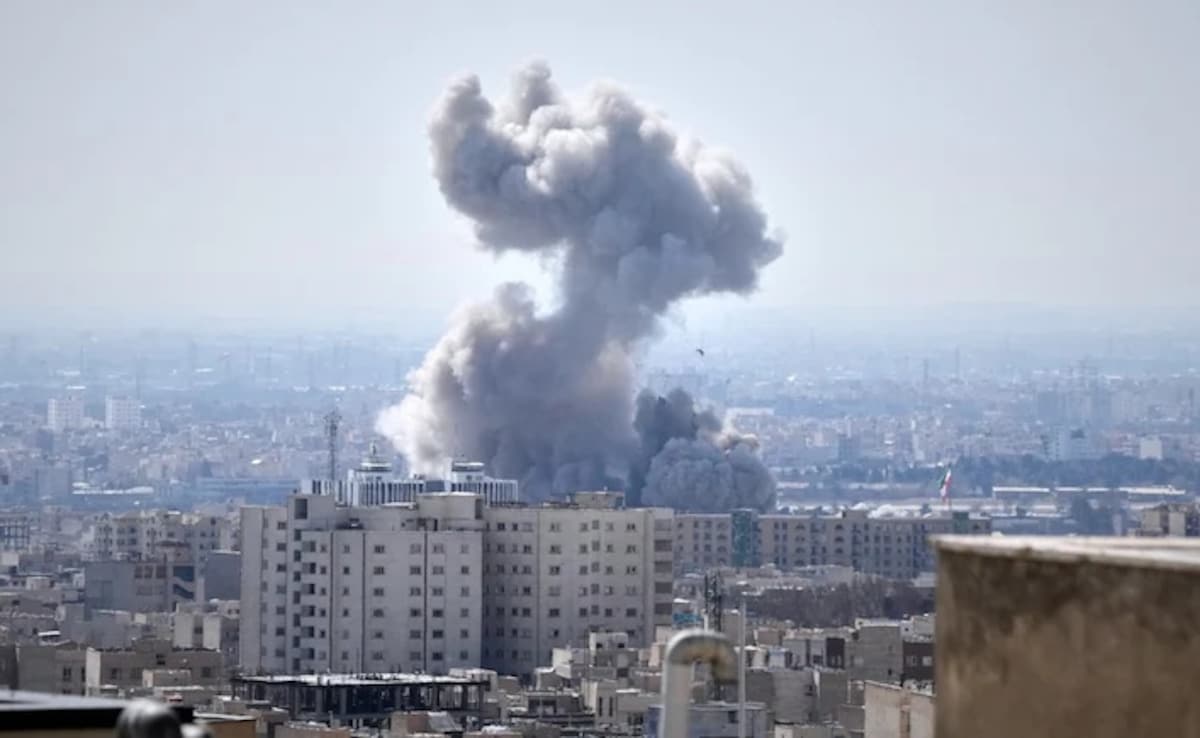
The images hitting your screen from Iran aren't just news. They're weapons. We’ve entered an era where a 15-second clip on a smartphone carries as much strategic weight as a drone strike, yet we've never been more blind. You might think you're seeing the "truth" because it’s recorded on a shaky handheld camera in Tehran, but you're actually staring into a black box of filtered data, state-sponsored bot nets, and intentional signal jamming.
This isn't just another conflict. It's the first time a major geopolitical standoff involving the U.S. and a Middle Eastern power is being fought primarily through the lens of algorithmic warfare. While traditional military hardware sits in the Persian Gulf, the real skirmishes happen on Instagram, X, and Telegram. If you aren't questioning the source of every viral video, you're already a casualty of the information war.
The Illusion of Access in a Censored State
Western audiences often fall for the "citizen journalist" trap. We assume that because someone can bypass a firewall with a VPN, we're getting an unvarnished look at the ground reality. That's a dangerous oversimplification. The Iranian government has spent decades perfecting the "National Information Network," basically a kill-switch for the global internet that keeps domestic services running while cutting off the outside world.
When the grid goes dark, the only thing that gets out is what the state allows or what the most tech-savvy dissidents can smuggle through narrow, precarious digital tunnels. This creates a massive data gap. You're seeing the peaks of the conflict—the fires, the protests, the arrests—but you're missing the vast, quiet valleys of institutional movement. It's like trying to understand a 500-page novel by looking at three random polarized photos.
The U.S. government faces a similar struggle. Intelligence agencies used to rely on satellite imagery and human assets. Now, they're scraping social media just like everyone else. But when the "digital evidence" is curated by actors with specific agendas, the risk of a policy blunder based on bad data skydives into dangerous territory.
How Algorithmic Bias Shapes Foreign Policy
Algorithms don't care about geopolitical nuances. They care about engagement. A video of a burning flag or a dramatic street confrontation gets pushed to the top of your feed because it triggers an emotional response. This creates an echo chamber where the most extreme voices on both sides—those calling for total war and those calling for immediate regime change—become the only voices heard by policymakers in Washington.
I've watched this play out in real-time. A single unverified clip gets 5 million views. Within hours, a Senator is tweeting about it. By the next morning, it’s a talking point in a press briefing. The speed of social media has outpaced the speed of traditional intelligence verification. We're making 50-year decisions based on 50-second clips that might be six months old or filmed in a different country entirely.
State actors aren't stupid. They know how to "juice" the algorithm. Iran’s "cyber army" and Western-backed influence operations both use clusters of accounts to make specific hashtags trend. They create the appearance of a massive public consensus where none might exist. It’s a hall of mirrors.
The Weaponization of Deepfakes and AI
If you think the "black box" is dark now, wait until you factor in generative AI. We’re reaching a point where high-quality, fabricated footage of military movements or political speeches can be produced in minutes. In a high-tension environment like the U.S.-Iran relationship, a convincing deepfake of an accidental missile launch could trigger a kinetic response before any human analyst can debunk it.
The verification process is failing. Fact-checkers are overwhelmed. Even when a video is proven fake, the "first impression" remains in the public consciousness. This is the heart of the social media war. It’s not about winning an argument; it’s about polluting the information stream so much that people stop believing anything at all. When the public is cynical and confused, the state wins.
Why the U.S. Struggles with the Digital Front
The U.S. military is built for traditional battlefields. It's great at moving tanks and carrier groups. It's remarkably bad at navigating the chaotic, decentralized nature of Persian-language social media. Washington often treats "the internet" as a monolith, failing to account for the cultural nuances and linguistic slang that define Iranian digital spaces.
There’s also the problem of "digital blowback." When the U.S. or its allies try to counter Iranian narratives online, those efforts often look clunky and artificial. Iranians are some of the most tech-literate people on the planet. They can spot a state-funded bot a mile away. These failed attempts at influence often end up strengthening the regime's argument that all domestic dissent is just "foreign meddling."
The Physical Cost of Digital Ghosting
We can’t forget that behind every "black box" data point is a human being. When the internet gets cut off in Iran, it’s not just about stopping TikTok videos. It’s about stopping people from banking, talking to their families, or accessing medical records. The digital war has a massive physical toll that rarely makes it into the headlines of Western tech blogs.
The "Social Media Age" of war was supposed to bring transparency. It was supposed to be the "Sunlight is the best disinfectant" era. Instead, it’s given us a new kind of fog. A fog that's thicker because we're convinced we can see through it. We aren't just observers of this war; through every like, share, and retweet of unverified content, we're active participants in a conflict we barely understand.
To navigate this, you need to change how you consume information. Stop following "breaking news" accounts that prioritize speed over sourcing. Look for journalists who have a track record of Farsi-language reporting and who acknowledge what they don't know. Check the metadata of images when possible. Most importantly, realize that if a piece of content perfectly confirms your existing biases about Iran or the U.S., it was probably designed specifically to do that.
Start by diversifying your feed with analysts who focus on regional economics and internal Iranian power structures, rather than just "protest porn." Use tools like Google Reverse Image Search or Amnesty International's YouTube Dataviewer to check if that "new" video has been circulating since 2019. The only way to see through the black box is to stop pretending the view is clear.