The air in the high valleys of Nepal always smells of two things: ancient woodsmoke and wet stone. When you walk those footpaths, breathing in the thin, sharp air of the Himalayas, time seems to fold inward. You pass old shrines draped in faded marigolds, worn smooth by the palms of thousands of believers who walked this exact earth centuries before you. It is a journey of devotion. It is a pilgrimage.
Then, the rain starts.
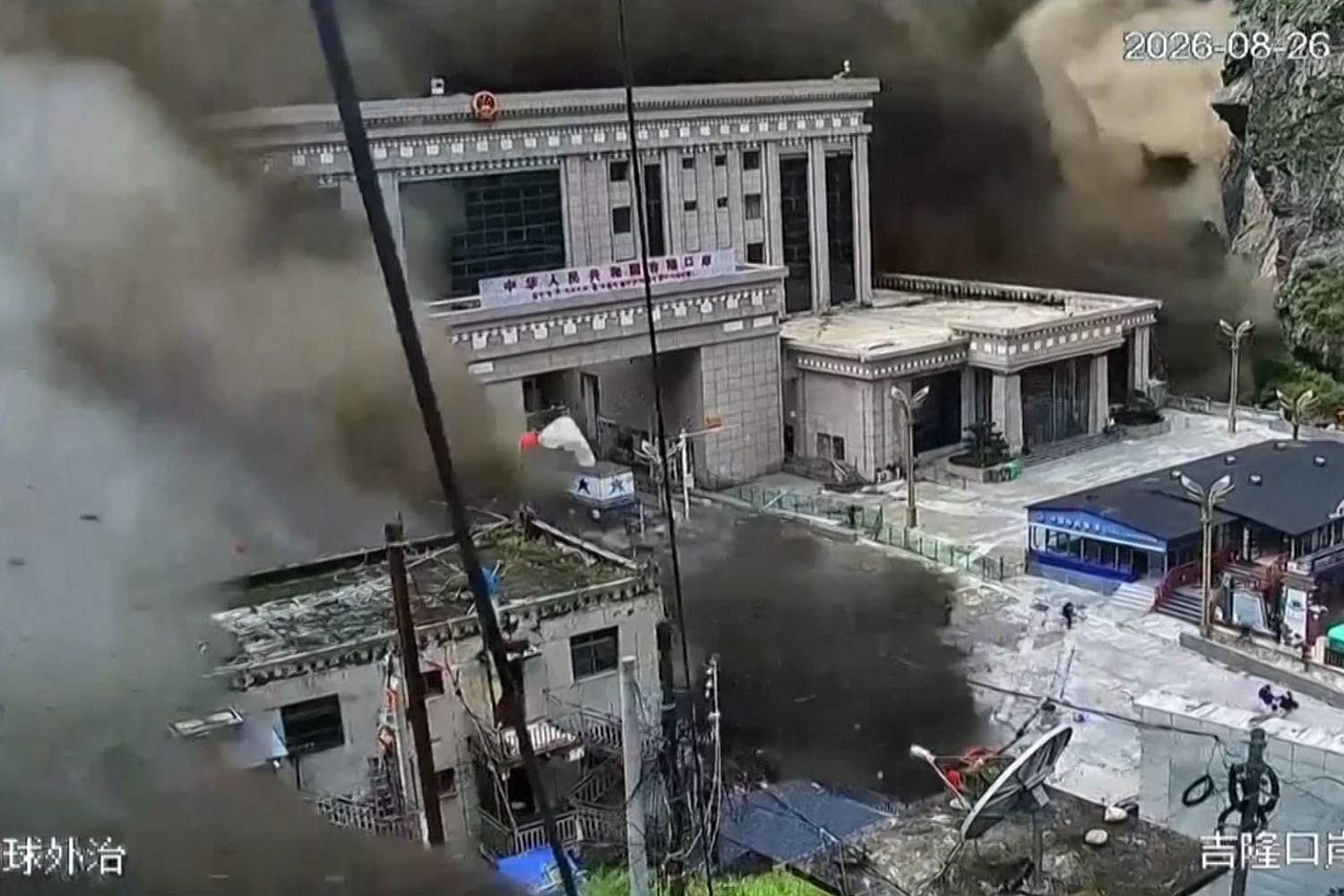
Not a gentle mist that cools the shoulders, but a heavy, relentless gray sheet that turns mountain tracks into rushing torrents. Rivers swell. Mud gives way. Bridges snap like dry twigs.
In the span of a single afternoon, the sacred trails transform into traps.
The Weight of a Missing Name
Statistics are comfortable. They keep tragedy at a safe distance. We read headlines about weather events, nod at the scale of the damage, and turn the page. But numbers do not capture the specific ache of a family waiting by a telephone in a dusty corner of Uttar Pradesh or Bihar, watching the hours tick away with no word from a father who went north to find peace.
Over one hundred Indian pilgrims are currently missing in the wreckage of Nepal’s catastrophic floods.
Consider what that actually means inside a small, ordinary home. Imagine a cold cup of chai sitting untouched on a kitchen counter. A pair of worn walking shoes left by the front door, placed there because the owner promised he would be back before the wheat harvest. Every missing person represents an unfinished conversation. A mother who cannot sleep. A son dialing a phone number that rings out into dead air.
I know that nervous hum of static on a long-distance line all too well. I have stood in regions cut off by flash floods, watching rescue helicopters fight against churning storm clouds, feeling the helpless weight of uncertainty press down on an entire community. When a mountain river overflows its banks, it does not just destroy roads. It erodes the very foundation of certainty for the families left downstream.
When Faith Meets Fury
Why do they go? It is a question often asked by those who view travel purely through the lens of leisure or risk management. But pilgrimage is different. It is an unshakeable calling. For millions across South Asia, sacred sites nestled deep within the Himalayan ridges are not tourist destinations. They are spiritual imperatives.
Every year, monsoon rains test the limits of infrastructure in these fragile mountain ecosystems. Steep slopes, deforested by decades of pressure and rapid commercial expansion, lose their grip when drenched by unseasonal cloudbursts. Water races down the ravines with terrifying kinetic energy, carrying boulders, trees, and entire sections of hillside with it.
Yet, year after year, the faithful climb. They walk with quiet determination, trusting the permanence of the mountains. They do not expect the mountains to turn against them.
Rescue teams now face an impossible maze. Swollen rivers block access routes. Landslides have choked vital highways, turning journeys that usually take hours into days of dead ends. National disaster response forces, local volunteers, and Nepal police personnel are working around the clock, wading through waist-deep brown water, scanning riverbanks for any sign of life.
Time is the enemy. Every hour that passes lowers the probability of finding survivors trapped in remote pockets or clinging to isolated outcrops.
The Unseen Aftermath
The immediate chaos of a flood is loud. Roaring water, snapping timber, shouting voices, the thump of rotor blades overhead. But the true tragedy lingers long after the water recedes and the news cameras pack up to chase the next crisis.
It lives in the hollow silence of empty rooms. It lives in the administrative nightmare faced by relatives trying to secure information across international borders, navigating bureaucracy while drowning in grief.
We look at maps of Nepal and India as lines drawn on paper, neat boundaries separating nations. But water respects no borders. Disaster knows no passports. When tragedy strikes these interconnected valleys, the sorrow belongs to everyone who has ever looked up at a towering peak and felt small, fragile, and deeply human.
The rain will eventually stop. The rivers will slowly sink back into their stony beds, leaving behind a reshaped landscape of gray silt and exposed rock. The prayer flags will be re-strung on the ridges, snapping once more in the high wind.
But for a hundred families waiting in the shadow of the peaks, the world has already changed forever, frozen in the quiet space between the last phone call and the silence that followed.