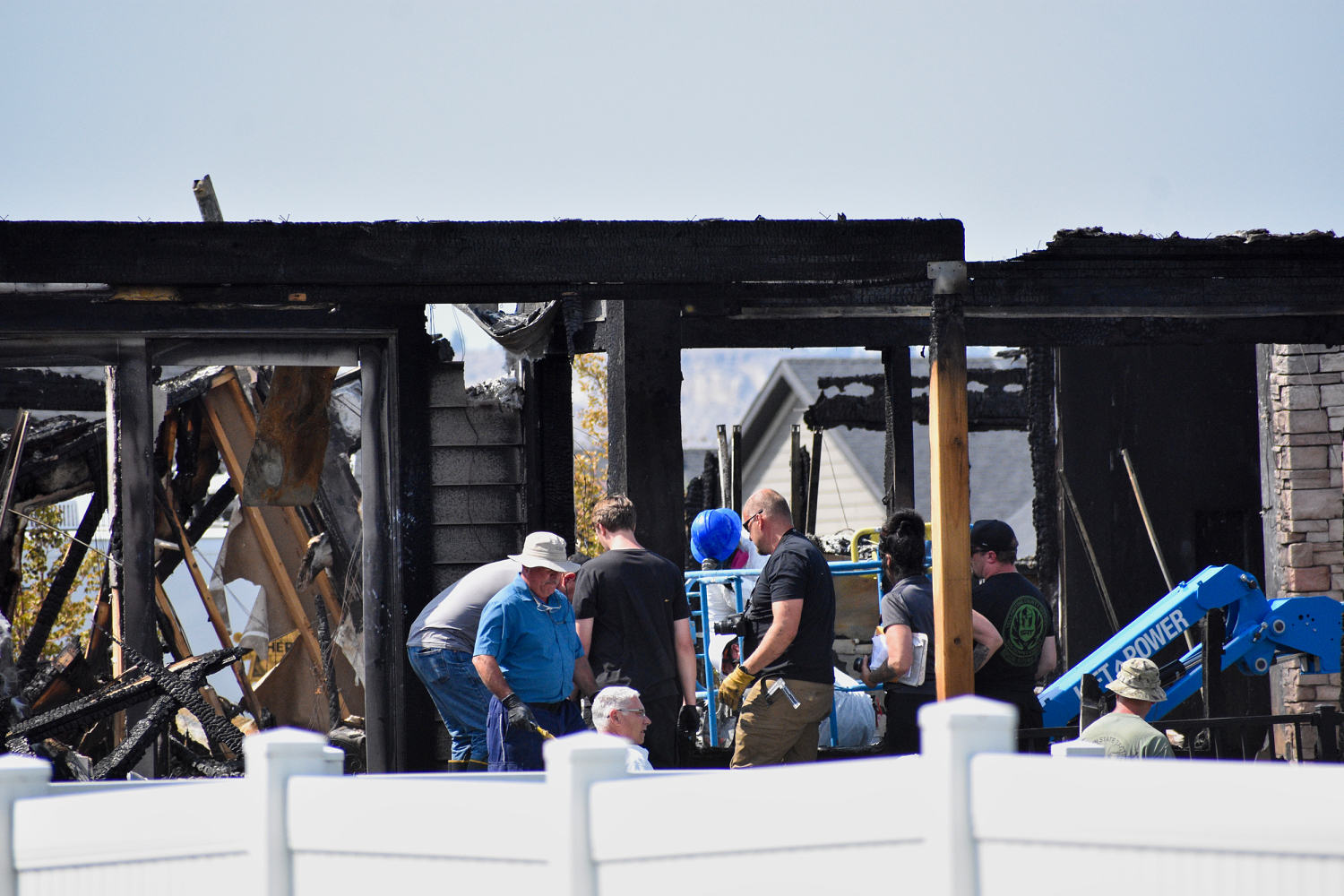
The front door is heavier than it looks.
Wood and deadbolts and paint layered thick over decades of slamming shut and swinging open. To the people standing on the outside, it is simply an entryway. To the people lingering in the hallway, packed cardboard boxes stacked against the floral wallpaper, it is a boundary line drawn in blood and patience.
We talk about home as a safe haven. We write songs about it. We paint watercolors of cozy porches and yellow lights glowing through kitchen panes. But anyone who has ever had to pack a duffel bag at thirty years old, staring down at a mother who no longer recognizes the stranger pacing her carpet, knows the truth. Home can become a pressure cooker.
A Montana living room. Afternoon light slanting through venetian blinds, cutting long, dusty stripes across the rug. Voices raised, then dropping to that flat, terrifying hum that precedes an explosion. The argument was old. It had been rehearsed a thousand times, chipped away at until the raw nerves were exposed to the air.
Leave.
Just go.
Go where?
Silence. The kind that makes your ears ring.
(Note: While the specific internal dialogue of that afternoon belongs to the realm of human deduction based on police reports, the sequence of events is starkly verified. A father and mother telling their thirty-year-old son, Ian Jeffrey Kuschel, that his time under their roof had expired. The request to pack up. The bags by the door.)
The Anatomy of a Breaking Point
Human beings are not designed to live in perpetual stasis. When a thirty-year-old adult child remains tethered to the domestic architecture of their childhood bedroom, something in the social machinery begins to grind against the grain.
Psychologists call it failure to launch. It sounds clinical. Sterile. Like a rocket sitting on a launchpad with a damp fuse. But live through it, or watch it happen across the dinner table of friends down the street, and you know it has nothing to do with rockets. It has to do with gravity.
The parents in that Montana home had carried that gravity for decades. Mortgage payments, grocery bills, the quiet erosion of their own retirement years swallowed up by the endless, circular motions of a household that refused to uncouple. Every morning was a repetition. Every evening was an interrogation of missed potential.
And then came the breaking point.
The demand to leave is rarely sudden. It is a slow leak in a tire that goes ignored until the rim is scraping against the asphalt. It builds in the quiet spaces between breakfast and lunch. It festers in the look a mother gives her husband across the kitchen island when the basement stairs creak.
He didn't want to leave.
Of course he didn't. Leaving means admitting defeat. Leaving means stepping out into a housing market that treats human beings like commodities, into an economy that laughs at the idea of a living wage for entry-level work, into a world that demands you be a self-sufficient island when you feel more like a sinking ship.
When Words Fail
Consider what happens next.
The packing bags are zipped. Or maybe they aren't. Maybe they are just sitting there, half-filled with wrinkled hoodies and old textbooks from community college classes that ended five years ago.
The father stands by the threshold. His jaw is tight. He has lived a long life, worked hard under the big sky of a state that values rugged independence above almost everything else, and he looks at his son and sees a mirror he wishes would shatter.
The son looks at his father and sees a warden.
In moments like these, language collapses. The vocabulary of domestic dispute runs dry. You can only say "I've had enough" or "You don't understand" so many times before the air gets too thick to breathe.
Guns in Montana are as common as fence posts. They are tools. They are hunting gear, protection against predators, heavy iron pieces resting in closets or gun racks by the back door. They are as mundane as a hammer or a set of jumper cables.
Until they aren't.
When the argument peaked, the transition from words to metal was terrifyingly fast. The reported demand to leave did not spark a conversation about logistics or timelines or couch surfing with friends. It sparked a weapon.
Gunfire inside a suburban home does not sound like it does in the movies. It is not a clean bang. It is a concussive shockwave that rattles the fillings in your teeth. It shreds drywall. It turns familiar heirlooms into shrapnel. It fills the room with the sharp, chemical stench of cordite that instantly overwhelms the scent of floor wax and coffee.
The Long Shadow of the Living Room
We want our news neatly packaged. We want villains and heroes, clear motivations and easy answers. We want to point a finger at the individual and say, There. That is the broken part.
It is easier that way. It lets us close the browser tab and sleep soundly in our own beds, convinced that our own front doors are impervious to the same rot.
But human beings are fragile, complicated creatures living under crushing economic and psychological pressure. When the safety nets of society fray down to a single thread—the aging parents' couch—and even that thread snaps, the resulting violence is rarely about a single argument over chores or rent.
It is the collapse of a universe.
No one died in that specific hallway, thankfully, but the life they all knew evaporated in the span of a single heartbeat. Sirens echoing down a quiet street. Blue and red lights painting the living room ceiling in frantic streaks. Neighbors peering through sheer curtains, whispering behind locked screens.
The bags remain by the door, untouched. The father and mother are left to wander through rooms that suddenly feel far too large and far too quiet. The son is gone, swallowed up by the legal system, traded one enclosed space for another.
The door stays open for the investigators. The wind blows through, cold and unforgiving, stirring the dust motes in the afternoon light.


