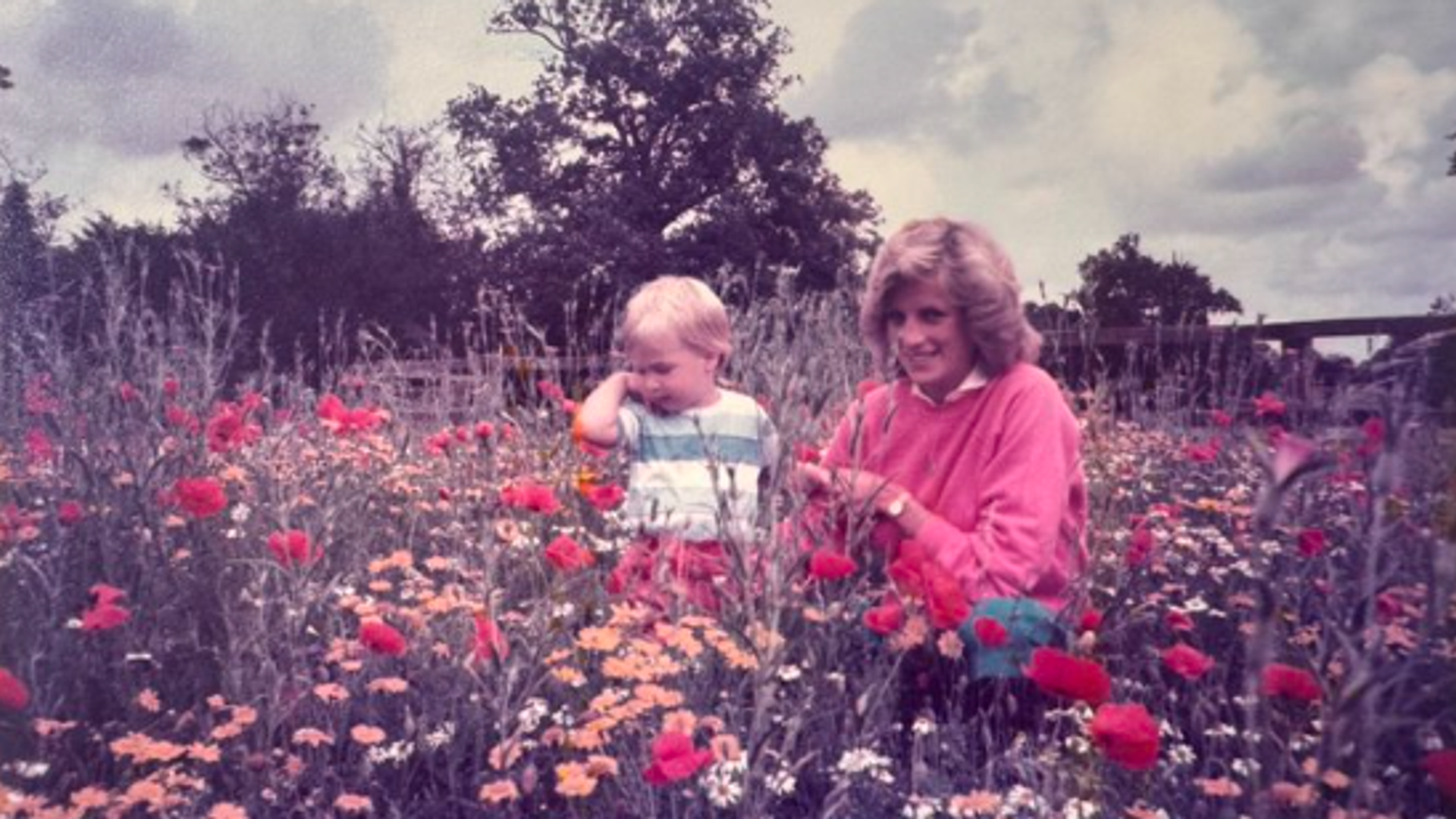
The royal PR machine just dropped another "unseen" photo of Princess Diana. The internet is weeping. The tabloids are hyperventilating. The public is once again caught in the gravitational pull of a carefully curated ghost.
Everyone thinks this is a touching moment of vulnerability from Prince William. They see a son honoring a mother. They see "raw" history.
They are wrong.
This isn't an act of remembrance. It is a calculated deployment of a legacy asset. When the current Firm faces sagging approval ratings, internal friction, or a lack of modern relevance, they break the glass and pull out the Diana card. It works every time because the public refuses to see the machinery behind the sentiment.
The Myth of the Unseen Archive
Let’s stop pretending these photos are accidentally discovered in a dusty shoebox under a bed at Kensington Palace.
The Royal Collection Trust and the private archives of the Prince of Wales are managed with the precision of a Swiss hedge fund. Every frame, every grainy 35mm slide, and every digital file is cataloged, vetted, and embargoed. When an "unseen" photo is released, it has passed through more layers of legal and PR approval than a corporate merger.
The "lazy consensus" suggests this is a spontaneous gesture of connection. In reality, it is a strategic release designed to:
- Humanize the Heir: Remind the public that beneath the medals and the protocol, there is a "normal" person with a "normal" childhood.
- Borrow Moral Capital: Diana remains the most popular royal in history. By tethering his current brand to her image, William absorbs her "People’s Princess" equity without having to adopt her radical unpredictability.
- Drown out Noise: Notice what else was in the news cycle when this photo dropped. The royals don't post nostalgia when things are going perfectly; they post it when they need a shield.
The Architecture of Emotional Manipulation
I have spent years watching how institutional brands use nostalgia to mask structural decay. In the corporate world, we call this "heritage washing." When a company loses its edge, it starts running ads featuring the founder from 1954.
The monarchy is the world’s most successful legacy brand. They don't sell policy. They don't sell products. They sell a feeling of continuity.
By releasing these photos, the Palace exploits a psychological phenomenon known as the Decline Effect. Humans are wired to believe the past was more vibrant, more authentic, and more meaningful than the present. By constantly feeding the public "new" glimpses of the 1980s and 90s, the Palace ensures that the current, more bureaucratic version of the monarchy is viewed through a rose-tinted lens of what it used to represent.
The Problem with the "People Also Ask" Mentality
Look at the typical questions people ask about these releases:
- "Where was the photo taken?"
- "Who took the picture?"
- "What was Diana wearing?"
These are the wrong questions. They focus on the trivia of the image rather than the intent of the publisher. The brutal truth? The content of the photo is irrelevant. It could be a photo of Diana eating a sandwich or riding a bike; the effect is the same. It triggers a dopamine hit of familiarity that bypasses the critical thinking required to evaluate the monarchy’s role in 2026.
We are being trained to consume the royals as a prestige Netflix drama rather than a taxpayer-funded institution. When you engage with the "unseen photo" narrative, you aren't a citizen looking at history; you are a fan looking at promotional stills for a season that ended thirty years ago.
The High Cost of Living in the Past
There is a downside to this strategy that the Palace hasn't fully reckoned with: Legacy Dilution.
If you use your best asset too often, it loses its power. By constantly commodifying Diana’s private moments to bolster the current administration, they risk turning a tragic, complex figure into a generic mascot for "Royal Values."
I’ve seen luxury brands do this. They lean so hard into their "iconic" past that they forget to innovate. Eventually, the youth market looks at the old photos and sees a museum, not a movement. William is walking a razor-thin line. If he leans too hard into being "Diana’s son," he fails to establish himself as "William the King." He becomes a tribute act in his own palace.
Stop Falling for the Script
The next time a "rare" or "never-before-seen" image of a deceased royal hits your feed, don't hit the like button. Ask why you’re seeing it now.
Is there a controversial bill in Parliament? Is there a rift in the family that needs smoothing over? Is the public starting to ask uncomfortable questions about the cost of the Sovereign Grant?
Nostalgia is the ultimate anesthetic. It numbs the present by glorifying a past that never truly existed in the way we remember it. The monarchy knows this. They are betting on your sentimentality to keep them in business.
Don't give them the satisfaction of your tears. Recognize the image for what it is: a tactical distraction wrapped in a sepia-toned lie.
Stop mourning the ghost and start scrutinizing the machine.