Israel's security establishment is fractured. It isn't just about tactical disagreements or budget cuts anymore. When four of the most decorated former high-ranking officers in the Israeli Defense Forces (IDF) use the word "pogrom" to describe the actions of their own citizens, the conversation shifts from politics to a crisis of national identity. These aren't campus activists or international observers. These are the men who spent decades commanding the very troops now caught between the law and the settlers.
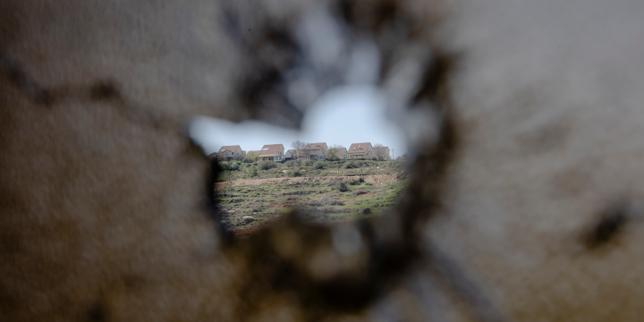
The alarm they're sounding isn't new, but the intensity is. The recent wave of violence in the West Bank, specifically targeting Palestinian villages like Jit and Huwara, has pushed these veterans to a breaking point. They're watching the moral fabric of the military they led unravel in real-time. It’s a messy, violent reality that many prefer to ignore.
Why the Word Pogrom Matters
Using the term "pogrom" in an Israeli context is a deliberate, painful choice. It carries the weight of Jewish history, invoking the state-sponsored or tolerated anti-Semitic massacres of Eastern Europe. When former generals like Ami Ayalon or Tamir Pardo use it, they aren't being hyperbolic. They're making a direct accusation: the state is either unable or unwilling to stop its own citizens from terrorizing another population.
This isn't just about a few "bad apples" or bored teenagers throwing stones. We're talking about organized, often masked groups descending on villages, burning homes, and destroying livelihoods. The generals argue that the lack of prosecution and the slow response from the IDF effectively signal state approval. If you don't stop a fire, you're helping it burn.
The High Cost of Military Silence
The IDF finds itself in an impossible position. Soldiers are trained to fight wars against enemy armies or organized terror groups. They aren't always trained—or mentally prepared—to arrest Israeli civilians. When a settler attacks a Palestinian village, the soldier on the ground often stands by. Sometimes it's confusion. Sometimes it's a lack of clear orders. Other times, it's a shared ideology.
The four generals point to a dangerous erosion of the chain of command. If a soldier sees a settler attacking a Palestinian and does nothing, the rule of law dies right there on the dusty road. This creates a vacuum. Palestinians, seeing no protection from the IDF, may turn to armed resistance. Settlers, seeing no consequences, grow bolder. The cycle is predictable and deadly.
The Political Shield
You can't talk about settler violence without talking about the current cabinet. Ministers like Itamar Ben-Gvir and Bezalel Smotrich have fundamentally changed the dynamic. They don't just represent the settler movement; they are the movement. When the people in charge of the police and civil administration in the West Bank are the same people who have historically supported radical settlement expansion, the "pogroms" stop looking like accidents.
These generals argue that the political leadership has effectively tied the hands of the security forces. It’s a systemic failure. The police are hesitant to open investigations. The army is hesitant to intervene. This isn't a lapse in judgment. It's a policy.
Security vs Ideology
The core of the generals' argument is that this violence actually makes Israel less safe. That’s the irony. The settler movement often claims it provides a "human shield" for the heart of the country. But the former heads of Shin Bet and the Mossad see it differently. They see a massive diversion of resources.
Every time a riot breaks out in the West Bank, battalions are moved away from the borders with Lebanon or Gaza to keep the peace—or simply to stand between two angry populations. It’s a drain on intelligence, manpower, and international legitimacy. By allowing these "pogroms" to continue, Israel is burning its diplomatic capital at a time when it needs it most.
The Breakdown of the Social Contract
Israel was founded on the idea of being a refuge and a state governed by laws. When the state loses its monopoly on the use of force, it loses its way. The generals aren't just worried about Palestinians; they're worried about the soul of Israel. They see a future where "wildcat" outposts and vigilante justice become the norm, rendering the central government irrelevant.
The military thrives on clarity. It needs a clear enemy and a clear mission. Right now, the mission in the West Bank is a blur of policing, defending, and occasionally ignoring crimes. For a high-ranking officer, watching the IDF become a partisan tool is the ultimate nightmare. They've seen how this ends in other countries. It ends with the collapse of the military's status as a "people's army."
What Needs to Change Immediately
Fixing this isn't about more meetings or strongly worded statements. It requires a hard pivot. The generals have called for several concrete steps that the current government is largely ignoring:
- Strict Enforcement: Arrests must lead to indictments. Right now, the "conviction rate" for settler violence is laughably low.
- Clear Rules of Engagement: Soldiers need to know they have the authority—and the obligation—to stop any civilian violence, regardless of the perpetrator's nationality.
- Removal of Illegal Outposts: These small, unauthorized hilltops are often the breeding grounds for the most radical elements.
- Depoliticizing Security: Security decisions in the West Bank should be made by professional commanders, not ministers with a clear territorial agenda.
The situation is past the point of gentle reminders. The testimony of these four generals serves as a final warning. They’ve spent their lives defending the borders of the state. Now, they're trying to defend it from its own internal shadows.
If the Israeli public doesn't demand accountability, the label of "pogrom" won't just be a historical comparison. It will be the defining characteristic of the West Bank reality. The next step is simple: watch the arrest records. If the perpetrators of the next village raid aren't in handcuffs by morning, you know exactly where the government stands. Demand transparency from the Ministry of National Security and hold the IDF spokesperson to a higher standard of truth when these "clashes" occur. It's time to stop calling it "unrest" and start calling it what the generals do.