The belief that you can bomb your way to a lasting peace is a dangerous fantasy. We've seen it play out in the rubble of Gaza and the precision strikes across the Iranian plateau. One side flexes its muscles, the other retreats to lick its wounds, and the cycle resets. It's a classic case of the "policy of the strongest." It feels like a win in the short term. It looks great on a televised briefing. But it never actually settles the score.
When a state relies solely on its ability to inflict pain, it creates a vacuum where trust and rules should be. You can force an opponent to stop firing for a week, a month, or even a year. That’s not de-escalation. That’s just a pause while everyone reloads. The current regional chaos proves that while a lopsided balance of power can dictate terms, it can't build a foundation for anyone to actually live on.
The Illusion of the Quick Fix
Most people think a decisive military blow ends a conflict. History tells a different story. In the Middle East, "decisive" is a word used by generals who haven't looked at the long-term data. When Israel targets leadership in Gaza or strikes military infrastructure in Iran, they're operating on a logic of immediate deterrence. They want to make the cost of resistance so high that the other side simply quits.
It doesn't work that way. In fact, it often does the opposite.
High-pressure military tactics without a political off-ramp usually radicalize the next generation. We’re seeing this in real-time. A 2024 report by the International Crisis Group noted that military dominance without diplomatic engagement creates a "perpetual war" state. You aren't solving a problem. You're just managing it with explosives.
Why Strength Doesn't Equal Stability
Think about how rules work in any other part of life. You follow the speed limit because there’s a collective agreement and a predictable consequence. In the current standoff between Iran and its rivals, there are no rules. There's only the limit of what one side can get away with before the other retaliates.
When you remove the "rules of the game," you enter a world of pure chaos. In this environment, every action is an experiment in how much blood can be spilled before a full-scale war breaks out. It’s a terrifying way to run a region. Iran’s "Axis of Resistance" and the Israeli "Mowing the Grass" strategy are two sides of the same coin. Both sides believe that if they just hit a little harder, the other will finally cave. They’re both wrong.
The Trust Deficit and the Gaza Reality
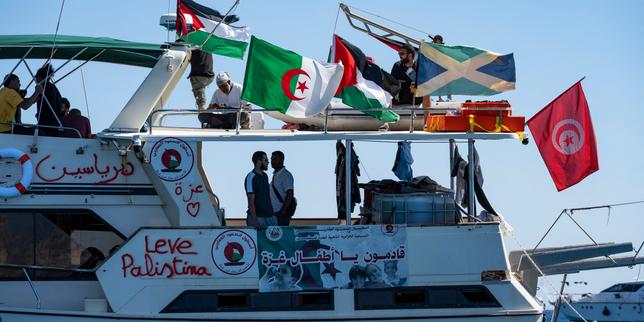
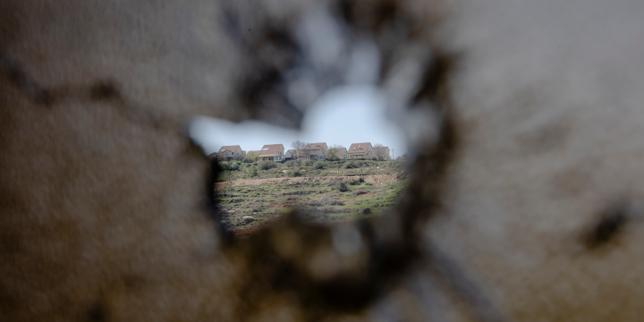
Gaza is the most extreme example of this failure. Decades of blockade and periodic wars haven't brought security to southern Israel. They haven't brought dignity or safety to Palestinians either. It’s a stalemate of misery.
If military power were the answer, Gaza would have been a solved problem thirty years ago. Instead, the reliance on force has eroded any chance of a moderate leadership emerging. When you destroy the civil fabric of a society, you don't get a pro-Western democracy. You get a desperate population with nothing left to lose.
- Deterrence is temporary. It's like a drug; you need higher and higher doses to get the same effect.
- Rules require two players. You can't have "rules of engagement" if you refuse to acknowledge the other side's right to exist or their basic grievances.
- Force is expensive. Not just in money, but in moral capital and long-term security.
The Iranian Calculation
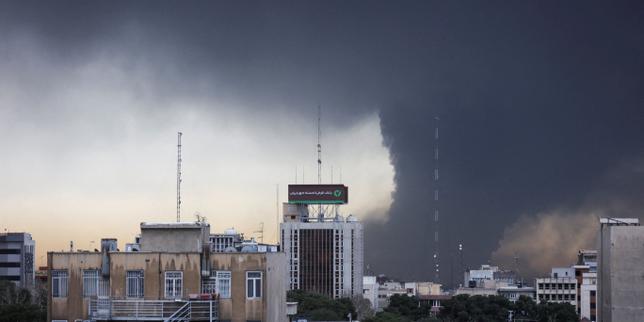
Iran plays the same game, just on a different board. By using proxies and asymmetrical warfare, Tehran tries to project power far beyond its borders. They think this protects them from a direct invasion. In reality, it keeps them in a state of permanent pariah status.
Their strategy of "strategic patience" combined with sudden bursts of violence doesn't create security for the Iranian people. It keeps the regime in power while the economy rots. Just like their adversaries, the Iranian leadership is obsessed with the rapport de force—the power dynamic. They don't care about de-escalation because they don't believe the other side is capable of it.
Moving Beyond the Hammer
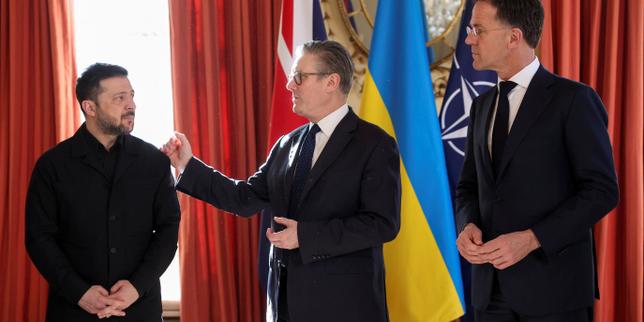
If your only tool is a hammer, every problem looks like a nail. Right now, the Middle East is full of hammers and very few architects. True de-escalation requires something much harder than launching a missile: it requires talking to people you hate.
It sounds soft. It sounds like "appeasement" to the hawks. But look at the Abraham Accords or the 1979 peace treaty between Egypt and Israel. Those weren't built on one side crushing the other into the dirt. They were built on the realization that the cost of war had become higher than the cost of compromise.
What Real De-escalation Looks Like
Real de-escalation isn't a ceasefire. A ceasefire is just a nap. Real de-escalation involves:
- Establishing Red Lines. Not the vague political kind, but clear, communicated boundaries that both sides understand.
- Opening Back Channels. Even during the Cold War, the US and the Soviets had a red phone. Today, the lines are often silent until the bombs start falling.
- Addressing the Root Causes. You can't ignore the Palestinian quest for statehood or Iran's desire for regional influence and expect them to just go away.
The Strategy of the Long Game
We need to stop rewarding the "strongman" approach. It's a failed model that has produced nothing but cemeteries and debt. If you want to actually change the trajectory of the region, the focus has to shift from "how do we win the next 24 hours" to "how do we survive the next 24 years."
Stop thinking of security as something you take from your neighbor. Think of it as something you build with them, even if you don't like them. It’s not about being nice. It’s about being smart.
Start by demanding more than just "victory" from political leaders. Demand a plan for what happens the day after the bombing stops. If they don't have one, they aren't leading. They're just reacting. Look for the organizations working on track-two diplomacy and regional economic integration. Those are the people actually building a future, while the guys with the missiles are just rearranging the ruins. Follow the work of groups like the International Crisis Group or the Middle East Institute to see where the real conversations are happening. That's where the rules of the game will finally be written.