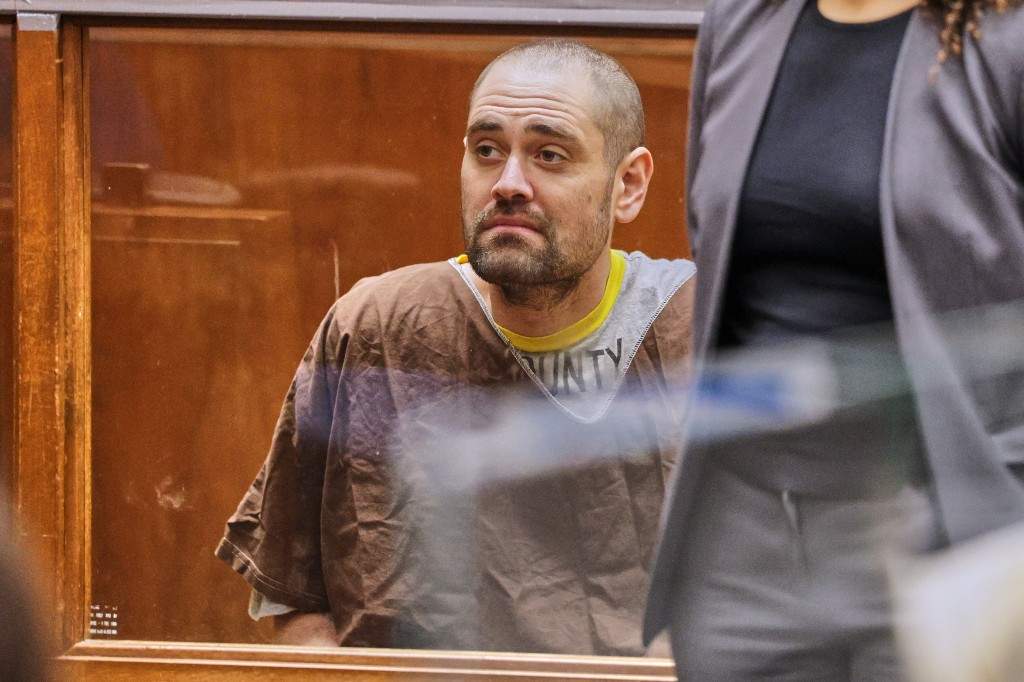
The postponement of the Nick Reiner murder case to September represents more than a routine scheduling adjustment; it is a manifestation of the structural friction inherent in the American capital litigation process. When a high-profile homicide case enters the judicial system, it is immediately subjected to a series of procedural gatekeeping mechanisms designed to balance the state’s pursuit of a conviction against the constitutional requirements of due process. This delay serves as a strategic pause where the defense and prosecution engage in a resource-heavy exchange of discovery, expert testimony preparation, and pre-trial motions. To understand the trajectory of the Reiner case, one must deconstruct the specific bottlenecks that dictate the timeline of the California criminal justice system.
The Triad of Procedural Deceleration
The postponement of a trial date is rarely the result of a single factor. Instead, it is the product of three distinct operational pressures that force the court to extend its timeline.
1. Discovery Saturation and Digital Forensics
In modern homicide investigations, the volume of evidence is no longer measured in boxes of paperwork, but in terabytes of digital data. This includes geofencing data, cellular records, surveillance footage from private and public networks, and social media footprints. The "Brady obligation" requires the prosecution to turn over all exculpatory evidence to the defense. The sheer scale of this data creates a bottleneck. Defense counsel must not only receive this information but must also employ independent forensic analysts to verify the integrity of the data and seek out anomalies. If the defense can demonstrate that they have not had "reasonable time" to digest the discovery, a judge is legally compelled to grant a continuance to avoid an eventual appeal based on ineffective assistance of counsel.
2. The Expert Witness Arms Race
Murder trials are increasingly won or lost on the testimony of specialists rather than eyewitnesses. In the Reiner case, the delay until September likely facilitates the scheduling of high-demand experts in fields such as:
- Ballistics and Toolmark Analysis: Establishing the specific physics of the crime scene.
- Forensic Pathology: Contesting or confirming the medical examiner’s findings regarding the time and manner of death.
- Psychological Evaluation: Assessing the defendant’s mental state at the time of the offense, which is a critical component for determining intent and potential sentencing mitigation.
Securing these experts, allowing them to conduct independent laboratory testing, and integrating their findings into a cohesive trial strategy takes months, not weeks.
3. Pre-trial Motion Practice
The window between an arraignment and a trial is a period of intense legal maneuvering. Defense teams use this time to file motions to suppress evidence, arguing that certain items were obtained via unlawful search and seizure. They may also file motions to dismiss specific charges based on a lack of probable cause. Each motion requires a separate hearing, written briefs, and a judicial ruling. The court’s calendar must absorb these sub-proceedings before the main trial can commence.
The Economics of Judicial Resource Allocation
The delay in the Reiner case highlights the scarcity of judicial resources. The Los Angeles County court system operates under a persistent backlog, exacerbated by the prioritization of "speedy trial" mandates for defendants who remain in custody versus those on bail.
The court must manage a "weighted caseload" system. A murder case requires a specialized judge, a specific courtroom equipped for high-security proceedings, and a jury pool that can be vetted for a lengthy trial. When a case is pushed to September, it is often because that is the first available "slot" where the court can guarantee the consecutive weeks required for a full trial without interruption.
The Strategic Function of the "September Window"
For the defense, time is a tactical asset. As the clock stretches between the incident and the trial, several variables begin to shift in favor of the accused:
- Witness Degradation: Human memory is a perishable commodity. Over time, the certainty of eyewitness accounts tends to erode, making them easier to challenge during cross-examination.
- Prosecutorial Attrition: Staffing changes within the District Attorney’s office can lead to a "handoff" of the case, which often results in a less intimate knowledge of the evidence by the lead prosecutor.
- Media Cooling: The intense public scrutiny that accompanies an initial arrest typically dissipates over time. A trial held months or years later may benefit from a more neutral jury pool that has not been saturated with early, biased reporting.
Conversely, the prosecution uses this time to "harden" their case. They utilize the delay to flip secondary witnesses, secure cooperation through plea deals in related matters, and refine their narrative to withstand the inevitable defense counter-arguments.
Statutory Constraints and the Right to a Speedy Trial
The Sixth Amendment provides the right to a speedy trial, yet this right is frequently waived by the defendant. In the Reiner proceedings, the delay is almost certainly a "waived time" scenario. By agreeing to a September date, the defense explicitly tells the court that they value preparation over speed.
The legal standard for these delays is governed by a balancing test:
- The length of the delay.
- The reason for the delay.
- The defendant’s assertion of their right.
- The prejudice to the defendant.
Since the defense is typically the party requesting or consenting to the continuance to ensure a robust defense, the court finds no constitutional violation. This creates a feedback loop where complex cases naturally gravitate toward long-term delays.
The Victim’s Rights and the "Marsy’s Law" Variable
While the defendant’s rights often dictate the timeline, California’s "Marsy’s Law" provides victims and their families with the right to a "speedy conclusion" of the case. This creates a tension within the courtroom. The judge must weigh the victim’s right to closure against the defendant’s right to a fair trial. In capital cases, the right to a fair trial almost always takes precedence, as a rushed proceeding that results in a vacated conviction on appeal is considered the worst possible outcome for all parties involved.
The September date is not a finality but a target. If new evidence emerges or if a key expert becomes unavailable, the cycle of continuances may reset. The structural reality of the Reiner case is that the legal system is designed for precision, not velocity.
To navigate the upcoming September proceedings, observers must monitor the "Motion to Suppress" filings. These documents will serve as the most accurate barometer for the strength of the prosecution’s physical evidence. If the defense fails to invalidate key forensic links during the summer months, the pressure to enter a plea agreement will increase significantly as the trial date approaches. The strategic move for the defense now is to maximize the discovery period to find a single point of failure in the state’s chain of custody or forensic logic.