The air in the Alleghany Highlands doesn't just get cold; it turns sharp. It’s the kind of chill that settles into the floorboards of century-old houses and makes the wood groan. In a town like Iron Gate, Virginia—a tiny wedge of land where the Jackson and Cowpasture rivers collide—the silence is usually a heavy, comforting blanket. You expect the distant hum of the interstate or the rhythmic clatter of the CSX tracks. You don’t expect the sound of twisting metal.
When the train jumped the tracks on a Friday night, the sound tore through the valley like a physical blow. Steel cars, weighed down with the industrial skeleton of the American supply chain, buckled and groaned. For the residents of this town of roughly 300 people, a derailment isn't just a news headline or a logistical delay. It is an existential threat. One spark, one ruptured tank of something toxic, and the map of Virginia gets a little smaller.
But as the flashing blue lights of emergency vehicles began to cut through the mountain mist, the real story wasn't the wreckage on the tracks. It was the man who arrived to "save" the day.
The Weight of the Gavel
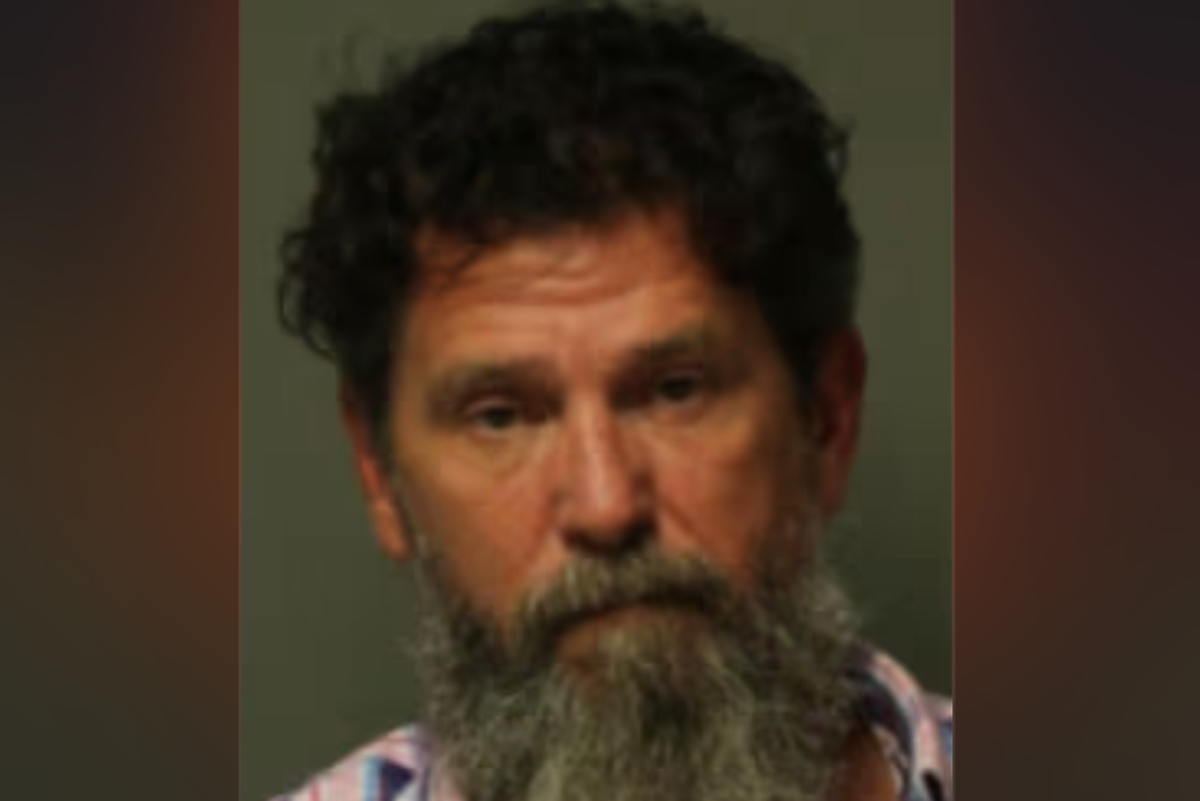
Gary Wade isn’t just a name on a ballot. In a town the size of Iron Gate, the mayor is someone you see at the grocery store, someone whose family history is etched into the same graveyard as yours. Being the mayor of a tiny Appalachian town is a role of immense, albeit quiet, dignity. You are the steward of the peace. When the sirens wail at 2:00 AM, the town looks to you to be the steady hand on the tiller.
Imagine the volunteer firefighters, men and women who had jumped out of warm beds, standing in the mud by the tracks. They are assessing the damage, checking for leaks, and praying the cargo isn't volatile. They are doing the hard, sober work of first responders. Then, through the chaos, appears the Mayor.
He didn't arrive with a clipboard or a plan. According to state police reports, Mayor Gary Wade arrived with the heavy, unmistakable scent of alcohol and a gait that didn't match the urgency of the moment.
A Collision of Roles
There is a specific kind of betrayal that happens when a leader fails in a moment of crisis. It’s not the same as a corporate executive fudging a spreadsheet or a celebrity caught in a scandal. This is visceral.
The scene was a nightmare of logistics. CSX crews were scrambling. State police were establishing a perimeter. The derailment had occurred near the 100 block of 10th Street, a stone’s throw from where people sleep. In that high-stakes environment, the Mayor of the town allegedly crossed the police line. He wasn't there to assist; he was there, according to witnesses and subsequent charges, in a state of advanced intoxication.
The irony is as thick as the river fog. A train derails because something in the system broke—a rail fatigued, a wheel failed, a mechanical law was violated. A leader "derails" for much more complicated, human reasons.
The police didn't see a dignitary. They saw a man who was a danger to himself and a hindrance to a delicate recovery operation. They saw a man who, when asked to step back, couldn't quite find the equilibrium to do so. The arrest wasn't just a legal necessity; it was a mercy to the town’s dignity.
The Invisible Stakes of Small Town Life
We often think of power in terms of Washington D.C. or Wall Street, but the most intimate form of power is local. In Iron Gate, the Mayor oversees the water you drink and the streets your children walk on. When that person shows up to a disaster scene—a scene where lives are literally on the line—and they are "under the influence," the social contract doesn't just bend. It snaps.
Consider the perspective of a hypothetical resident, let's call her Martha. Martha has lived on 10th Street for forty years. She felt her house shake when the cars left the rails. She ran to her porch, clutching a robe, watching the chaos unfold. She sees the Mayor’s car pull up. For a second, she feels a surge of relief. The authorities are here. Someone is in charge.
Then she sees him stumble. She sees the state trooper put a hand on his shoulder, not in greeting, but in restraint. The person meant to be the avatar of the town's resilience has become the town's biggest liability.
Wade was charged with public intoxication and obstruction of justice. These aren't just line items on a court docket. They are the official record of a man who forgot that his private demons have no place in the public’s darkest hour.
The Morning After the Wreckage
By the time the sun rose over the ridges, the immediate danger of the derailment had passed. The cars were being righted. The tracks were being inspected. But the cultural wreckage in Iron Gate was just beginning to be cleared.
The story went viral, as these things do. People in New York and Los Angeles laughed at the "drunk small-town mayor" headline. It became a punchline for a news cycle, a quirky "kicker" story to end a broadcast. But for the people who actually live between the Jackson and the Cowpasture rivers, there is nothing funny about it.
They are left to wonder: Who is looking out for us? If the person we elected to lead us can’t stay sober for a train wreck, who is checking the water pressure? Who is negotiating the budget? Who is representing our interests when the big railroad companies come to town to talk about liability?
The tragedy of the Iron Gate derailment isn't the steel on the ground. It’s the realization that the institutions we build to keep us safe are only as strong as the people we put inside them. A town can survive a train jumping the tracks. It’s much harder to survive the collapse of trust.
As the heavy machinery moved in to haul away the mangled boxcars, the silence returned to the valley. But it was a different kind of silence. It was the quiet, holding-your-breath stillness of a community waiting to see if their leader will apologize, or if they will simply have to find a new way to carry on without him.
The tracks will be fixed by Monday. The reputation of a town takes much longer to weld back together.