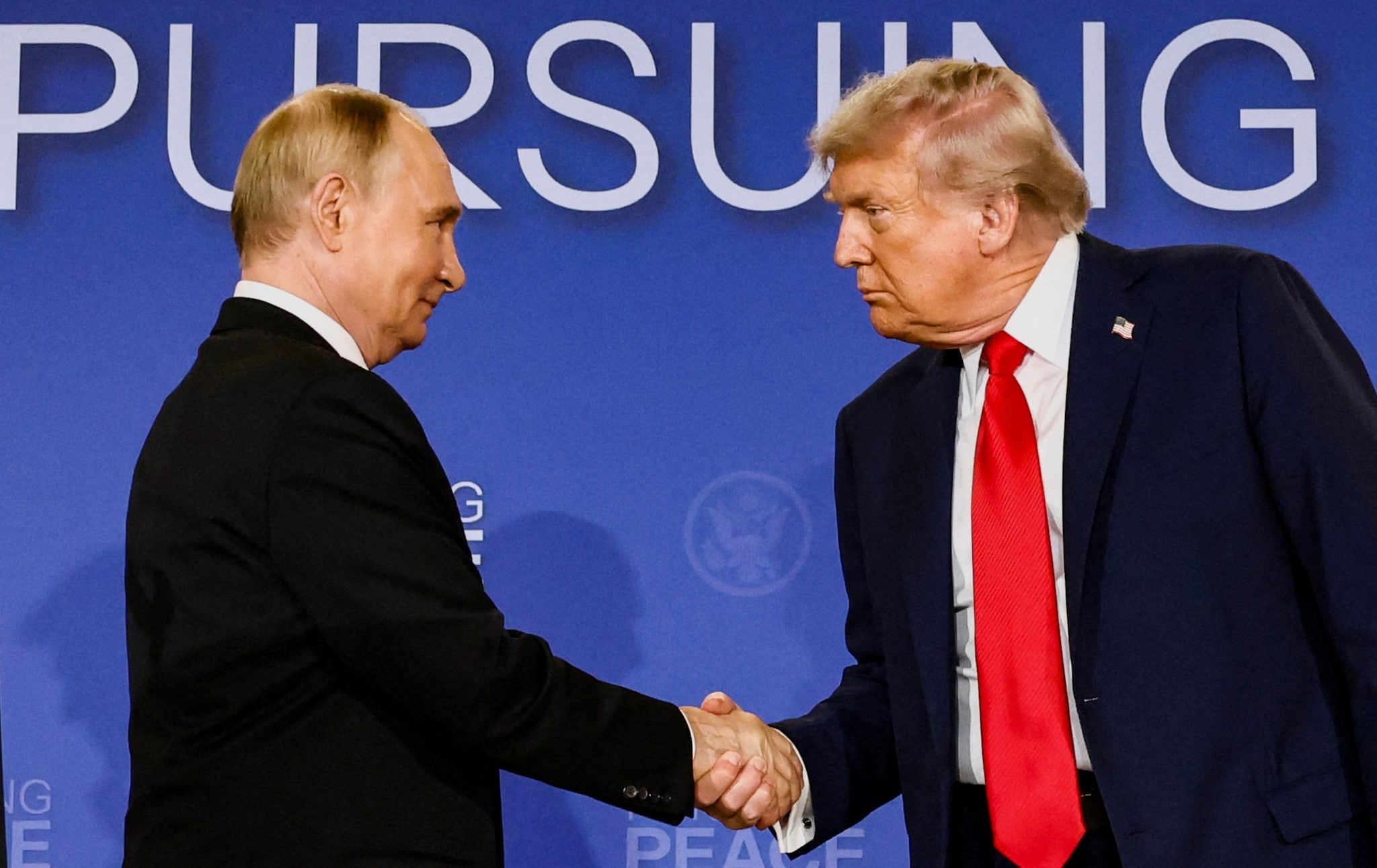
Ninety minutes of dialogue between Donald Trump and Vladimir Putin isn't a diplomatic breakthrough. It is a market signal wrapped in a security blanket. While the mainstream press salivates over the optics of a "historic" ceasefire discussion regarding Ukraine and Iran, they are missing the mechanical reality of how global power actually shifts. A phone call doesn’t stop a war of attrition; it merely reprices the cost of the next bullet.
The "lazy consensus" suggests that these two men hold the keys to a global reset. The narrative assumes that a "deal-maker" personality can override the industrial-military momentum of two years of entrenched conflict. It’s a comforting thought for those who want to believe the world is run by a few guys in a room. It’s also completely wrong.
The Ceasefire Trap
Ceasefires are not peace. In the context of the Ukraine-Russia theater, a ceasefire is a tactical pause for rearmament. When the media reports on "closer economic ties" being discussed alongside a halt in hostilities, they are describing a hostage situation, not a partnership.
I have spent years analyzing how autocratic regimes use diplomatic "cool-down" periods to bypass supply chain bottlenecks. Putin doesn't want peace; he wants a lower burn rate for his T-90 tanks while he waits for Western political willpower to dissolve. Trump, ever the transactionalist, views the conflict through the lens of a balance sheet. He sees billions of dollars in "sunk costs" and wants to stop the bleeding.
But geopolitical stability isn't an accounting exercise. You cannot simply "off-ramp" a conflict where both sides view their survival as the only acceptable outcome. By treating the Ukraine war as a simple real estate dispute that can be settled over a long-distance call, the current discourse ignores the structural necessity of the military-industrial complex in both Russia and the United States.
The Iran Miscalculation
The mention of Iran in this 90-minute marathon is the real tell. The consensus view is that Russia can act as a "stabilizing" influence or a mediator for Iranian ambitions in exchange for Western concessions. This is a fundamental misunderstanding of the Moscow-Tehran axis.
Russia and Iran are not "partners" in the Western sense of the word. They are competitors in the global energy market who have formed a marriage of convenience to undermine the dollar-based trade system. To think Putin will "reign in" Iran because of a phone call from Mar-a-Lago is to ignore the $1.7 billion drone factory in Tatarstan. Russia needs Iranian tech as much as Iran needs Russian diplomatic cover at the UN.
The idea that Trump can "flip" Russia against Iran is a 1970s Kissinger move being applied to a 2026 reality. It won't work because the incentives have changed. Russia’s pivot to the Global South and the East is no longer a temporary hedge; it is a permanent structural shift.
The Myth of "Closer Economic Ties"
Let’s talk about the "economic ties" mentioned in the briefings. This is the biggest red herring of the entire news cycle. The Russian economy has been systematically de-Westernized. The infrastructure for "closer ties" with the U.S.—swift codes, insurance markets, banking pipelines—has been scorched.
You don't just "turn back on" an economic relationship with a sanctioned superpower. Any CEO who tells you they are ready to re-enter the Russian market the moment a ceasefire is signed is either lying or hasn't talked to their compliance department.
- Sanction Inertia: Even if Trump wanted to lift sanctions via executive order, the legislative "poison pills" baked into U.S. law make it a bureaucratic nightmare.
- Capital Flight: $250 billion has left Russia. That money isn't coming back because of a 90-minute phone call.
- Trust Deficit: International markets prize predictability over "deals." A volatile peace is often more expensive for business than a predictable war.
Stop Asking if They Can Make a Deal
People keep asking: "Can Trump and Putin actually bring peace?"
This is the wrong question. The right question is: "Who profits if the war moves from the battlefield to the grey zone?"
A ceasefire doesn't end the struggle; it moves it into the realm of cyber warfare, currency manipulation, and sabotage. If you are a business leader or an investor waiting for "stability" to return after this call, you are going to be liquidated. We are entering an era of "Permanent Friction."
Imagine a scenario where a ceasefire is signed tomorrow. Russia retains the Donbas. Ukraine gets "security guarantees" that stop short of NATO membership. Does the risk profile of Eastern Europe go down? No. It goes up. You now have a heavily armed, aggrieved Ukraine and a sanctioned, militarized Russia sitting on a hair-trigger.
The Brutal Truth of the "90-Minute Call"
The call was a performance. It was designed to tell the European Union that their input is optional. It was designed to tell Beijing that there is a second option on the table. And most importantly, it was designed to convince the American public that complex historical grievances can be solved with "alpha" energy.
The hard truth is that Russia’s economy is now a war economy. If Putin stops the war, he has to deal with millions of returning soldiers and a manufacturing sector that has no civilian output. He needs the conflict, even if it’s at a lower intensity.
Trump’s "America First" doctrine isn't about ending wars for the sake of humanity; it’s about reducing the U.S. overhead. If he can outsource the "security" of the region to a messy, unstable local arrangement, he will. But don't confuse that with a solution. It’s a hand-off.
The media wants you to believe we are at the beginning of the end. In reality, we are just seeing the rebranding of a multi-decade struggle. The geography of the conflict might change, but the underlying math remains the same.
Stop looking for a hero or a villain in a transcript. Start looking at the grain shipments, the semiconductor black markets, and the artillery production rates. That’s where the real conversation is happening. The rest is just noise for the 24-hour news cycle.
If you’re betting on a "return to normal," you’ve already lost. Normal died in 2022, and no amount of "90-minute calls" will resurrect it. The world isn't being fixed; it’s being partitioned.
Get used to the cold.