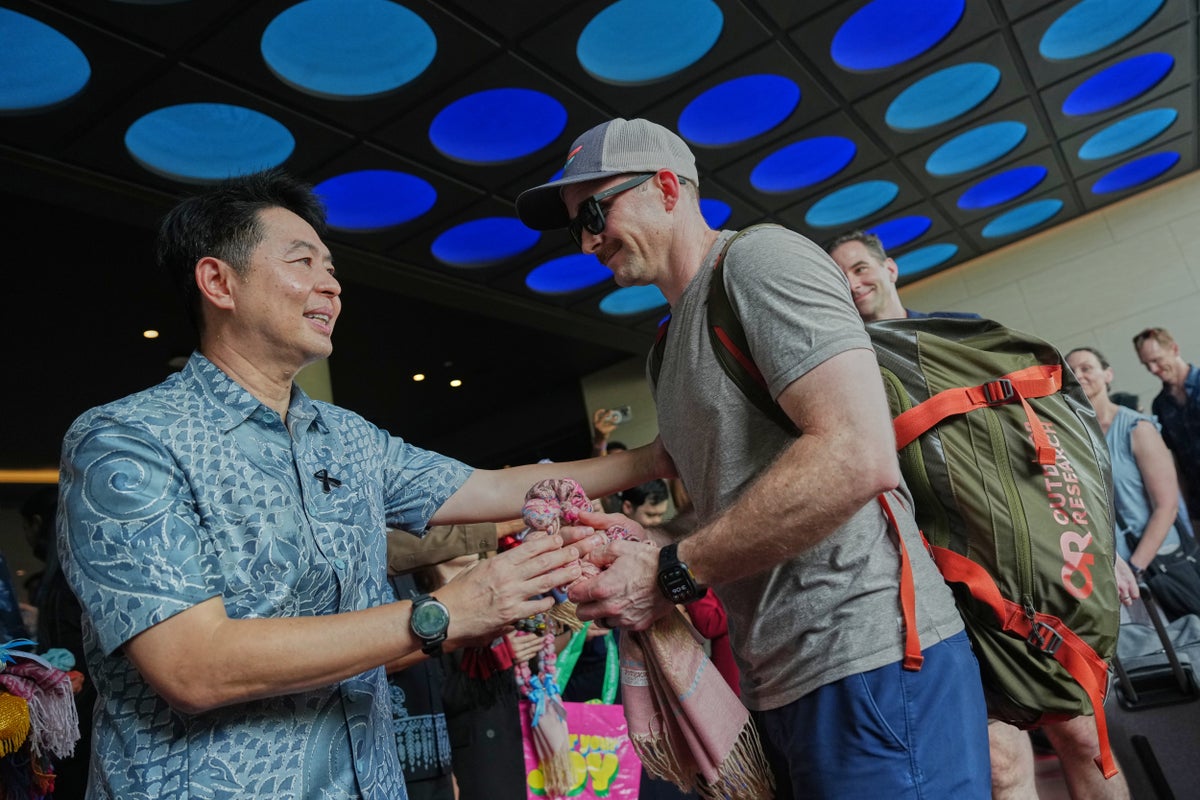
For months, the flight deck of the USS Abraham Lincoln served as a floating airport trapped in an endless loop of maritime security patrols. Sailors and aviators worked grueling hours under a relentless sun, sustaining flight operations without a meaningful break from the steel-plated monotony of the carrier strike group. Morale aboard a nuclear-powered aircraft carrier does not erode all at once. It wears down slowly, measured in missed holidays, canceled mail deliveries, and the quiet psychological toll of floating miles offshore without a glimpse of land. When the ship finally cut its engines off the coast of Thailand, the psychological pressure valve was overdue for a release.
Port calls are not merely vacations for weary sailors. They are essential operational resets for the United States Navy.
The Anatomy of an Operational Pause
Logistical replenishment at sea keeps a carrier moving, but it cannot restore the human element. Fresh water, dry provisions, and mail drop off points satisfy basic physical requirements, yet they do little to combat the compounding fatigue of deployment extensions. Surface warfare and carrier aviation demand intense cognitive focus. When crews are denied shore leave for extended periods, error rates climb, and retention metrics begin to slide in ways that personnel commands struggle to reverse years later.
Commanders balance geopolitical urgency against the mental health of their crews every single day. A carrier strike group represents projection of power, deterrence, and rapid response capability in volatile regions. Taking a billion-dollar warship out of an active patrol posture to pull into a commercial port introduces security vulnerabilities and logistical hurdles. Host nation clearances, fuel arrangements, tugboat availability, and security perimeters require complex diplomatic choreography weeks before a single anchor drops.
Yet, skipping these pauses carries a steeper price. Historical fleet data demonstrates a direct correlation between extended periods at sea without liberty ports and a rise in disciplinary infractions, minor engineering casualties caused by fatigue, and declining reenlistment intent among first-term sailors.
Thailand and the Strategic Value of Rest and Recreation
Few locations on a deployment itinerary match the sheer economic and social gravity of a Thai port call. Cities like Pattaya and Phuket have spent decades tailoring their local infrastructure to absorb thousands of American service members on liberty. Bars, hotels, tour operators, and street vendors mobilize overnight to accommodate the influx of cash and foreign personnel.
For the average nineteen-year-old sailor, stepping off a liberty boat after months of gray steel and gray sea feels like entering an entirely different dimension of human experience. The sensory overload is immediate. The neon glow, the heavy scent of street food, and the chaotic hum of local traffic provide a stark contrast to the sterile, highly regulated environment of the flight deck.
Beyond the entertainment districts, these stops function as economic lifelines for local tourism sectors that rely heavily on allied military traffic. Local vendors coordinate security with naval liaisons to ensure that liberty policies are respected, curfews are maintained, and incidents are kept to a minimum. The Liberty Incident Report remains the silent ghost haunting every captain during these visits. One major infraction can ruin port access for thousands of peers, turning a much-needed morale booster into a restricted-to-ship punishment phase.
The Logistics Behind the Fun
Getting five thousand sailors onto dry land within a forty-eight-hour window requires military-grade organization that the casual tourist never sees. Fleet liberty teams establish command posts onshore, coordinate medical response units, and set up designated safe zones where shore patrol officers can monitor the situation.
Transportation bottlenecks form instantly. Tenders, water taxis, and local shuttle buses run around the clock to ferry personnel from deep-water anchorage points to the piers. Currency exchanges must be coordinated, security briefings delivered, and local laws emphasized repeatedly to young adults who may be traveling outside the United States for the first time in their lives.
Command leadership walks a fine line between enabling necessary decompression and maintaining good order and discipline. Alcohol limits, buddy systems, and strict off-limits establishments are standard operating procedure. When these guidelines fail, the fallout reaches all the way back to the Pentagon, where public affairs officers prepare statements for congressional committees watching naval conduct abroad.
The Hidden Costs of Modern Deployments
The modern naval deployment looks nothing like the historical precedents of the twentieth century. Threats have evolved from predictable fleet engagements to asymmetric challenges, drone warfare, and constant regional monitoring. Ships stay deployed longer. Maintenance cycles slip to cover operational gaps caused by a shrinking hull count across the surface fleet.
The sailor standing watch on the bridge wing of the USS Abraham Lincoln is asked to do more with less institutional support than previous generations. When a port call finally materializes, it is not an arbitrary perk or a vacation bonus. It is a calculated intervention to keep human beings functioning inside complex, high-stress machines.
As the liberty boats finish their final runs and the last liberty party clears the brow, the carrier prepares to weigh anchor. The heavy steel doors close, the turbines spool up, and the floating city slides back out to sea, leaving the neon coast behind for another endless horizon of open water.