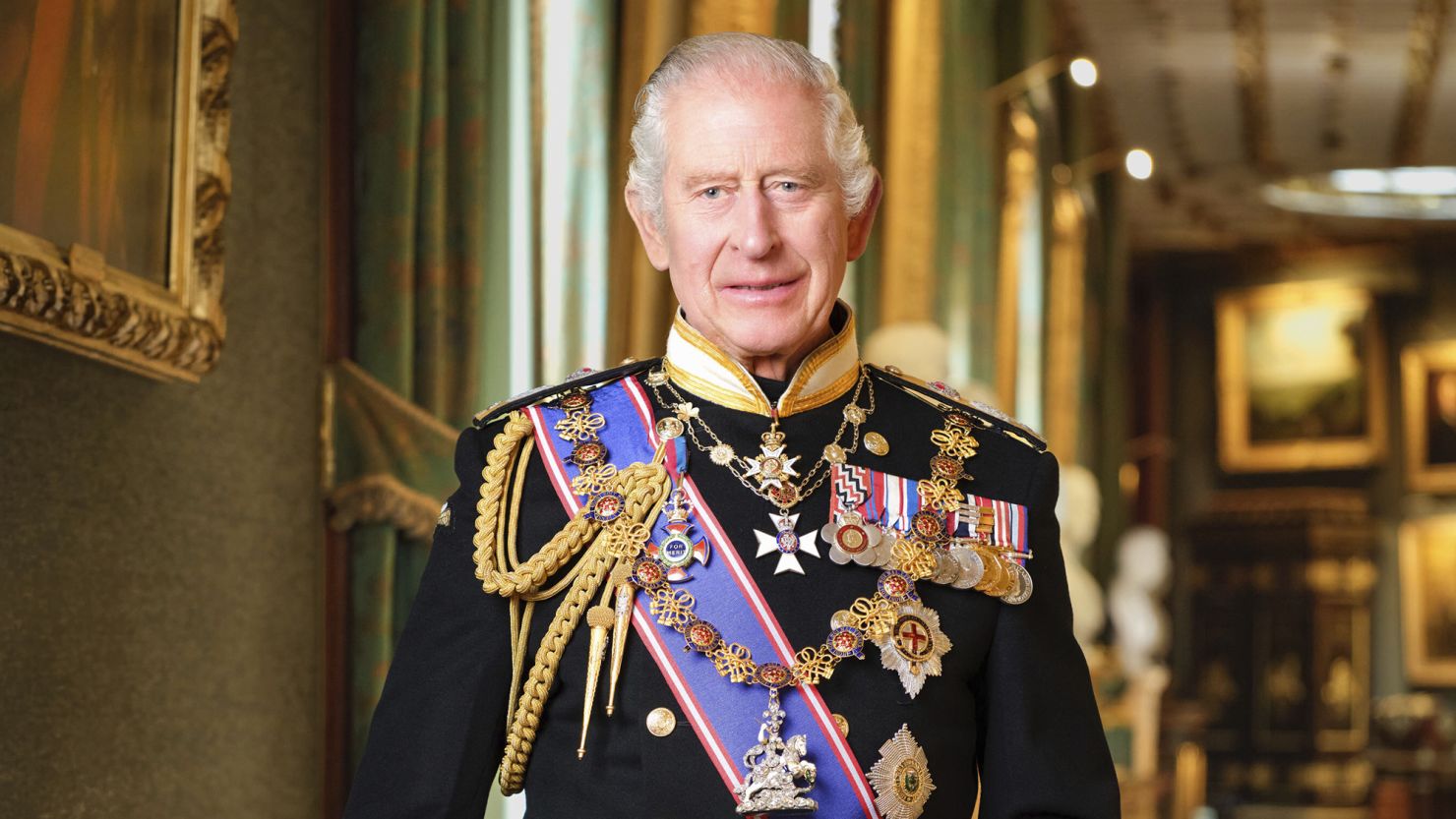
The red carpet at the White House isn't just a piece of fabric. It’s a political barometer. When King Charles III walks through those doors, it isn't just about tea, handshakes, or the pomp of a state dinner. It's a high-stakes test of the "special relationship" during an era where both the United Kingdom and the United States are desperately trying to figure out where they stand in a fractured world.
If you think this is just a ceremonial photo op, you’re missing the point. This visit happens against a backdrop of shifting trade priorities, security threats in Eastern Europe, and a climate crisis that doesn't care about royal protocol. It's the first time a British monarch has made this trek in nearly two decades. The optics are everything, but the substance beneath the surface is what actually keeps the gears of the transatlantic alliance turning.
The weight of the crown in Washington
People often forget that the British monarch has no real political power. They're a symbol. But symbols carry a specific kind of currency in D.C. that even a Prime Minister can’t always spend. When a President hosts a King, they aren't just talking to a head of state; they're acknowledging a thousand years of history. That matters when you're trying to prove to the rest of the world that the West is still a unified front.
Charles isn't his mother. Queen Elizabeth II was the ultimate diplomat because she was a blank slate. She didn't share her opinions. Charles, on the other hand, has spent fifty years talking about organic farming, urban planning, and the environment. He has a voice. That makes this visit different. He isn't just there to represent the UK; he's there to represent a specific set of global concerns that happen to align with the current administration's goals.
Beyond the handshakes
The "special relationship" is a term we throw around constantly, but it’s often more fragile than we admit. We've seen trade tensions over steel and whiskey. We've seen disagreements on how to handle the Middle East. Yet, when things get ugly on the global stage, these two nations are the first ones to pick up the phone.
The King’s presence acts as a stabilizer. It reminds the American public—and the political establishment—that the UK remains the most reliable partner in Europe. It's a soft power play that bridges the gap between different political parties. Presidents change. Prime Ministers change. The monarchy stays. That continuity is a rare commodity in a world that feels like it’s vibrating apart.
Climate diplomacy is the new frontier
This visit isn't just about the past. It's about the future. Specifically, the green one. King Charles has been a "climate warrior" since before it was cool. For him, the White House visit provides a massive platform to push the agenda he cares about most. We’re talking about massive investments in renewable energy and biodiversity.
Washington likes this. The current administration has made green energy a cornerstone of its domestic policy. When the King talks about sustainability, he isn't just a royal; he's a global influencer with a massive reach. This shared interest creates a level of cooperation that bypasses the usual bickering over tariffs or fishing rights. It’s the "green special relationship."
Security remains the bedrock
You can't talk about the US and the UK without talking about intelligence. The Five Eyes alliance is the most sophisticated intelligence-sharing network on the planet. While the King doesn't sit in on briefing rooms, his visit reinforces the cultural and historical ties that make that level of trust possible.
Britain is still the primary bridge between the US and Europe. Even post-Brexit, the UK’s military spending and strategic position make it indispensable. The King’s visit serves as a public validation of this security pact. It says, "We still have your back." That’s a powerful message to send to adversaries who might be looking for cracks in the foundation.
Why some critics remain skeptical
Of course, not everyone is buying the hype. There’s a growing movement in both countries that views the monarchy as an outdated relic. In the US, some wonder why so much energy is spent on a hereditary figurehead when there are pressing economic issues at home. In the UK, the cost of these tours is always under a microscope.
But ignoring the King is a mistake. He represents a form of diplomacy that can't be replicated by a career politician. A politician is always thinking about the next election. A King is thinking about the next century. That long-term perspective is exactly what the special relationship needs right now. It provides a sense of permanence that helps both nations navigate short-term political storms.
The shadow of the past
Every time a British royal visits the US, the ghosts of 1776 are brought up for a laugh. It’s a tired joke, but it highlights a deeper truth. The US grew out of a rejection of the British crown, yet it remains fascinated by it. This fascination is a tool. It’s a way to capture the attention of the American public in a way that a mid-level trade envoy never could.
The White House knows this. They use the glamour of a royal visit to signal importance. If the President gives the King a full state dinner, it’s a signal to the world that the UK is still at the top of the priority list. It’s theater, sure, but theater has consequences in real-world geopolitics.
Trading on history
The biggest elephant in the room is trade. The UK has been chasing a comprehensive free trade agreement with the US for years. It hasn't happened. While the King can't negotiate trade deals, he can set the mood. He can meet with business leaders and talk about innovation.
Economic ties between the two countries are already massive. The US is the largest single source of foreign direct investment in the UK. British companies employ over a million Americans. The King's visit highlights these numbers without needing to get bogged down in the fine print of a legal treaty. It’s about reminding everyone that the two economies are already deeply intertwined.
The role of the Commonwealth
Charles isn't just King of the UK. He’s the head of the Commonwealth, a group of 56 nations. This gives him a global footprint that the US finds incredibly useful. When the US wants to engage with nations in Africa, Asia, or the Caribbean, the Commonwealth is a ready-made network.
By strengthening ties with Charles, the US is essentially keeping a door open to a significant portion of the developing world. It’s a strategic advantage that often gets overlooked in the flurry of news about what the Queen Consort is wearing or what’s on the menu at the state dinner.
The reality of the modern alliance
Don't expect a sudden breakthrough on every disputed issue just because the King visited. That's not how this works. Expect instead a subtle shift in tone. Expect more cooperation on tech regulation, more joint statements on global security, and a renewed focus on environmental standards.
The special relationship doesn't need to be perfect to be effective. It just needs to be active. A royal visit is like a shot of adrenaline for a decades-old friendship. It clears out the cobwebs and forces everyone to remember why they liked each other in the first place.
Check the official government briefings from both the Cabinet Office and the State Department over the next few weeks. You'll see the ripple effects. Watch for new initiatives in aerospace, defense, and clean energy. These aren't coincidences. They’re the direct result of the momentum generated by a successful high-level visit. The special relationship is alive, but it requires constant maintenance. Charles just did his part to keep the engine running.
If you want to track how this actually impacts policy, keep an eye on the upcoming G7 and NATO summits. Look for how closely the US and UK coordinate their positions on emerging threats. That’s where the real proof lies. The dinner is over, but the work is just beginning.