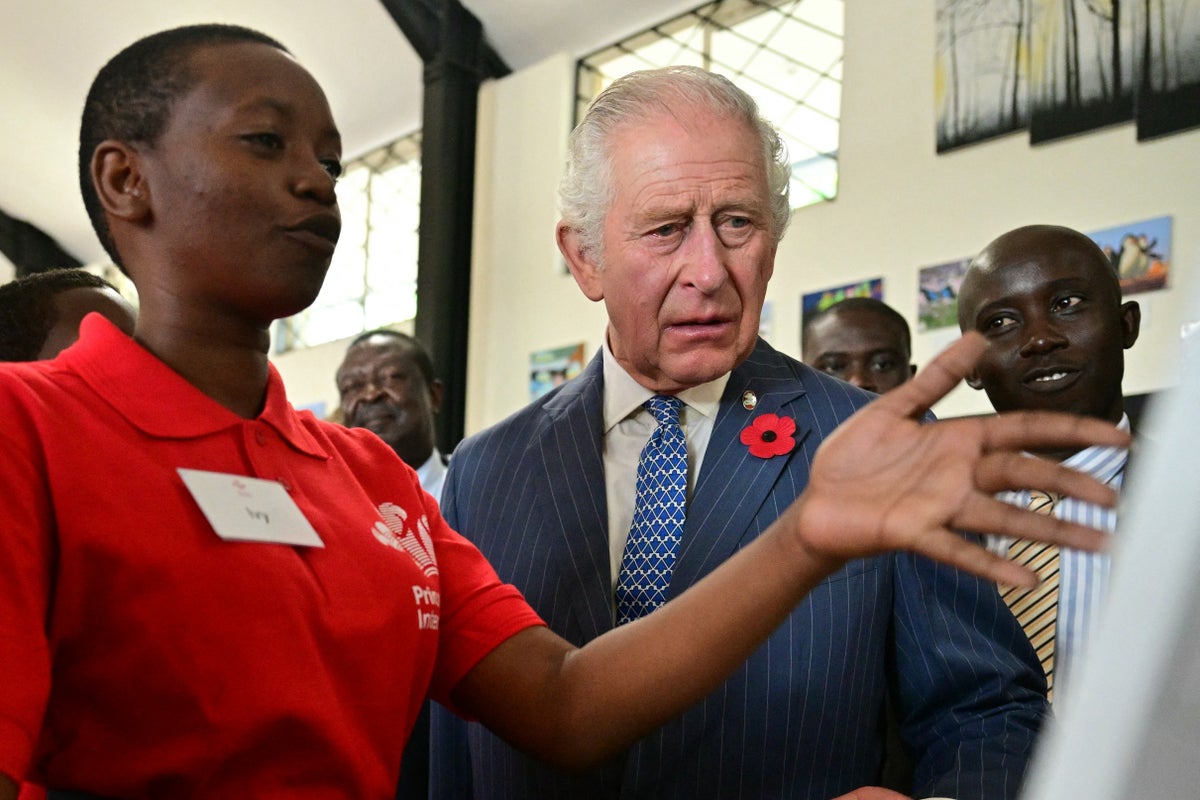
Fifty years is a long time to keep any promise, let alone one made by a young naval officer with a bit of extra navy severance pay and a radical idea. King Charles III didn't just show up to a New York City gala to celebrate a birthday. He came to remind us that the work of The Prince’s Trust is more relevant now than it was in 1976. When you look at the glittering lights of the Cipriani gala, it's easy to dismiss it as another high-society party. You'd be wrong.
The Prince’s Trust has spent half a century moving young people from the fringes of society into the heart of the workforce. This isn't just a British story. It's a global one. The New York gala serves as a bridge, connecting the UK’s longest-running youth charity with American supporters who realize that the struggle for youth employment doesn't have a flag.
Moving beyond the royal tradition
Most people see the monarchy as a collection of parades and old buildings. They miss the fact that King Charles has spent his life acting as a massive venture capitalist for the disenfranchised. He didn't start his charity to look busy. He started it because he saw young people being left behind by an economy that didn't understand them.
The Trust focuses on the "missing middle." These are the kids who aren't in school, aren't working, and don't have a safety net. In the US, we see the same thing. We call them "disconnected youth." The numbers are staggering. Millions of young adults are stuck in a loop of poverty and lack of opportunity. The Trust breaks that loop.
It does this through intensive programs that teach more than just how to write a resume. It teaches confidence. It provides small grants to start businesses. It builds a network where there was none. When the King toasts 50 years in New York, he's celebrating the fact that his charity has helped over a million people. That's not a small feat. It's a systemic shift.
The New York connection and global reach
Why New York? Because the problems facing a kid in South London aren't that different from the problems facing a kid in the Bronx. Global Prince’s Trust initiatives now operate in over 20 countries. They've realized that the "Prince’s Trust model" is exportable. It works because it’s local. They don't just parachute in with British ideas. They work with local partners to identify exactly what the barriers are in that specific city.
The gala wasn't just about looking back. It was about funding the next 50 years. The expansion into the United States, specifically through Prince’s Trust USA, shows an ambition that goes beyond mere charity work. It’s about creating a global standard for how we treat young people who have been counted out.
I’ve seen plenty of charities talk a big game. Most of them disappear after five years when the funding dries up or the founder gets bored. The Trust hasn't. It's grown. It has adapted to the tech age, the gig economy, and the mental health crisis. It’s stayed because the need has only gotten more intense.
Why the 50 year milestone actually counts
Usually, anniversaries are just an excuse for a press release. This one is different because the economic environment for young people is arguably tougher now than it was in the seventies. Back then, you could walk into a trade or a factory job with relatively little "polishing." Today, the barrier to entry is a mountain of credentials and "soft skills" that nobody teaches you if you grow up in a tough neighborhood.
The Trust fills that gap. They offer a "Team" program which is a 12-week personal development course. It’s intense. It’s practical. It works. They report that three out of four young people on their programs move into work, education, or training. That’s a success rate most government programs would kill for.
They also understand the power of the "side hustle" before it was a buzzword. Since 1983, their Enterprise program has helped nearly 100,000 young people start their own businesses. Think about that. Instead of just trying to find these kids a boss, they turned them into the bosses.
What we get wrong about youth unemployment
We often think youth unemployment is just a lack of jobs. It isn't. It’s a lack of access. If you don't know anyone who works in an office, how do you know how to act in one? If you've never had a bank account, how do you manage a business grant?
The New York gala highlighted the supporters who fill these gaps. It’s about mentorship. The King has always been big on this. He knows he can’t do it alone. He uses his "convening power" to bring together the CEOs, the celebrities, and the philanthropists. He puts them in a room and says, "Look at these kids. They have the talent. They just need the door opened."
The critics will say the King should stay out of social issues. I say that's nonsense. If you have the platform, you use it. He used it when he was the Prince of Wales, and he's using it now. The transition to King hasn't slowed the mission. If anything, it has given the Trust more weight on the international stage.
The shift to Prince’s Trust International
In recent years, the charity rebranded its global efforts under Prince’s Trust International. This isn't just a name change. It’s a strategy. They are now working in the Caribbean, Africa, Asia, and North America. They are taking the lessons learned from decades of work in the UK and applying them to diverse economies.
In New York, the focus is often on the "Digital Skills" gap. The Trust has partnered with tech giants to ensure that young people from disadvantaged backgrounds aren't left behind by AI and automation. They aren't just teaching people how to code; they are teaching them how to navigate a workplace that changes every six months.
The gala celebrated this evolution. It showed that the charity isn't a relic of the past. It’s a living organization. It’s one that isn't afraid to look at its own methods and say, "This isn't working anymore, let's try this instead." That humility is rare in the non-profit world.
How to actually help the next generation
You don't have to be a King to make a difference, and you don't have to attend a gala in New York. The real work happens in the small interactions. If you're a business owner, look at your hiring practices. Are you looking for "culture fit," which is often just code for "people like me"? Or are you looking for potential?
The Prince’s Trust succeeds because it bets on potential. It sees the drive in a kid who has had to fight for everything they have. That’s the energy every business needs. If you want to support the mission, start by being a mentor. Share your network. Open a door.
The 50-year legacy of King Charles’s charity isn't found in the trophies or the gala dinners. It’s found in the million lives that were headed for a dead end but found a new path instead. That’s a record worth celebrating, whether you’re in London, New York, or anywhere else.
If you’re looking to get involved, don’t just write a check. Look into the mentorship programs. See how your specific skills can help a young person navigate the mess that is the modern job market. The Trust provides the framework, but it's the people—mentors and employers—who provide the opportunities. Go to the Prince’s Trust website, find your local branch, and see who needs a hand up. It’s the most direct way to honor the work that started fifty years ago with a few thousand pounds and a lot of heart.