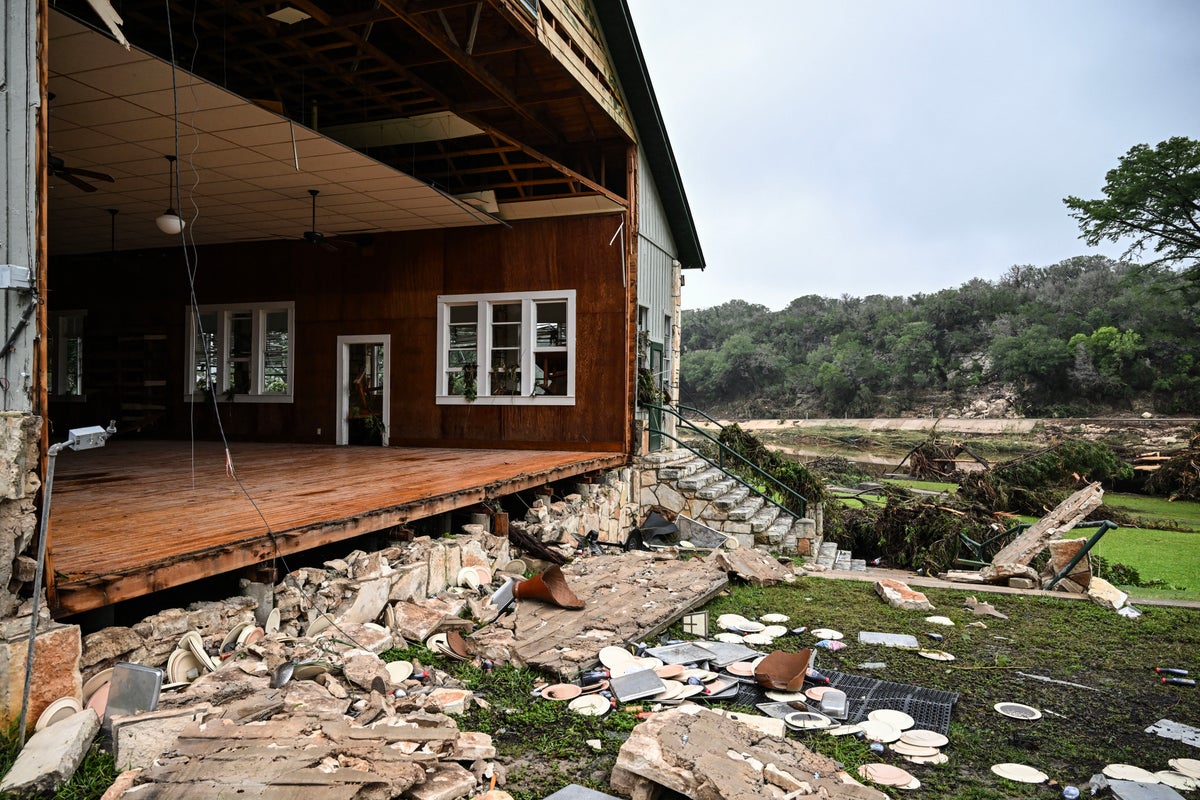
Twenty-seven lives ended in the muddy rush of the Guadalupe River because a system designed to protect children failed at every level. While Camp Mystic’s leadership offers tearful apologies and insists they "tried their hardest," a cold examination of the facts suggests otherwise. Hard work is not a substitute for operational competence, especially when managing a high-risk summer program in a flood-prone canyon. The disaster at Camp Mystic was not an unpredictable act of God; it was the inevitable result of ignored weather warnings, outdated evacuation protocols, and a culture of complacency that prioritized the "camp experience" over basic hydrologic reality.
The core of the failure lies in the 36-hour window preceding the flash flood. During this time, the National Weather Service issued escalating alerts that went largely unheeded by camp administration. By the time the director realized the water was rising beyond the banks, the window for a safe, organized evacuation had already slammed shut. This was a tragedy of logistics and leadership, disguised as a natural disaster.
The Architecture of a Preventable Disaster
To understand why 27 campers died, one must look at the geography of the Hill Country and the structural hubris of the camp itself. Camp Mystic sits in a "flash flood alley," a region known for rapid runoff and extreme elevation changes in water levels. Meteorologists have warned for decades that these river systems can transform from placid streams to lethal torrents in under an hour.
The camp’s internal emergency plan relied on a "visual check" system. This means staff were instructed to watch the river line rather than monitor upstream gauges managed by the U.S. Geological Survey. By the time you see the water rising in a canyon, the wall of debris is often only minutes away. On the night of the flood, the upstream gauge at Hunt, Texas, showed a vertical rise of 15 feet in two hours. That data was available in real-time on any smartphone or weather radio. The camp’s failure to integrate this data into their decision-making process is the difference between a close call and a mass casualty event.
The Illusion of Safety in the Wilderness
Parents pay a premium for the rugged, "off-the-grid" atmosphere of elite summer camps. They want their children to disconnect from screens and reconnect with nature. However, there is a dangerous byproduct of this philosophy: a systemic lag in communication.
Witness accounts from surviving counselors describe a chaotic scene where "runners" were sent to cabins because the camp lacked a centralized, battery-backed siren or PA system. In a storm of this magnitude, the sound of rain on metal roofs drowns out a human voice. The reliance on primitive communication methods in a high-stakes environment is a liability, not a charm of the rustic life.
The Business of Risk Management
Camp Mystic operates as a high-revenue enterprise. Like any business, it faces the "sunk cost" pressure of mid-session operations. Canceling a session or evacuating hundreds of campers to hotels is an expensive, logistical nightmare that results in partial refunds and damaged reputations.
Investigative records from similar incidents in the industry show a pattern of "normalcy bias." This is a psychological state where leaders underestimate the possibility of a disaster because it hasn't happened before. "We’ve seen rain like this for forty years and the river never crossed the road," is a common refrain among long-time directors. But past performance is not a guarantee of future safety when climate patterns are shifting and soil saturation levels are at record highs.
The Liability Gap
Current state regulations for summer camps are surprisingly thin regarding hydrological safety. While there are strict rules for kitchen sanitation and counselor-to-camper ratios, the requirements for flood-stage evacuation plans are often left to the discretion of the owner. This creates a regulatory vacuum where safety is treated as a variable rather than a constant.
The legal defense for Camp Mystic will likely hinge on the "unprecedented" nature of the rainfall. They will argue that no amount of preparation could have stopped a "thousand-year flood." This is a convenient narrative, but it ignores the fact that "thousand-year" is a statistical term for a 0.1% annual probability—not a timer that only goes off once a millennium. Professional risk management requires planning for the 0.1% event, especially when you are the legal guardian of other people's children.
Why Tears Are Not Enough
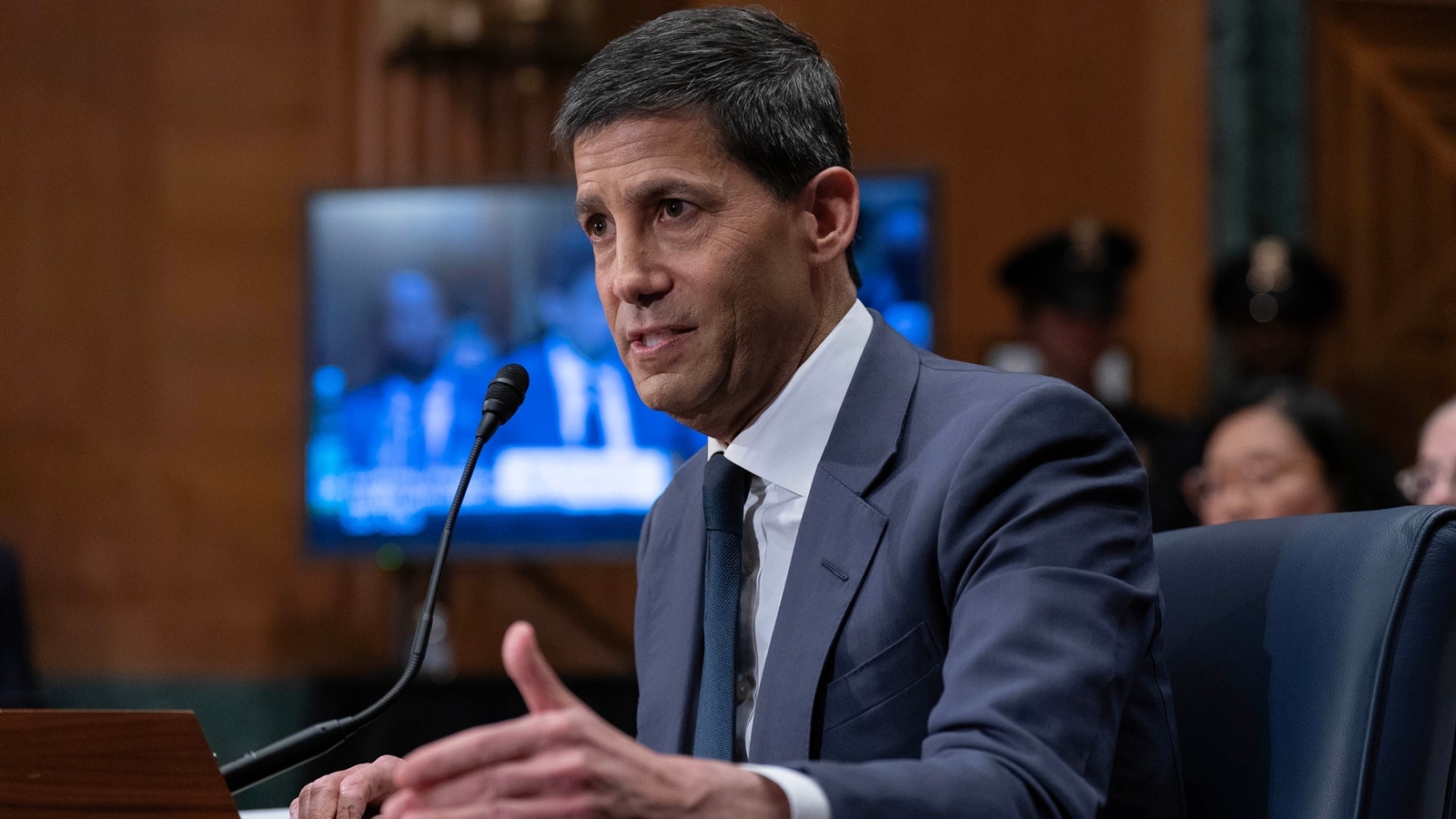
The director’s public apology, delivered through a haze of grief, focused heavily on the emotional toll on the staff. It framed the event as a shared trauma. While the trauma is real, the framing is a distraction from the mechanical failures of the institution.
An apology acknowledges pain; an investigation acknowledges fault. The families of the 27 victims are not looking for a shared cry. They are looking for an explanation as to why the buses weren't loaded at 4:00 PM when the first flash flood emergency was broadcast. They want to know why the cabins were built in the 100-year floodplain without stilt reinforcement.
The Infrastructure of Survival
If we are to prevent another Camp Mystic, the industry must move toward automated safety triggers.
- Mandatory Telemetry Integration: Camps located on riverfronts must have hard-wired connections to USGS streamflow gauges that trigger alarms automatically when water hits a specific "Action Stage."
- Vertical Evacuation Zones: If a camp cannot be cleared in under two hours, there must be certified "high ground" structures capable of housing the entire population above the maximum flood height.
- Third-Party Safety Audits: Annual inspections should be conducted by hydrologists and emergency management professionals, not just camp association peers.
The Cost of the Rustic Aesthetic
There is a romanticized notion that summer camps should be a refuge from the modern world's rigid structures. We want the campfires, the wood-shingle roofs, and the isolation. But when that isolation prevents a mother from knowing her child is in danger, or prevents a director from receiving a life-saving ping on a satellite phone, the romance becomes a death trap.
The industry is currently at a crossroads. It can continue to rely on the "good intentions" of veteran directors who "know the land," or it can adopt the rigorous safety standards required of any other multi-million dollar hospitality and childcare business. Camp Mystic tried its hardest within a broken, antiquated framework. That framework is what killed those children.
The Guadalupe River does not care about a camp's legacy. It does not care about the "Mystic Spirit" or the decades of memories made on its banks. It is a hydraulic system that follows the laws of physics. When the rain falls in the upper basin, the water moves down-canyon with a specific force and velocity. If you are in its way, you die.
The failure was not in the heart; it was in the ledger and the map. Every camp director in the country should be looking at their own floodplain maps today, not with nostalgia, but with a calculator and a stopwatch. The time to move is when the sky is gray, not when the water is at the door.
Investigate the soil. Check the gauges. Move the cabins. Anything less is just waiting for the next apology.