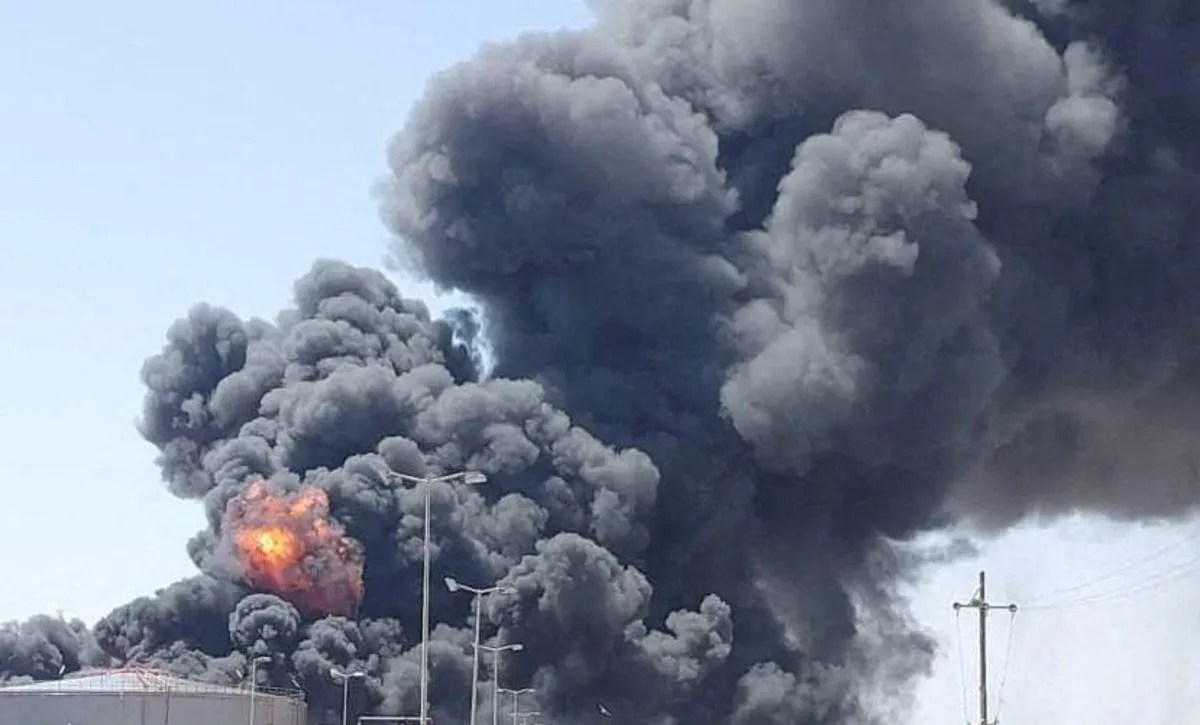
The sky over Haifa didn't just turn dark because of the smoke. It turned dark because the vulnerability of Israel's energy infrastructure was laid bare for the world to see. When a missile strikes the country's largest oil refinery, it's not just a tactical success for an insurgent group or a hostile neighbor. It's a loud, fiery signal that the traditional ways of protecting critical assets are failing.
You saw the footage. Massive plumes of black soot choked the horizon. Flames licked the sky above the industrial zone. If you think this is just another headline in a long-standing conflict, you're missing the bigger picture. This strike on the Haifa oil refineries represents a massive shift in how modern warfare targets the literal lifeblood of a nation’s economy.
Why Haifa is the Ultimate Target
Israel depends on the Haifa Bay area for a staggering portion of its fuel processing and storage. It's the heart of the nation’s downstream energy sector. When an engine stops in Tel Aviv or a jet takes off from a desert airbase, there’s a high probability the fuel involved passed through this specific geography.
Attackers don't pick these spots by accident. They know that hitting a refinery creates a "force multiplier" effect. You don't just destroy a building. You create an environmental disaster that ties up emergency services for days. You spike insurance premiums for every ship entering the Mediterranean. You trigger a psychological shockwave among a civilian population that realizes their "Iron Dome" isn't an impenetrable bubble.
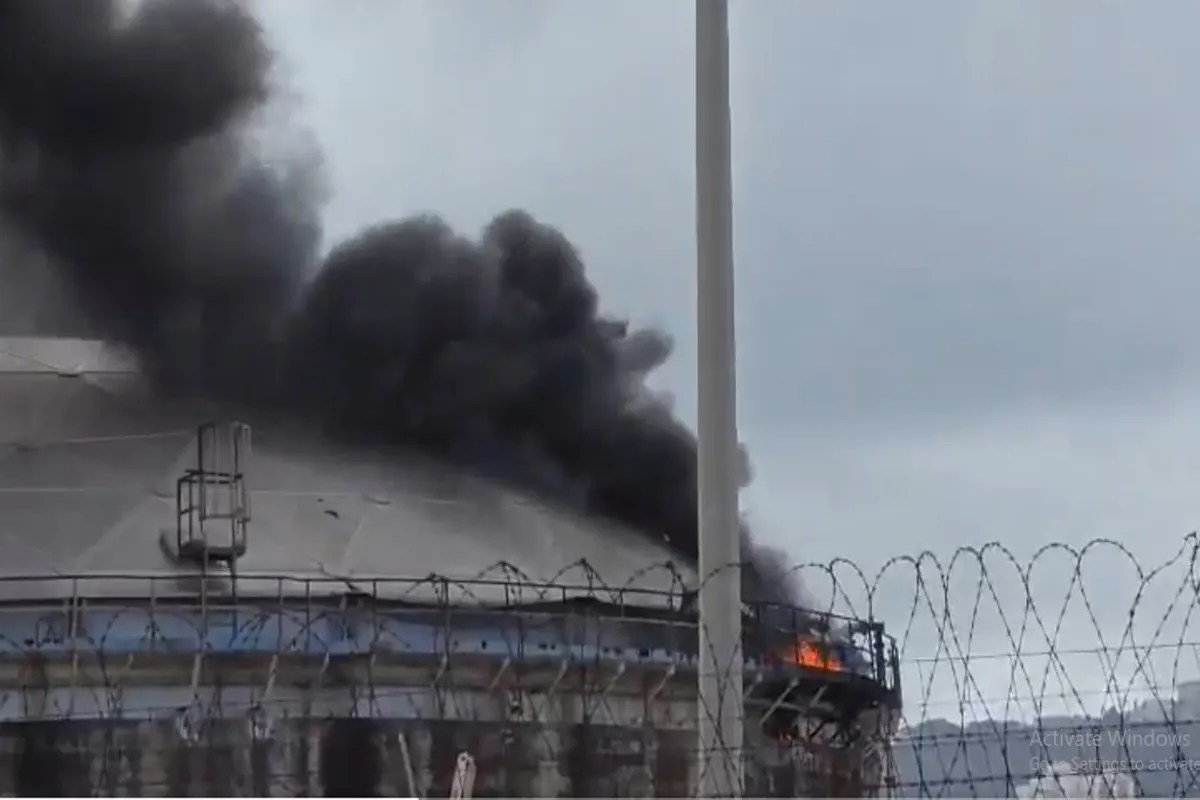
The refinery complex, operated by Bazan Group, has been a centerpiece of Israeli industry for decades. But being a centerpiece also means being a bullseye. While official reports often play down the long-term operational impact to prevent market panic, the visual evidence of fire near cooling towers tells a different story.
The Myth of Total Air Defense
For years, the narrative has been that Israel's multi-layered defense systems—Iron Dome, David’s Sling, and Arrow—make successful strikes on major infrastructure almost impossible. This latest event proves that "almost" is a very dangerous word.
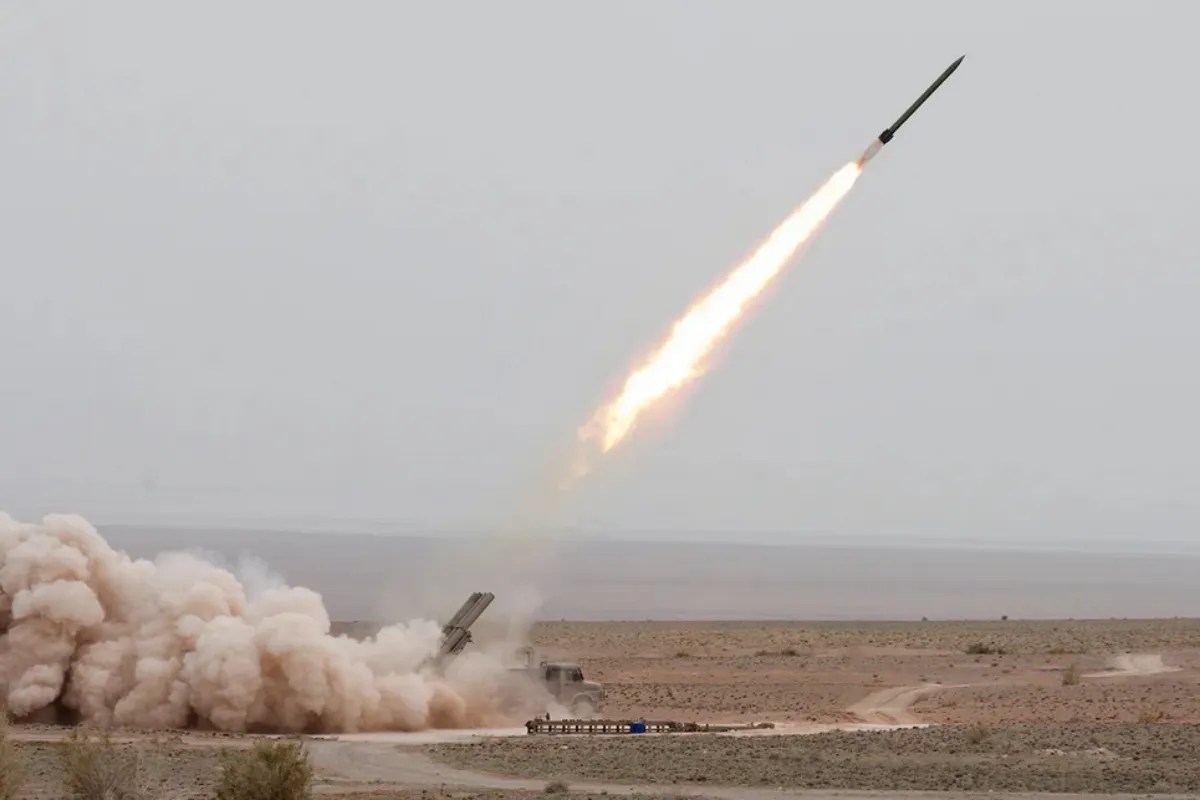
No system is perfect. Saturation attacks, where dozens of projectiles are launched simultaneously, are designed to overwhelm the processing capacity of interceptors. Or perhaps it was a low-flying drone that hugged the terrain to avoid radar detection. Whatever the specific hardware used, the result was the same: fire in the yard.
Security experts have warned about this for a long time. They’ve argued that relying purely on kinetic interception is a losing game in the long run. The cost of an interceptor missile is often fifty times the cost of the "dumb" rocket or cheap suicide drone it's trying to stop. It’s an economic war of attrition that the defender eventually loses if the strategy doesn't evolve.
Economic Fallout Beyond the Flames
When a refinery gets hit, the price of oil doesn't just go up because of supply shortages. It goes up because of risk.
- Supply Chain Paralysis: If the refinery has to shut down for "safety assessments," the logistics of moving petrol, diesel, and aviation fuel grind to a halt.
- Investor Flight: Massive industrial groups hate instability. A missile in the backyard is the ultimate reason to move capital elsewhere.
- Environmental Cleanup: The costs of managing toxic runoff from firefighting efforts and atmospheric pollution are astronomical.
Israel has been trying to diversify its energy sources, moving toward offshore natural gas and even exploring more renewables. But you can't run a legacy military or a 20th-century transport grid on 21st-century dreams alone. You need the heavy stuff. You need the refineries. That’s why the damage in Haifa hurts so much more than a hit on a residential block.
Misconceptions About Refineries Under Fire
Most people think a missile hit on a refinery means an immediate, massive explosion that levels the city. That's usually not how it works. These facilities are built with significant compartmentalization. There are blast walls, remote shut-off valves, and specialized fire suppression systems that activate in seconds.
The real danger isn't always the initial blast. It's the sustained heat. If a fire isn't contained, it can cause "BLEVE" (Boiling Liquid Expanding Vapor Explosion) in adjacent tanks. That’s the nightmare scenario. In this latest incident, the responders managed to keep the fire localized, but the margin for error was razor-thin.
Don't listen to the talking heads who say this was a "minor" incident because the whole plant didn't blow up. In the world of energy security, there is no such thing as a minor missile strike on a refinery. Every successful breach of the perimeter is a catastrophic failure of deterrence.
The Shift to Decentralized Energy
If I’m an Israeli policy maker today, I’m looking at those images of black smoke and feeling a cold sweat. This event will likely fast-track the movement to move fuel storage underground or decentralize processing.
The era of the "Mega-Refinery" as a single point of failure is ending. We’re going to see a massive push toward smaller, modular units and perhaps a faster transition to electric fleets to reduce the strategic weight of any single oil facility. It’s not just about being "green" anymore; it’s about survival.
You should expect tighter security zones, more frequent "red alert" drills in industrial corridors, and a potential spike in local fuel taxes to pay for the upgraded defense tech. The cost of that smoke in the sky will eventually show up on the receipt at the pump.
If you live in a coastal city or near an industrial hub, pay attention to the emergency protocols that were followed during this Haifa strike. The speed at which they evacuated the immediate perimeter saved lives. Check your local municipality's disaster response plan for industrial accidents. Don't wait for the smoke to appear on your own horizon to realize that critical infrastructure is always a target in a world that’s increasingly coming off the rails. Monitor the official updates from the Ministry of Energy, but keep a skeptical eye on "all clear" signals that come out too quickly after a major blaze. Safety is a long-term metric, not a press release.