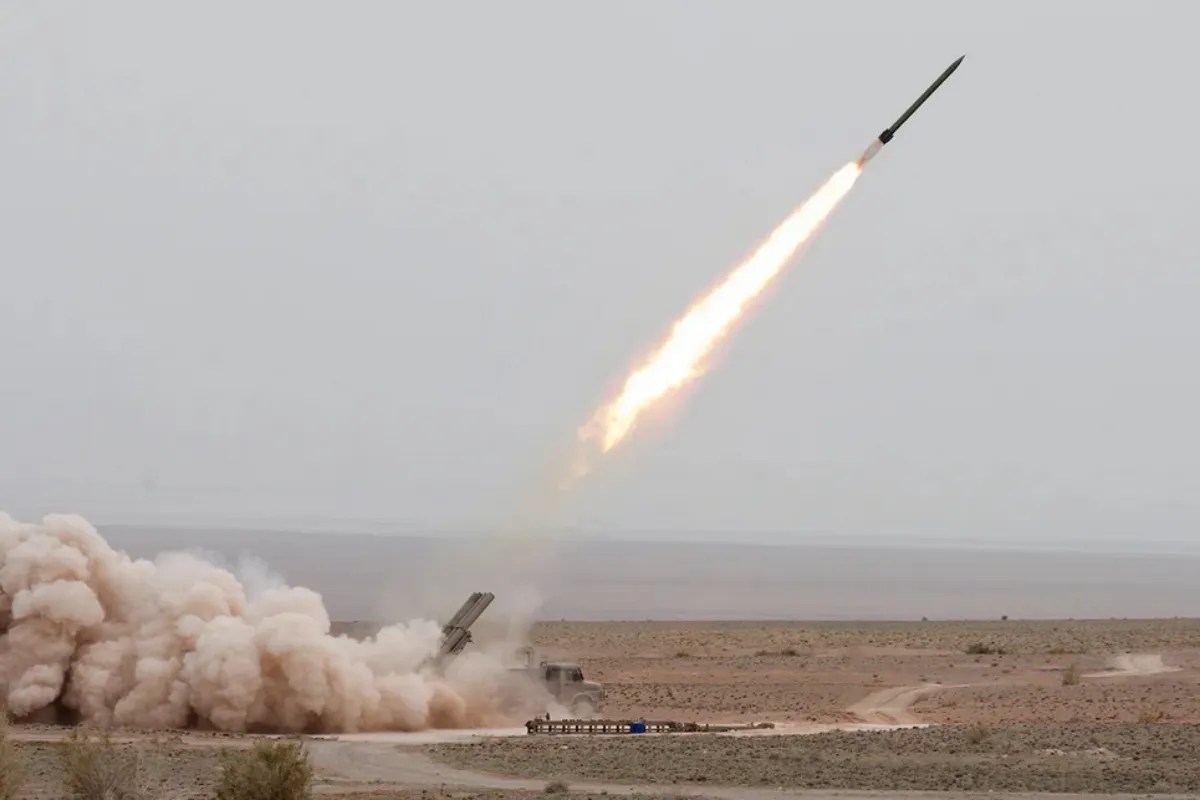
The tea in the samovar was still hot when the first whistle sliced through the thin mountain air of Khost. It is a sound that people in the borderlands of Afghanistan and Pakistan know in their marrow. It is not the low rumble of a distant storm or the mechanical hum of a passing truck. It is a sharp, predatory shriek that tells you the atmosphere itself has been weaponized.
In the small hours of a Monday morning, while the rest of the world debated geopolitical shifts in air-conditioned rooms, the families in the Barmal district were sleeping. They were tucked under heavy wool blankets, the kind that smell of woodsmoke and sheep’s lanolin. Then came the fire.
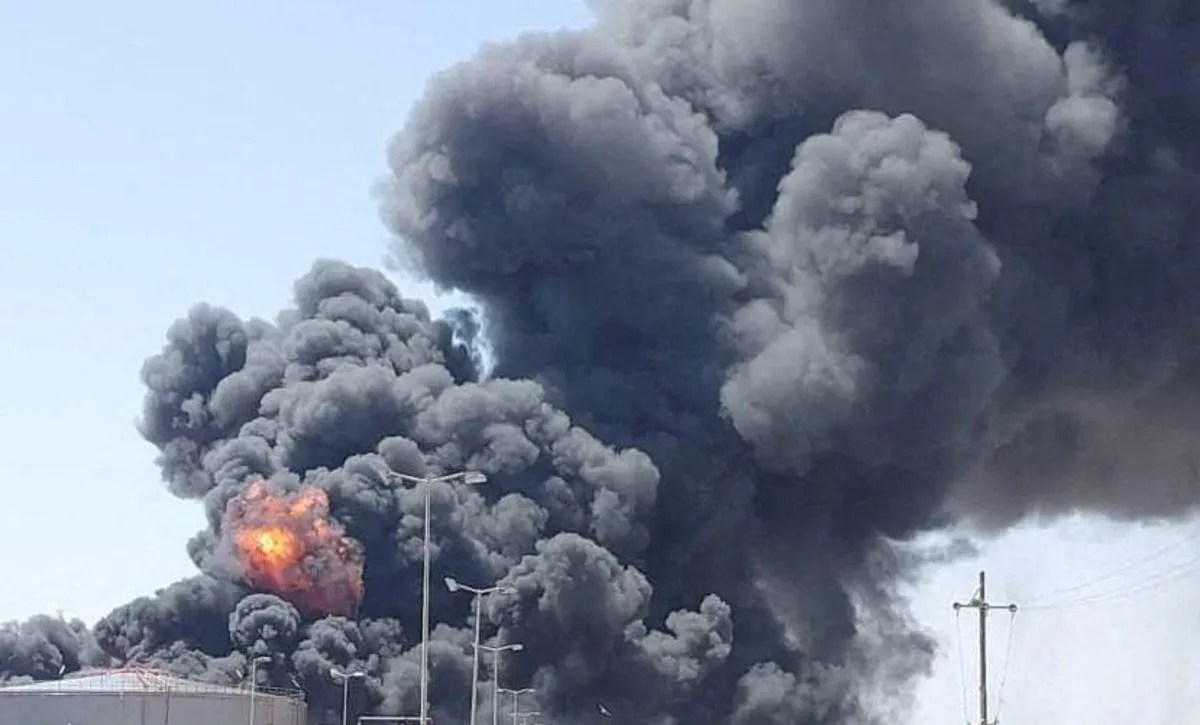
The headlines called it a "rocket attack." A "retaliatory strike." Standard military jargon for the act of turning a home into a crater. But for the people on the ground, those words are hollow shells. They do not capture the smell of pulverized concrete or the sudden, deafening silence that follows a blast—a silence so heavy it feels like it’s pressing against your chest.
The Invisible Line That Bleeds
The Durand Line is a scar across the earth. Drawn by a British civil servant in 1893, it was meant to separate empires. Instead, it sliced through tribes, families, and histories. Today, that line is the epicenter of a frantic, violent friction between two neighbors who cannot live with each other and cannot seem to live without the shadow of the other’s interference.
Pakistan’s military leadership insists these strikes are a necessity. They point to the Tehrik-i-Taliban Pakistan (TTP), an insurgent group they claim finds sanctuary in the rugged folds of Afghan territory. To Islamabad, these are not attacks on a sovereign nation; they are "intelligence-based operations" designed to cauterize a wound before the infection spreads deeper into their own cities.
But look closer at the rubble.
When a rocket impacts a village, it doesn't distinguish between an insurgent and a grandmother. In the recent strikes on Khost and Paktika, the Afghan Taliban’s spokesperson, Zabihullah Mujahid, reported that eight people were killed. Five of them were women. Three were children. These are not collateral damage figures; they are the fundamental reality of modern border warfare.
The Cycle of the Ghost War
Imagine a father in Paktika. Let’s call him Ahmad. He has no interest in the shifting allegiances of the TTP or the strategic depth sought by Pakistani generals. His world is the size of his pomegranate orchard and the safety of his daughters. When the ceiling of his home collapsed under the weight of a Pakistani missile, the geopolitical justifications mattered less than the dust filling his lungs.
The tragedy of this conflict is its predictability.
Pakistan experiences a rise in domestic terror attacks. They blame the Afghan Taliban for providing a "safe haven" to the TTP. Kabul denies the charges, claiming they have no control over the porous, mountainous terrain or that the TTP is a Pakistani problem that should be solved on Pakistani soil. Tension spikes. A border crossing is closed, strangling trade. Then, the rockets fly.
This is the "Ghost War." It is a conflict fought in the shadows of the Hindu Kush, where the enemy is often a former ally and the victim is almost always a civilian who just happened to live on the wrong side of an invisible line.
The Cost of a Cracked Foundation
For decades, Pakistan viewed Afghanistan as its "strategic backyard." The idea was simple: ensure a friendly government in Kabul to prevent being sandwiched between a hostile India to the east and a hostile Afghanistan to the west. This policy led to years of support for various factions, including the very Taliban who now hold the reins in Kabul.
There is a bitter irony here. The group Islamabad helped return to power is now the primary source of their diplomatic and security headaches. The "friend" in Kabul is no longer taking orders.
When the Afghan Taliban took control in 2021, many in Pakistan’s establishment celebrated. They thought the "Indian influence" had been purged and a new era of cooperation would begin. Instead, the border grew more volatile. The TTP, emboldened by the Taliban’s victory, ramped up its campaign within Pakistan, leading to horrific scenes like the mosque bombing in Peshawar.
Now, the relationship has curdled. The air strikes represent a desperate attempt by Pakistan to exert pressure on a regime that has proven surprisingly defiant. But every rocket fired into an Afghan village acts as a recruitment poster for the very insurgents Pakistan seeks to eliminate. It creates a vacuum of grief and anger that the TTP is only too happy to fill.
Why This Matters Beyond the Border
It is tempting to look at these events and see them as a localized tribal feud. That would be a mistake.
The instability between these two nuclear-adjacent powers has a ripple effect that touches global security. When Pakistan and Afghanistan clash, the "ungoverned spaces" between them grow larger. These are the spaces where international terror groups find the room to breathe, plan, and recruit.
Furthermore, there is the human tide. Every time a rocket hits a village, more families pack their lives into the back of a truck and head for the border. They become part of the millions of displaced souls seeking refuge in a world that is increasingly closing its doors. This isn't just a "news story" about a rocket; it is a story about the erosion of regional stability and the birth of a new generation of resentment.
The Weight of the Aftermath
The Afghan Taliban did not stay silent after the recent strikes. They responded with heavy weapons fire, targeting Pakistani military posts along the border. The cycle turned once more. Both sides issued stern warnings. Both sides claimed the moral high ground.
But back in the villages of Khost, the high ground is a place of mourning.
How do you explain the "strategic necessity" of a missile to a man who is digging his child out of the debris? You can’t. The logic of the general and the logic of the father are two parallel lines that will never meet.
The international community watches from a distance, issuing statements of "deep concern." But concern doesn't rebuild a flattened home. It doesn't bring back the women and children who were caught in the crossfire of a war they never signed up for.
The rockets that fell on Khost did more than destroy buildings. They shattered the fragile hope that the return of the Taliban would bring a definitive end to the decades of bloodshed. Instead, it has only shifted the geography of the pain. The border remains a jagged edge, and as long as the "Ghost War" continues, it will keep drawing blood from those who simply want to live to see the sun rise over the mountains.
The tea in the samovar is cold now. The smoke has cleared, leaving only the jagged remains of a life interrupted. In the distance, the mountains of the Durand Line stand indifferent, watching as another generation learns that on this border, the sky can fall at any moment.