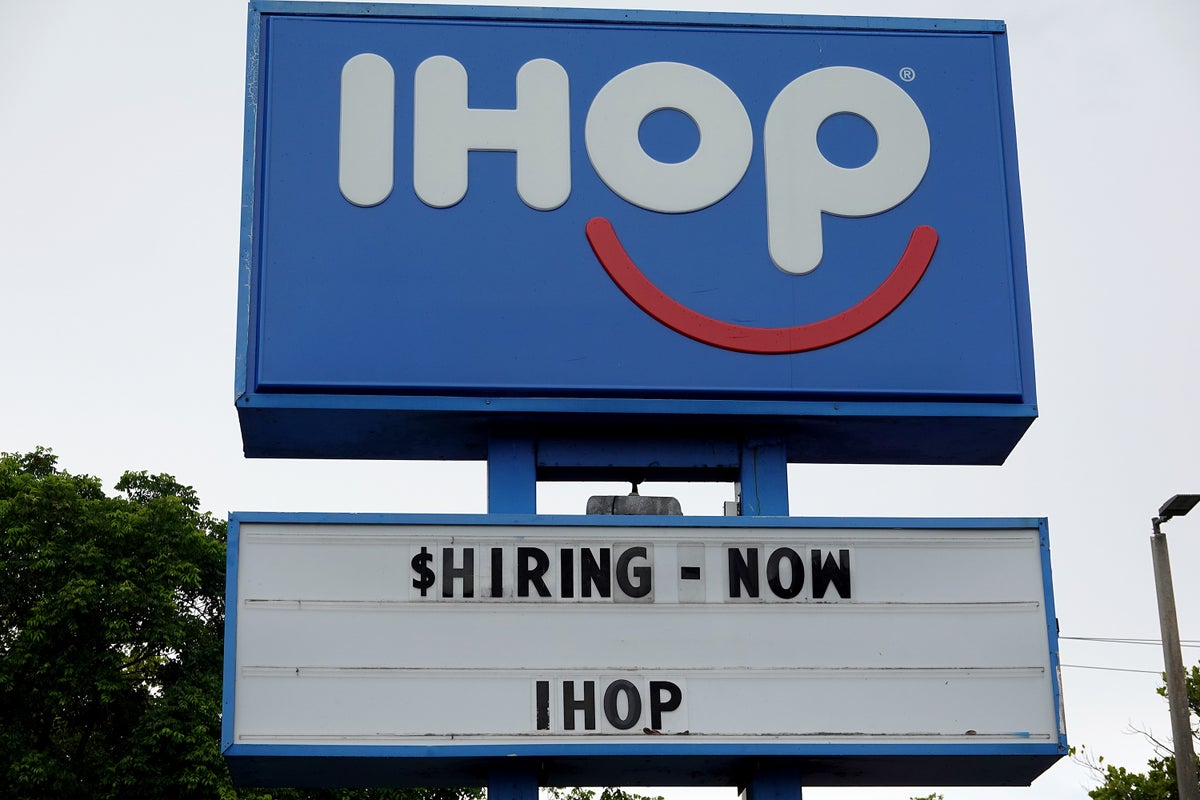
A federal lawsuit filed by Black employees against a Florida IHOP franchise has dragged a deeply entrenched operational failure back into the spotlight. The complaint outlines allegations of severe racial harassment by management, including explicit slurs and targeted hostility that transformed a routine service job into a daily battleground.
For anyone who has tracked low-wage labor dynamics over the past three decades, the details sound painfully familiar. This is not an isolated flash mob of bad behavior. It is the predictable outcome of an industry model that prioritizes rapid franchisee expansion over human resources oversight, leaving isolated store managers with unchecked micro-autonomy. If you liked this post, you should look at: this related article.
The Franchisee Insulation Loop
Corporate headquarters love the franchise model for one primary reason: risk mitigation. When a local unit operates under a licensing agreement, the parent company maintains a comfortable legal buffer against day-to-day operational liabilities.
Yet this structural insulation creates a dangerous vacuum. A restaurant manager in a strip-mall diner answers directly to a local multi-unit franchisee who might oversee a dozen other locations across state lines. Human resources functions are often outsourced to third-party providers or handled by an overworked generalist sitting miles away from the griddle. For another look on this event, check out the recent coverage from The New York Times.
When racial animus takes root in this environment, employees have virtually nowhere to turn. Internal reporting channels frequently loop right back to the very supervisors accused of the misconduct. By the time federal regulators or civil rights attorneys step in, the toxic culture has metastasized for months or years.
The Economics of Exhaustion
Working the floor of a 24-hour diner requires a specific kind of physical resilience. Adding structural hostility to that equation pushes workers past the breaking point.
The plaintiffs in these types of employment actions rarely initiate litigation lightly. Filing a federal lawsuit demands financial bandwidth, emotional stamina, and the willingness to risk future employability in a tight-knit regional service market. Most workers absorb subtle degradations for months, altering their shifts, biting their tongues, and attempting to keep their heads down because rent is due on the first of the month.
When the behavior escalates from covert disrespect to overt verbal abuse—such as the reported use of plantation-era terminology or explicit declarations of racial hierarchy—silence ceases to be an option. The legal system becomes the sole mechanism left to demand basic accountability.
Why Corporate America Keeps Missing the Mark
Public relations departments at major restaurant chains know how to deploy crisis communication playbooks. A swift statement condemning discrimination, an announcement of an independent investigation, and a promise of mandatory compliance training usually follow any high-profile filing.
These performative interventions rarely change the daily reality on the floor. Compliance modules completed on a back-office terminal do not neutralize a manager with absolute scheduling authority. If a supervisor controls who gets Friday night shifts—the shifts that actually generate living wages through tips—they hold total economic leverage over the staff.
True reform requires structural changes that corporate boards consistently resist. It demands transparent, algorithmic scheduling to eliminate managerial favoritism, independent on-site ombudsmen who answer to external civil rights monitors rather than corporate executives, and real-time auditing of wage distribution and shift allocations.
Until parent companies treat franchise culture with the same rigorous oversight they apply to food safety and brand standards, these lawsuits will keep arriving with depressing regularity. The griddle keeps turning, the coffee pots stay hot, and the underlying rot remains untouched.