The water does not knock. It arrives in the dead of night, a low, guttural roar that vibrates through the foundations of mud-brick homes before the door has even been unlatched. By the time morning breaks over the valleys of Nepal, the familiar geography of village paths, terraced fields, and bustling market squares has been erased. In its place lies a flat, brown expanse of rushing debris, uprooted trees, and the quiet despair of families standing on rooftops, watching their entire lives drift downstream.
We talk endlessly about rainfall metrics, cresting river levels, and displaced populations crammed into temporary relief camps. These statistics are necessary, cold, and clean. They fit neatly into morning news bulletins and government reports. But numbers have a way of flattening human suffering into digestible bits. They fail to capture what happens when the floodwaters finally recede, leaving behind a thick, suffocating layer of silt and a reality too heavy to bear.
Consider what happens next: the grim administrative scramble that occurs out of sight of the television cameras.
In normal times, death in these close-knit communities is a communal burden wrapped in ritual. Families gather. Prayers are chanted. Fires are lit. The transition from life to memory is marked by shared grief and the comforting rhythm of tradition. But a catastrophic flood strips away the dignity of final farewells. When hundreds perish overnight, swept away by sudden surges or crushed beneath collapsing masonry, the infrastructure designed to honor the dead simply shatters.
The local morgues are designed for the ordinary rhythms of mortality, not mass tragedy. Within hours, they are overwhelmed. Every slab is taken. Every hallway echoes with the hollow sound of desperate relatives searching for missing kin among rows of the unidentified.
And so, the unthinkable becomes routine.
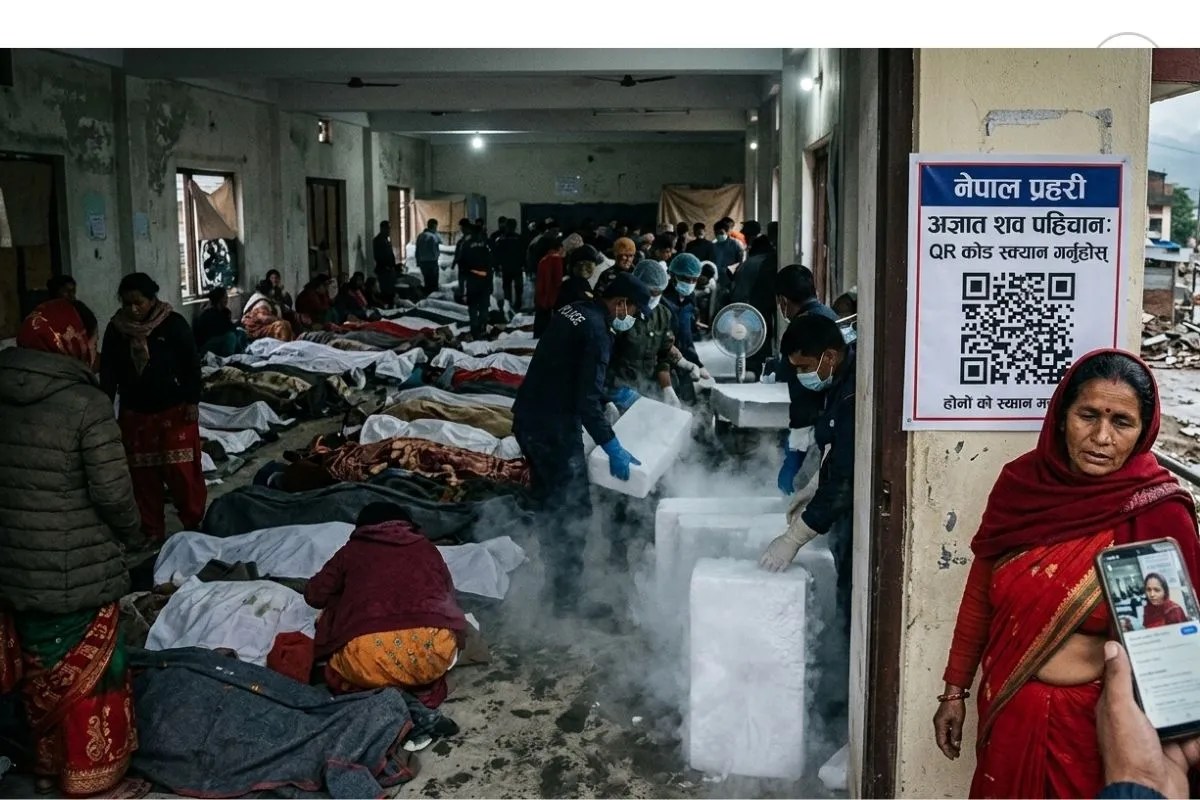
Empty commercial buildings, abandoned warehouses, and unfinished concrete structures on the outskirts of towns are commandeered. They are transformed into makeshift holding areas. Without electricity or functional refrigeration units, these hollow concrete shells turn into makeshift tombs under the punishing heat of the post-monsoon sun.
This is where the dry ice arrives.
Blocks of frozen carbon dioxide are hauled in by the truckload, stacked high against the walls of empty rooms to buy precious time against decay. The white vapor rolls across the concrete floors like a low-hanging fog, hissing softly as it sublimates into the humid air. It is a surreal, haunting atmosphere. Grieving family members wrap scarves around their noses and mouths, stepping into the white haze to identify a brother, a mother, a child, guided only by the dim beam of a smartphone flashlight and the desperate hope that they will not find what they are looking for.
I remember standing near one such makeshift site during a previous monsoon season, watching a rescue worker emerge from the white fog with frost-burned fingers, his eyes hollowed out by days of unbroken trauma. There are no words for the weight of that silence. It is heavy, damp, and thick with the smell of wet earth and industrial coolant. The mechanics of disaster management are rarely pretty; they are brutal, improvised, and heartbreakingly inadequate.
Why does this happen year after year?
The answer lies in a volatile mix of geography, changing climate patterns, and rapid, unregulated development. Nepal’s topography is uniquely vulnerable. Steep Himalayan slopes feed a vast network of rivers that surge downward with ferocious kinetic energy when heavy monsoon downpours strike. Deforestation strips the hillsides of their natural anchors, turning topsoil into mudslides that choke riverbeds and force water outward into low-lying settlements with terrifying speed.
For decades, communities relied on traditional wisdom, building homes on historical high ground and reading the subtle shifts in wind and river color. But climate volatility has rendered ancestral knowledge obsolete. The rains arrive later, fall harder, and concentrate their fury into compressed windows of apocalyptic intensity. A river that remained docile for generations can swell into a raging ocean in less than two hours.
The human cost of this ecological shift extends far beyond the initial shock. Survivors huddle in damp tarpaulin camps, staring at the empty spaces where their villages used to stand. Waterborne diseases begin to brew in the stagnant puddles left behind by the receding floodwaters. Cholera, dysentery, and skin infections stalk the children who splash barefoot in the mud, unaware of the invisible dangers lurking in the grime.
Yet, amid the wreckage, human resilience refuses to stay buried. Neighbors pull neighbors from swirling vortexes using braided ropes and bamboo poles. Volunteers trek for hours across washed-out mountain passes, carrying sacks of rice and medicine on their backs because bridges have collapsed. In the makeshift morgues, exhausted mortuary workers and forensic specialists toil through the night, driven by a fierce, quiet determination to give every nameless body back to a family that is waiting by the riverbank.
The dry ice will eventually melt. The temporary buildings will be returned to their owners. The mud will dry, crack, and eventually be plowed over for the next planting season. But the scars carved into the landscape and the collective psyche of these mountain communities will remain long after the headlines fade and the cameras turn their gaze elsewhere.
The river returns to its channel, quiet now, innocent in appearance, flowing steadily toward the plains, carrying secrets it will never tell.