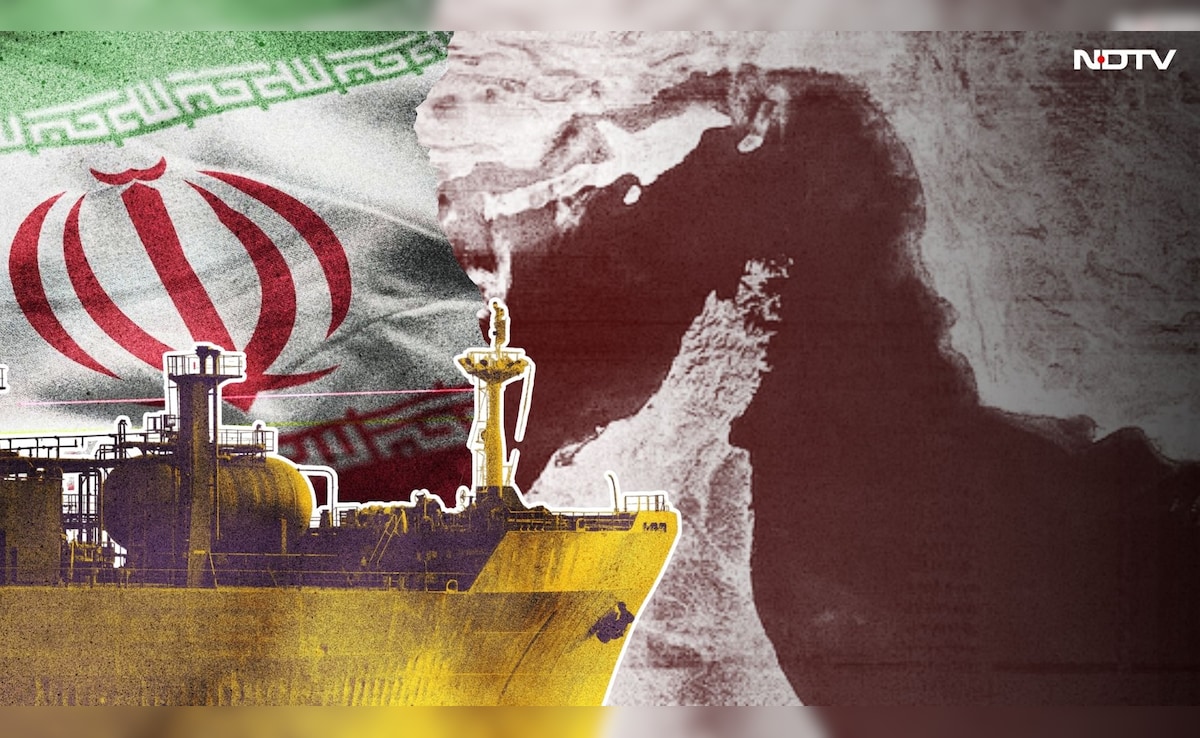
Geopolitics is a theater of the absurd where the loudest screamers usually have the most to gain from the panic they create. When the UAE points a finger at Iran and shrieks about "treacherous aggression" in the Strait of Hormuz, they aren't issuing a warning. They are running a marketing campaign. The "lazy consensus" among Western analysts is that Iran is a wild-eyed arsonist standing over a gas station with a Zippo. The reality is far more calculated, far more boring, and far more profitable for the very people claiming to be the victims.
The Chokepoint Fallacy
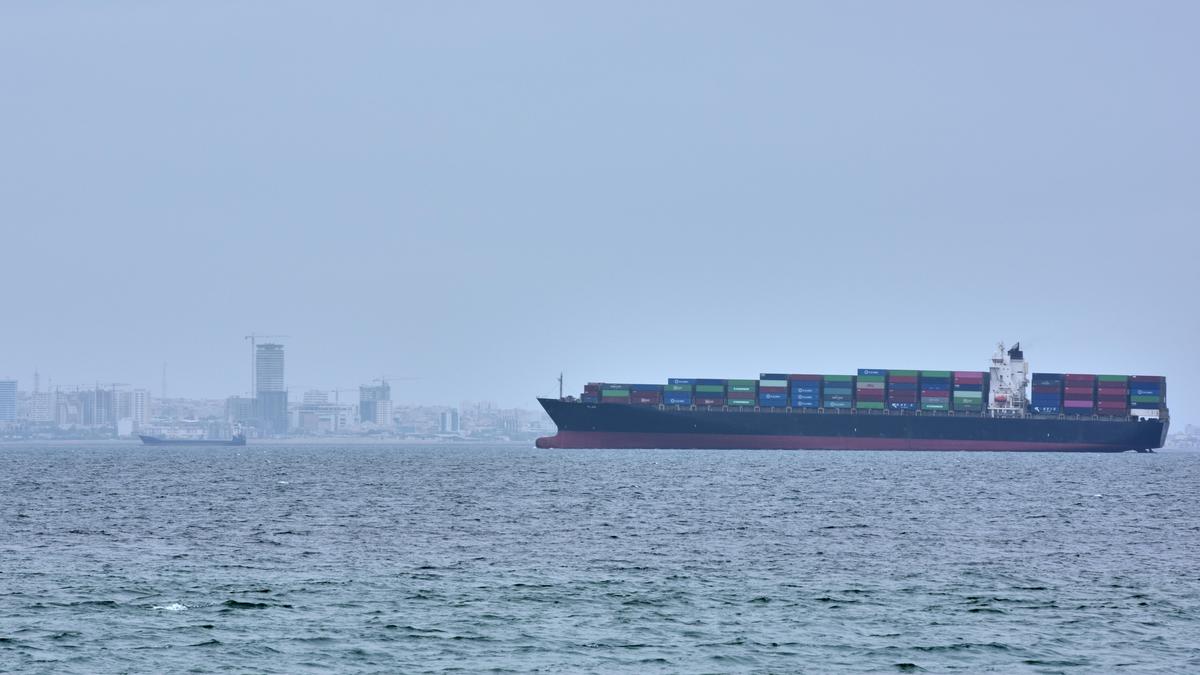
Everyone loves a good map. You’ve seen it a thousand times: the narrow neck of the Strait of Hormuz, 21 miles wide at its skinniest, with a giant red arrow labeled "OIL" pointing through it. The narrative is simple: Iran closes the tap, the world economy dies, and we all start fighting over the last gallon of milk at the grocery store.
It’s a fantasy.
Closing the Strait of Hormuz is the geopolitical equivalent of a "suicide vest" strategy. Iran’s entire economy—the bits that aren't crippled by sanctions—depends on those same waters. They aren't just the gatekeepers; they are the biggest users of the gate. To suggest Tehran would permanently shut the Strait is to suggest they want to bankrupt themselves faster than a botched crypto startup.
The UAE knows this. But by framing Iran as an unpredictable, "untrustworthy" aggressor, Abu Dhabi cements its status as the "stable" alternative. It’s a classic brand play. When you de-legitimize your neighbor, your own real estate prices go up. Your ports look safer. Your insurance premiums for shipping—while rising for the region—get skewed in your favor because you’re the "partner" and they’re the "pariah."
The Insurance Premium Hustle
Let’s talk about the money. I’ve sat in rooms with commodity traders who salivate every time a headline about "Iranian aggression" hits the wire. Why? Because volatility is where the margin lives.
When the UAE amplifies the threat of Hormuz being blocked, they trigger a spike in War Risk Insurance. You’d think they’d hate that. Wrong. The UAE has spent the last decade building massive pipelines that bypass Hormuz entirely. The Habshan-Fujairah pipeline can move 1.5 million barrels a day directly to the Gulf of Oman.
Every time the "Hormuz threat" is hyped, the value of Fujairah’s bypass infrastructure skyrockets. They aren't just complaining about a threat; they are monetizing the fear of it. By keeping the world focused on the "treachery" of Iran, they ensure that every drop of oil that avoids the Strait pays a premium to the UAE. It’s the ultimate protection racket, and the Western media is providing the muscle for free.
Why "Trust" is a Rookie Metric
The competitor piece harps on the idea that Iran "cannot be trusted." This is the most amateur take in international relations. Trust is for poker games and marriages. In the Persian Gulf, the only metric that matters is leverage.
Iran doesn't want to block the Strait; they want to threaten to block it. There is a massive difference. A threat is an asset. An action is a cost. By seizing a tanker here or harassing a drone there, Iran reminds the world that they have a seat at the table. If they actually closed the Strait, the U.S. Fifth Fleet would be forced to turn the Iranian navy into a collection of artificial reefs within 72 hours.
The UAE isn't afraid of a closure. They are afraid of a deal.
If the West ever actually "trusted" Iran—or even just reached a functional detente—the UAE loses its strategic monopoly. If Iranian oil and gas flood the market without the "risk" discount, the UAE’s role as the indispensable, Western-aligned fortress is diminished. They need Iran to be the villain. Without a villain, the hero's budget gets cut.
The Logistics of a Ghost War
To understand why the "aggression" narrative is overblown, you have to look at the math of naval blockades.
- The Depth Problem: Much of the Strait is shallow. You can’t just sink a few big ships and "block" it like a car wreck on a one-lane road. Modern salvage and navigation make a physical blockage nearly impossible to maintain.
- The Drone Asymmetry: Iran’s strength is in "swarm" tactics—fast boats and cheap drones. These are great for harassment. They are terrible for holding territory or enforcing a long-term blockade against a superpower.
- The Global Fallout: China is Iran’s biggest customer. Do we honestly believe Tehran is going to flip the bird to Beijing by cutting off their energy supply?
The idea of "treacherous aggression" ignores the fact that Iran is playing a very conservative hand. They nudge the boundaries to see who flinches. The UAE isn't flinching; they’re smiling and pointing at the cameras, making sure every headline reinforces the "Dangerous Gulf" narrative that keeps the defense contracts flowing and the bypass pipelines full.
Stop Asking if Iran is Dangerous
The "People Also Ask" sections of the internet are filled with variations of: "Can Iran close the Strait of Hormuz?"
It’s the wrong question. The right question is: "Who benefits from the world thinking Iran will close the Strait?"
If you’re an investor, you don't look at the rhetoric; you look at the Capex. The UAE is pouring billions into Fujairah. They are positioning themselves as the exit ramp for a burning building. Of course they’re going to tell you the building is on fire. They’re the ones selling the ladders.
The "treachery" isn't in the Iranian maneuvers; it’s in the cynical exploitation of regional tension to maintain an artificial energy premium. We are witnessing a masterclass in narrative control. The UAE isn't a victim of Iranian aggression; they are the primary beneficiaries of the perception of it.
The next time you see a headline about "tensions rising" in the Gulf, don't look at the ships. Look at the pipeline tolls. Look at the defense offsets. Look at the insurance premiums.
The Strait isn't a chokepoint. It’s a stage. And the UAE just gave the best performance of the year.
Sell the fear. Buy the bypass. Stop believing the script.