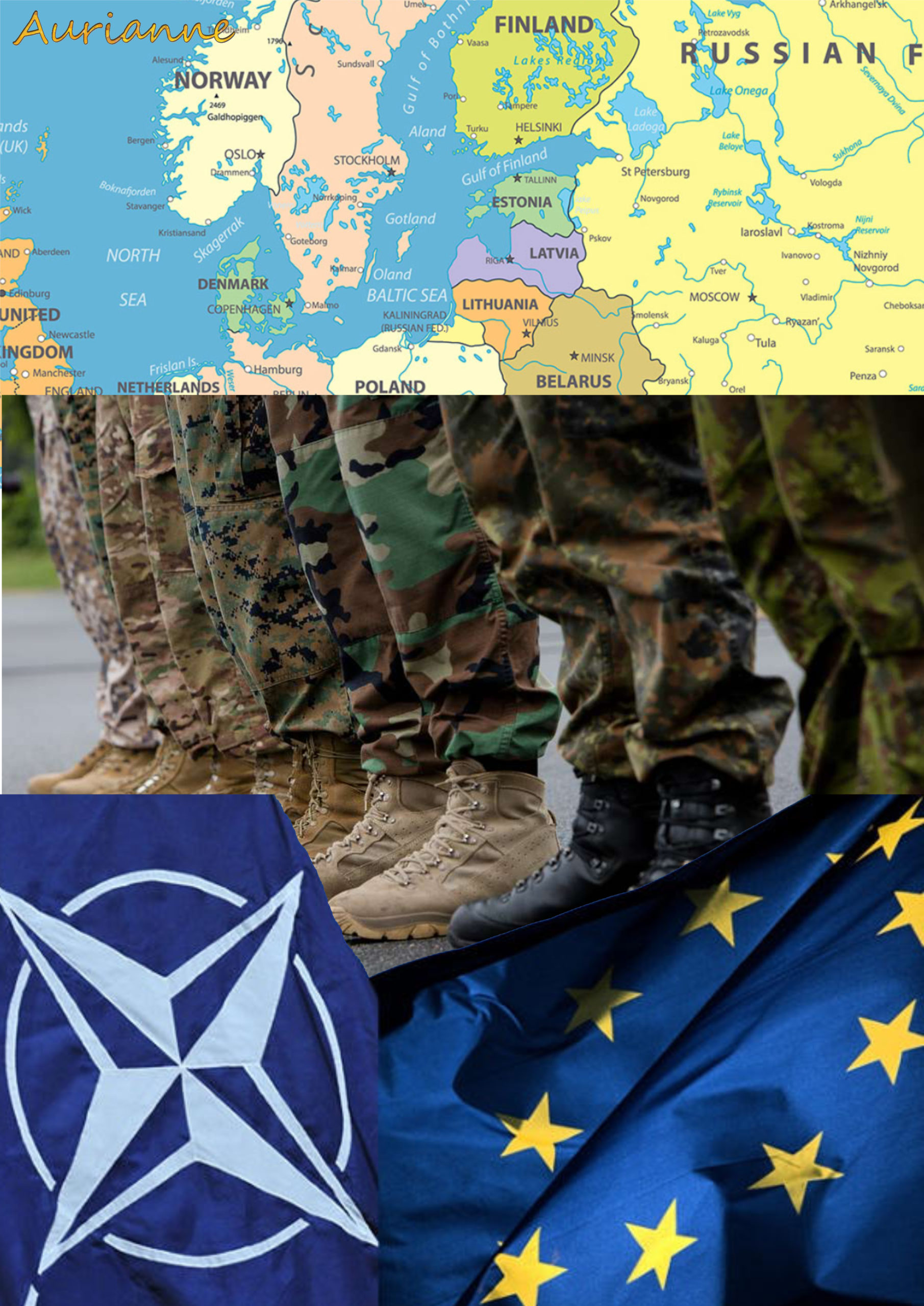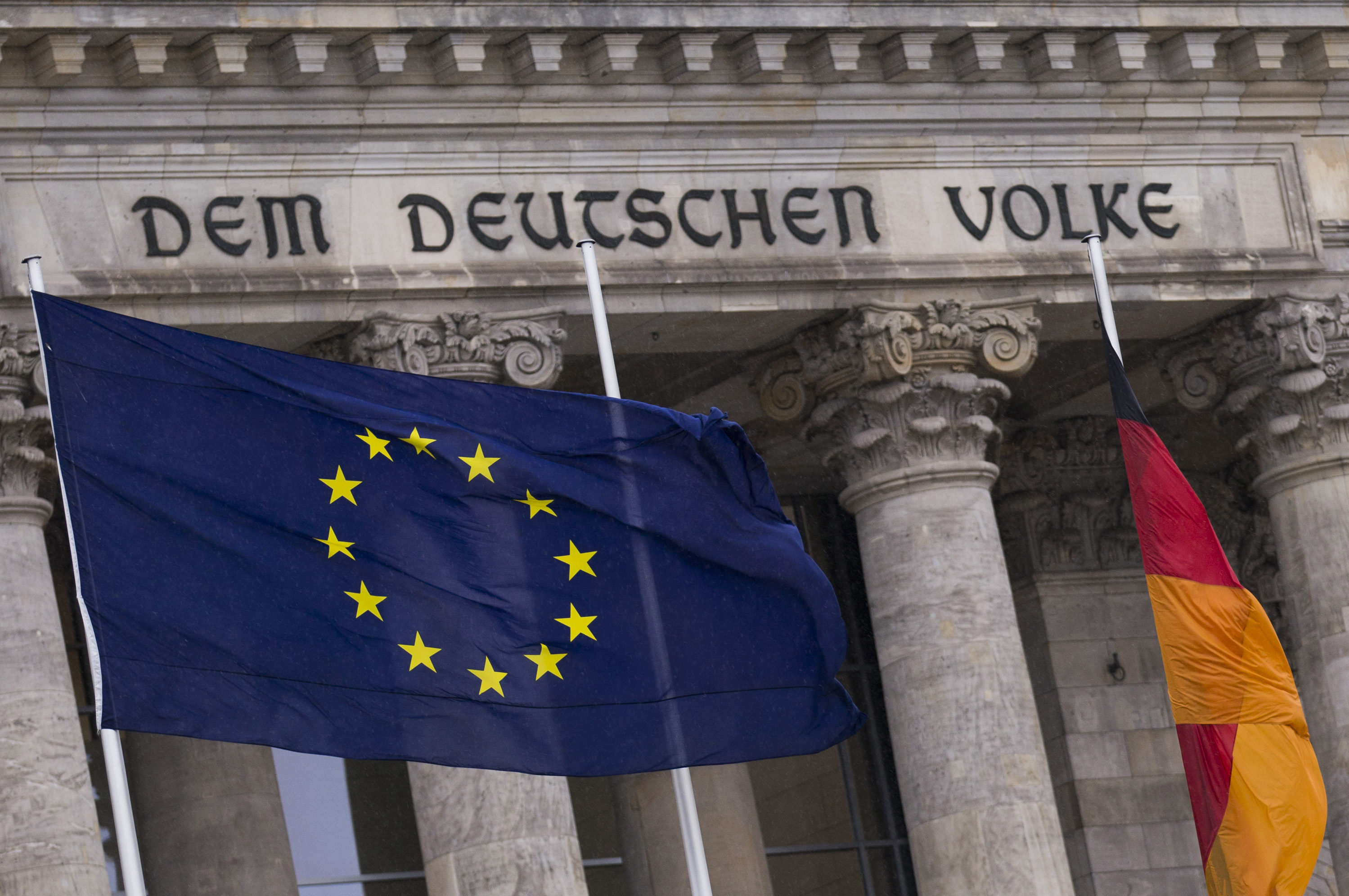
The announcement that the United States plans to pull thousands of troops out of Germany isn't just a logistical shift. It's a wake-up call that’s been hitting snooze for decades. For years, Berlin and its neighbors treated American military presence like a permanent utility, something as reliable as running water or electricity. That era is over. Germany is now pushing for a massive overhaul of European defense, and honestly, it’s about time.
The reality is that Europe can’t keep outsourcing its safety to a superpower that has its own domestic headaches and shifting priorities. When the U.S. decides to move its pieces on the global chessboard, countries like Germany shouldn't be left scrambling to fill the void. The current situation exposes a massive vulnerability in the heart of the continent. If you're relying on someone else's army to sleep soundly at night, you aren't really in control of your own destiny.
The End of the Security Freelunch
Berlin’s reaction to the troop drawdown was swift and noticeably sharp. German Defense Minister Annegret Kramp-Karrenbauer didn't mince words when she argued that Europe needs to be able to act on its own. This isn't just about hurt feelings or a diplomatic spat. It's about a fundamental shift in how power works in the 21st century.
For a long time, the deal was simple. The U.S. provided the heavy lifting via NATO, and Europe focused on economic growth and social programs. That bargain is breaking. The U.S. government has grown increasingly frustrated with what it sees as "free-riding" by wealthy European nations. While the rhetoric from Washington can be blunt, the underlying point has merit. Europe is one of the richest regions on earth. Why can't it defend itself?
Why the U.S. Troop Withdrawal Matters
The numbers aren't small. We’re talking about roughly 12,000 soldiers being moved. Some are heading back to the States, others are being shuffled to places like Poland or Italy. But the location isn't the point. The point is the message. The U.S. is signaling that its commitment to "Old Europe" is no longer an open-ended blank check.
This creates a massive gap in logistics, intelligence, and rapid response capabilities. You don't just replace decades of integrated military infrastructure overnight. Germany knows this. They’ve spent years underfunding their own military, the Bundeswehr, to the point where stories of broken helicopters and rusting tanks became a running joke in defense circles. It’s not funny anymore.
Building a European Army Without the Red Tape
The phrase "European Army" often scares people. It brings up images of a faceless bureaucracy in Brussels commanding troops. But that's a straw man. What Germany is actually pushing for is better integration. Right now, European countries waste billions because they all buy different equipment and run separate command structures.
If France, Germany, and Poland all use different radio systems and different ammunition, they can't fight together effectively. It’s inefficient. It’s expensive. And in a real crisis, it’s deadly. The goal is to create a force that can operate independently of American satellite data or transport planes.
The French Connection
France has been beating this drum for a while. President Emmanuel Macron famously called NATO "brain dead" a few years back. While Germany was initially hesitant to agree with such a harsh assessment, they’re finally coming around to the same conclusion. The two biggest players in the EU are now largely on the same page.
They want "strategic autonomy." That's a fancy way of saying they want to be able to handle a mess in their own backyard—like in the Balkans or North Africa—without calling the White House for permission or parts. It’s a bold move, but it’s fraught with political landmines. Eastern European nations, which don't trust Russia one bit, are often terrified of anything that might alienate the U.S. They see American boots on the ground as the only real deterrent. Berlin has to convince them that a European defense shield is just as strong.
Spending Money Where It Actually Counts
You can’t have a stronger defense on a discount budget. Germany has faced intense pressure to meet the NATO goal of spending 2% of GDP on defense. They’ve lagged behind for years, citing their complicated 20th-century history as a reason for their pacifism. That excuse doesn't carry much weight when the geopolitical environment is as volatile as it is today.
Investing in defense doesn't just mean buying more guns. It means investing in:
- Cyber defense systems to protect power grids and elections.
- Satellite constellations for independent communication.
- Joint procurement programs to lower the cost of high-tech hardware.
- Streamlining the decision-making process so the EU doesn't take three months to agree on a single troop movement.
It’s a tall order. The German public is famously skeptical of military spending. But the political leadership seems to realize that the world has changed. The "peace dividend" of the post-Cold War era has been spent.
The Russia Factor
We have to talk about Moscow. Any talk of European defense is really a conversation about Russia. The U.S. drawdown is seen by many in the Kremlin as a sign of Western weakness. Germany’s push for a stronger European force is an attempt to counter that perception.
If the U.S. pulls back and Europe doesn't step up, there's a vacuum. History shows us that vacuums in Europe get filled by aggressive actors. Germany is trying to show that the EU isn't just a trade bloc or a group of tourists. It’s a political entity that can protect its members. This is a massive test for the European project. If they can’t even agree on how to defend their borders, the whole idea of a united Europe starts to look pretty flimsy.
Moving Beyond the American Umbrella
It’s easy to blame the U.S. for being erratic. But the truth is that Europe has been lazy. They’ve enjoyed the luxury of someone else paying the bill and taking the risks. The withdrawal from Germany is a painful but necessary slap in the face.
The next few years will be defined by how quickly Berlin can turn its rhetoric into reality. They need to spend the money, they need to fix their broken equipment, and they need to convince their neighbors that they’re serious. It’s not just about troop numbers. It’s about the will to lead.
The first step for any European citizen or policy observer is to stop viewing defense as an American responsibility. Support for increased military spending is often unpopular, but the alternative is a continent that exists at the mercy of others. Start paying attention to the Permanent Structured Cooperation (PESCO) initiatives within the EU. These are the boring, technical frameworks where the actual work of building a European military happens. It’s not flashy, but it’s where the future of European sovereignty is being built. If Europe doesn't get this right now, they won't get another chance.