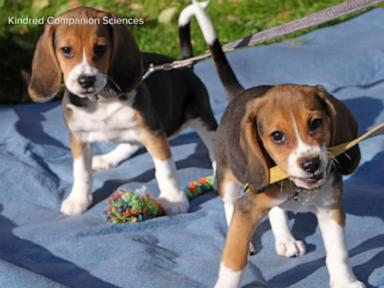
The headlines write themselves. Tech-optimistic bio-enthusiasts look at the global pet allergy market, look at CRISPR, and see a straight line. Why not just edit the Can f 1 gene out of a puppy? Why not snip the DNA sequence responsible for the primary dog allergen and deliver a sneeze-free golden retriever straight to your doorstep?
It sounds clean. It sounds modern. It is also a catastrophic misuse of biological engineering.
I have watched venture-backed biotech outfits burn through eight-figure funding rounds chasing silver-bullet genetic modifications that collapse the second they meet messy mammalian reality. The lazy consensus says that if a protein causes a sneeze, we should delete the gene coding for it.
That premise is lazy, scientifically fragile, and fundamentally misunderstands how domestic animals and human immune systems actually interact.
The Flawed Biology of the Sneezing Human
Let us define the actual enemy here. Can f 1 is a lipocalin protein produced primarily in the salivary glands and skin of dogs. When Fido licks his fur, the saliva dries, flakes off into dander, and floats into your HVAC system. Your IgE antibodies recognize Can f 1 as an invader, trigger mast cell degranulation, flood your system with histamine, and turn your face into a waterfall.
The standard biotech pitch assumes Can f 1 is a useless mistake of nature, like a vestigial organ waiting to be excised.
It is not. Lipocalins are carrier proteins. They bind small, hydrophobic molecules like pheromones, retinoids, and steroids. Knocking out Can f 1 does not just stop an allergic reaction. It alters canine chemical signaling, scent tracking, and physiological self-regulation in ways we do not yet fully understand.
Nature rarely keeps junk proteins around for fun. When you edit a foundational protein out of an animal's genome to save humans the minor inconvenience of taking a cetirizine tablet, you are introducing a cascade of unknown structural vulnerabilities.
The Monoculture Trap
Imagine a scenario where a corporate lab successfully breeds a line of hypoallergenic, gene-edited Labradors. They patent the lineage. They market them at a five-figure premium to wealthy urbanites who want a hypoallergenic status symbol.
What happens to genetic diversity?
We already have a pedigree dog crisis. Centuries of line-breeding for aesthetic traits like sloping hips in German Shepherds or compressed airways in French Bulldogs have given us veterinary disaster zones. Purebred dogs are already walking genetic bottlenecks. Layering complex CRISPR edits on top of an already fragile gene pool for a single cosmetic outcome is genetic malpractice.
When you strip out or alter a major allergen gene across a commercial breeding population, you constrict immunological variance. If a novel pathogen sweeps through the canine population, those engineered dogs might lack the baseline protein resilience required to fight it off.
We are trading a human inconvenience for a potential canine health catastrophe. That is a terrible trade.
The Allergen Isn’t Just One Protein
The pitch for engineered hypoallergenic dogs relies on a single-target fallacy. Can f 1 is the heavy hitter, responsible for a large percentage of human reactions. But it is not the only offender.
Canine dander features at least seven recognized major and minor allergens, designated Can f 1 through Can f 7. Can f 2, Can f 3, Can f 5, and the rest operate across different bodily fluids—serum, urine, and prostate secretions.
If you use CRISPR to shut down Can f 1, you still have to deal with Can f 2 and the rest of the alphabet soup. Do you plan to run seven or eight distinct genetic edits on every single puppy born in a facility? Every added cut to the genome increases the statistical probability of off-target effects. Unintended chromosomal deletions, accidental frame-shift mutations, and embryonic lethality skyboard with every extra edit.
Nature is a web, not a spreadsheet. You cannot simply press backspace on an annoyance without pulling down the neighboring architecture.
The Economics of a Luxury Problem
Let us talk about resource allocation. Millions of shelter dogs are euthanized annually because of overpopulation and abandonment. Meanwhile, venture capital is flowing into high-end genetic engineering labs designed to custom-build luxury pets for allergic tech executives.
The economics are absurd. Developing, testing, and securing regulatory approval for a genetically modified vertebrate line costs tens of millions of dollars and takes years of clinical trials.
And for what? To solve a problem that modern pharmacology already treats effectively for pennies a day.
If your immune system overreacts to proteins on dog dander, you have a toolbox of existing, heavily tested interventions. Subcutaneous immunotherapy retrains your immune tolerance over time. Modern antihistamines block H1 receptors without requiring bioethical gymnastics. HEPA air filtration and routine bathing reduce environmental load by over ninety percent.
We do not need to rewrite the mammalian genome to let you pet a dog. We need to stop treating complex ecological relationships as software bugs that can be patched with a keyboard.
The Better, Harder Answer
If you want a dog and you have allergies, stop looking for a genetic shortcut.
The real solution is inconvenient, unglamorous, and requires actual effort. Work with an allergist. Go through proper desensitization protocols. Spend time with specific breeds to test your individual immunological baseline before committing, because human allergies are wildly idiosyncratic—plenty of people react differently to individual dogs regardless of breed or supposed hypoallergenic status.
Stop waiting for a sci-fi corporation to sell you a lab-tweened animal that solves your bodily quirks at the expense of its own biological integrity. Take responsibility for your own immune system, and leave the genome of man's best friend alone.