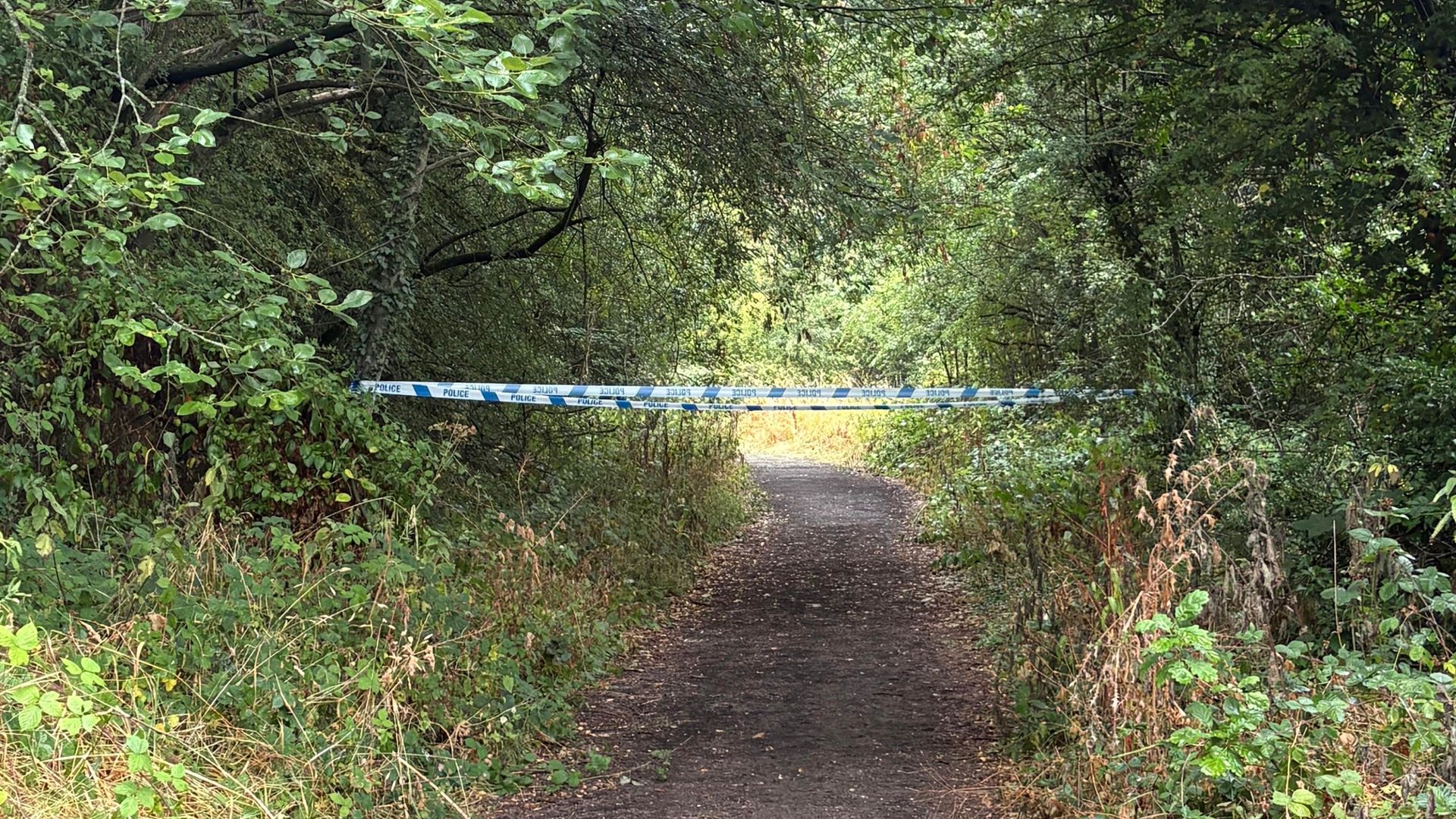
The death of a 55-year-old man on a quiet railway path in Wakefield has ignited a grim legal debate. Lee Ellis, aged 55, now faces a charge of manslaughter following an incident where a German Shepherd, under his control, allegedly bit a man who later succumbed to his injuries in the hospital. This event, which unfolded on a footpath off Blacker Lane this past Saturday, represents more than a tragic breakdown in animal control. It marks a severe escalation in how the judicial system treats the responsibility of dog ownership when interactions turn fatal.
The charge of manslaughter, rather than just offenses related to a dog being dangerously out of control, signifies that prosecutors are looking beyond the animal’s behavior to the human agency behind it. When an animal inflicts a fatal wound, the narrative often centers on the temperament of the breed or the history of the specific dog. Yet, the legal machinery currently in motion in West Yorkshire suggests a focus on the owner’s conduct during the altercation that preceded the bite.
The Mechanism of Liability
In the eyes of the law, a dog is an extension of its owner’s reach. While the Dangerous Dogs Act has long been the primary tool for prosecuting owners whose pets injure the public, the inclusion of a manslaughter charge shifts the burden of proof significantly. It suggests investigators believe there was more than simple negligence at play; they are exploring whether the owner’s actions or omissions during that confrontation directly contributed to a lethal outcome.
Consider a hypothetical scenario where an owner engages in a heated dispute while handling a powerful dog. If the owner actively uses the animal as an instrument of intimidation or fails to restrain it when an escalation becomes evident, the legal threshold for manslaughter becomes increasingly relevant. The court will now have to dissect the timeline of that Saturday afternoon on the old train line. Was the dog merely a wild card, or was it a factor in a situation that spiraled into a criminal act?
The Public Space Paradox
Footpaths and former railway tracks are often treated as sanctuaries for recreation, yet they remain common ground where boundaries between domestic animals and the public frequently blur. The incident in Calder Grove highlights a tension that rarely makes headlines until someone is dead. We expect our shared spaces to be safe, yet we rely on individual owners to police their own animals in environments where distractions are plentiful.
When a German Shepherd—a breed with immense physical capability—is involved in such an incident, the public outcry often leans toward breed-specific legislation. However, experienced handlers and legal analysts often argue that the problem is rooted in human capability. The ability to manage a high-drive animal in a public space requires constant vigilance. If the owner’s attention wanders, or if they prioritize their own reaction to an altercation over the security of their pet, the resulting disaster is a failure of the human, not the biological instinct of the dog.
The Escalation of Accountability
West Yorkshire Police have moved swiftly, and the fact that a homicide and major inquiry team was involved early in the process speaks volumes about the gravity of the investigation. By charging a man with manslaughter, the state is sending a message that owners will be held accountable for the catastrophic consequences of their dog's actions if those actions occur during a criminalized or reckless encounter.
The defense will likely hinge on the nature of the "altercation" mentioned by authorities. If the dog’s actions were an unforeseen reaction to a threat, the legal path becomes murky. If the evidence shows the owner encouraged the conflict or knowingly exposed the victim to danger, the prosecution’s case gains momentum.
We are seeing a trend where the law is catching up to the reality of modern urban and semi-rural life. As we continue to share these narrow strips of public land, the margin for error shrinks. The outcome of the upcoming proceedings at Leeds Magistrates’ Court will set a tone for how similar incidents are handled across the country. It is a stark reminder that the leash is more than a restraint; it is a legal tether to the consequences of one's decisions. The victim’s family is currently being supported by specialized officers, a quiet indicator of the devastation left behind by this single, violent afternoon on a local path.