Salt crusts on the windshield of a customs cutter slicing through the grey chop of the North Sea. Dawn has not broken yet. It is the hour when the world feels hollowed out, reduced to the roar of twin diesel engines and the smell of wet wool and cold iron.
Out here, the map is deceptive. Lines drawn by diplomats on parchment look neat, clean, absolute. But the water does not care about borders. It moves in dark swells, carrying everything that men wish to hide.
Consider a standard freight container. Corrugated steel, painted industrial blue or sun-bleached red, stacked twenty high on the deck of a container vessel longer than the Empire State Building is tall. Millions of these boxes crawl across the globe every day, the silent circulatory system of modern commerce. They bring coffee, shoes, television sets, paper clips.
They also bring ghosts.
When border force officers stepped onto the damp steel deck of a cargo ship at a major British port recently, they were not looking at a Hollywood drug bust. There were no ski masks, no dramatic gunfire, no flashing red lights cutting through smoke. There was just the grinding whine of a heavy-duty angle grinder biting into a steel seal, followed by the smell of hot metal and industrial grease.
Inside the container, hidden behind a mundane facade of legitimate cargo, sat the inventory.
Block after block. Wrapped in thick layers of heavy-duty plastic, sealed with industrial tape, marked with crude stamps.
One hundred and sixty million pounds.
Let those digits settle for a moment. £160,000,000. It is an abstract number. It belongs in corporate balance sheets or sovereign wealth funds. Yet here it was, condensed into heavy, compressed bricks of white powder and synthetic poison, resting quietly inside a box that had crossed thousands of miles of open ocean.
How do you measure a number like that?
To the syndicates pulling the strings from luxury apartments in Dubai or sun-drenched coastal villas in Spain, it is a ledger entry. A calculated risk. Lose one shipment out of five, and the profit margins still buy sports cars and shell companies.
To the street dealer standing on a rain-slicked council estate corner at midnight, it represents a sprawling, invisible distribution network. A pipeline of misery branching out into thousands of smaller streams, each one carrying a personal catastrophe waiting to happen.
And to the men and women in dark blue uniforms standing on that dock, breathing in the smell of salt and cold steel, it is a Tuesday.
Or rather, it is the culmination of months of silence.
The public usually sees the aftermath. A triumphant press release. A crisp photograph of uniformed officials standing beside neat stacks of seized contraband, looking stoic beneath fluorescent lights. The headlines flash across morning news feeds: Drugs worth more than £160m seized at British port.
Then the page turns. The algorithm refreshes. Life moves on.
We rarely ask about the quiet mathematics that led them to that specific box out of the ten thousand others sitting on the terminal.
Intelligence work does not look like television. It is not about intuition or sudden strokes of genius. It is spreadsheets. It is shipping manifests checked at three in the morning. It is anomalies in weight distribution. A container registered to a phantom shell company, carrying a commodity that makes no economic sense to ship halfway across the world, routed through three different ports for no discernible reason.
It is a hunch built on thousands of hours of looking at dry, boring data until a pattern screams from the page.
Imagine sitting in a windowless room in London or Dover, staring at a computer screen while the rest of the city sleeps. Outside, rain taps a steady rhythm against the glass. On the monitor, a vessel icon creeps across a digital map of the English Channel. Vessel name: Atlantic Voyager. Origin: South America. Destination: British port. Status: In transit.
To anyone else, it is just a glowing dot.
To the investigator, it is a question mark wrapped in ten thousand tons of steel.
Why did this specific shipper use a newly registered intermediary? Why is the declared weight two tons heavier than identical containers carrying the same volume of goods?
These are the invisible fractures in the facade. The criminal enterprise is vast, but it is run by humans. And humans make mistakes. They cut corners. They use the same logistics broker they used three years ago under a different corporate name. They trust the wrong middleman.
A single digital typo can undo a billion-dollar supply chain.
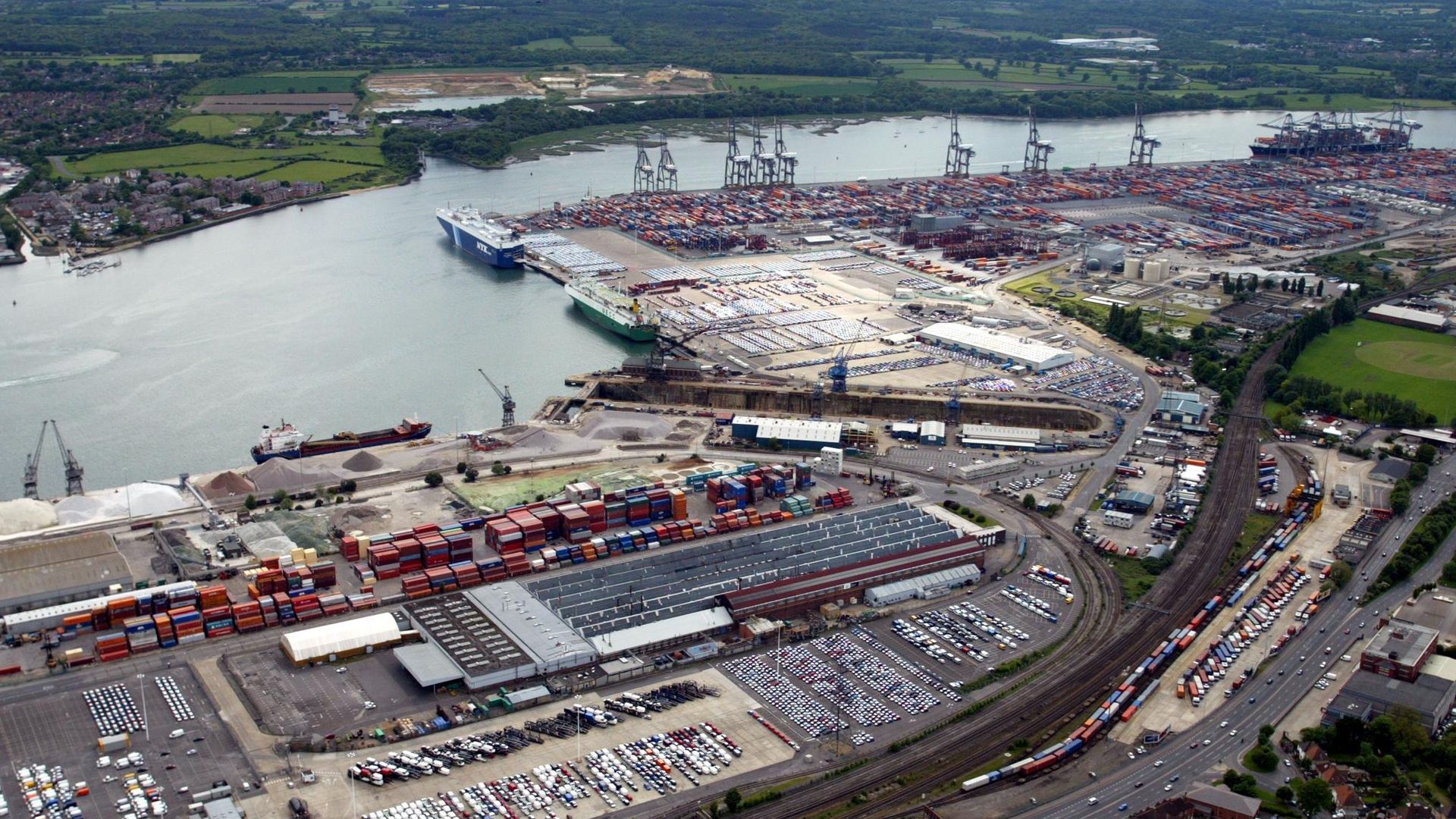
When the ship finally docks, the physical reality begins. Port terminals are roaring, chaotic cathedrals of logistics. Cranes groan as they lift multi-ton boxes with casual indifference. Trucks rumble along concrete lanes. The air tastes of diesel exhaust and sea salt.
The targeted container is shunted aside. Placed in a secondary inspection zone.
This is where the stomach tightens. Every officer knows the unspoken rule of these operations: the bigger the shipment, the deeper the network backing it. If you find a hundred and sixty million pounds worth of cargo, you have just stepped on the tail of a very large, very dangerous animal.
The x-ray scanner rolls into position. A massive, truck-mounted gantry that bathes the container in high-energy radiation, projecting a ghostly skeleton of its contents onto a monitor inside a van.
On the screen, organic shapes appear inside the inorganic grid of legitimate goods. Densities that do not match cardboard, plastic, or machinery. Shadows within shadows.
The operator does not cheer. They lean closer to the monitor, fingers resting on the mouse, zooming in.
There.
That is the exact second the abstraction vanishes. The numbers on the press release do not matter anymore. The geopolitics of international cartels fade away. There is only the steel door, the seal, and what lies on the other side.
The angle grinder screams again.
When the doors swing open, the first thing that hits you is not the contraband. It is the silence. For a second, the roar of the port seems to recede.
Then comes the physical weight of the discovery. Row upon row. Neatly packed. A fortune in ruin, stacked like bricks of cheap insulation.
What happens next is not a celebration, but a meticulous, exhausting ritual. Evidence bags. Serial numbers. Chain of custody logs. Every single brick must be cataloged, weighed, and tested. The forensic teams move like surgeons, collecting fingerprints, DNA traces, microscopic fibers.
Every square millimeter of that packaging is a potential fingerprint left by someone who thought they were untouchable.
Because that is the fundamental flaw in the grand architecture of international smuggling. No matter how much money is involved, no matter how many layers of insulation a kingpin builds between themselves and the product, someone always has to touch the goods. Someone has to pack the box. Someone has to weld the false bulkhead. Someone has to sign the manifest.
Human hands touched every single one of those £160 million worth of packages.
And human hands will eventually trace those fingerprints back to the source.
Down the line, far away from the wind-swept docks, the ripples of this seizure will spread. A courier in a sleepy suburban town will wonder why his contact isn't answering his encrypted messages. A mid-level broker in a European capital will start sweating as he realizes his financial backers are looking for someone to blame for a catastrophic loss of capital. A ledger somewhere in an offshore account will be written off in red ink.
For a brief window, a massive void opens up in the supply chain. Street prices will fluctuate. Purity will drop as local dealers cut the remaining product with dangerous adulterants to stretch their diminishing supplies. Emergency rooms might see a spike in unpredictable overdoses as users ingest chemical cocktails they never bargained for.
The seizure does not end the trade. Every investigator knows that. To pretend otherwise is naive. As long as there is demand, supply will find a way through the cracks, slithering through new ports, new routes, new methods.
Yet every successful interdiction is a message.
It tells the syndicates that the invisible walls are still standing. That the digital watchtowers are still manned. That no matter how vast the ocean is, and no matter how many thousands of containers crawl across its surface every single day, someone is still watching the screen in the dark, waiting for the anomaly.
The customs cutter pulls away from the berth, its wake churning white against the dark water as the sun finally breaks over the horizon, casting a cold, hard light across the grey expanse of the sea.