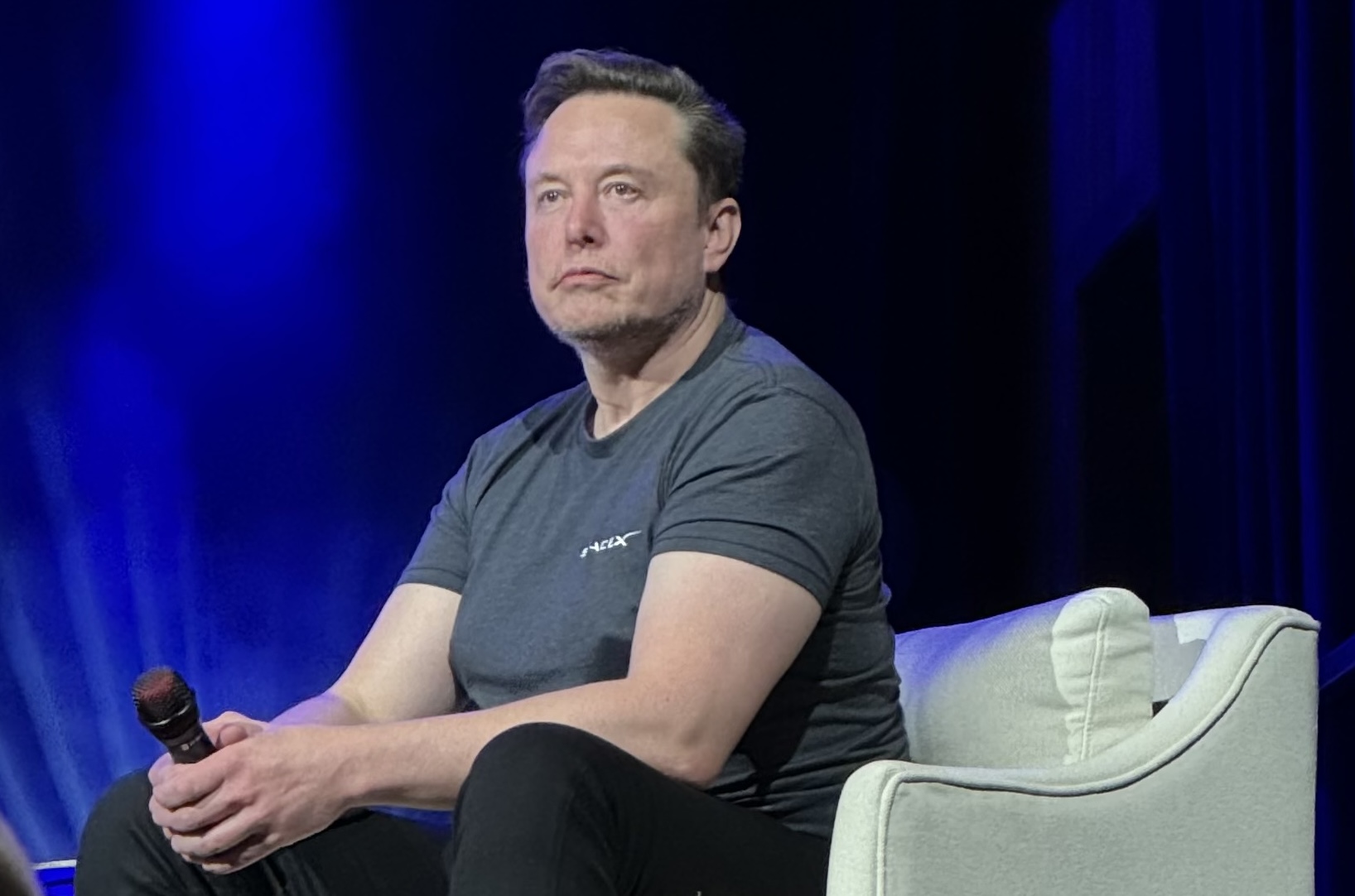
Elon Musk isn't exactly known for being humble, so when he sits in a federal courtroom in Oakland and calls himself a "fool," people tend to lean in. It's April 2026, and the trial of the decade in Silicon Valley is finally peeling back the curtain on how a nonprofit "charity" became a trillion-dollar for-profit juggernaut. If you've been following the headlines, you know the basics: Musk helped start OpenAI, left, and now he's suing them. But the testimony we’re seeing this week goes way deeper than a simple case of founder's remorse.
The Bait and Switch That Cost 38 Million
The core of Musk’s argument is that he was the victim of a "Shakespearean" deception. He testified that he gave OpenAI roughly $38 million in what he calls "essentially free funding." To Musk, this wasn't an investment. It was a donation to a cause he believed would save humanity from a Google-controlled AI monopoly.
You have to remember the context of 2015. Back then, Google had just acquired DeepMind, and Musk was terrified that Larry Page didn't take AI safety seriously. He wanted a counterweight—a transparent, open-source lab that wouldn't be "constrained by a need to generate financial return."
"I literally was a fool," Musk told the court. He’s essentially saying he handed over the keys to the kingdom, the brand name, and the initial capital, only to watch Sam Altman and Greg Brockman turn it into a private money-printing machine for Microsoft. Honestly, it’s a classic Silicon Valley story, but with much higher stakes than your average SaaS startup.
The 800 Billion Dollar Museum Gift Shop
Musk’s legal team used a pretty sharp analogy during the opening statements. They compared OpenAI to a nonprofit museum. Imagine a museum that has a small gift shop to help pay the light bills. That’s fine, right? But then, the people running the museum decide to sell off the Picassos, pocket the cash, and turn the whole building into a luxury condo.
Musk says he wasn't against a "small adjunct" for-profit arm to help with the massive compute costs. What he didn't sign up for was "the tail wagging the dog."
Key points from the 2026 testimony
- The "Stolen Charity" Claim: Musk’s lawyers argue that by pivoting to a for-profit structure, OpenAI "stole" the value created by a nonprofit entity.
- The Microsoft Partnership: Musk alleges that Microsoft—now OpenAI's largest shareholder—aided and abetted this breach of trust.
- The Statute of Limitations: OpenAI’s defense is trying to paint Musk as a "jealous competitor" who waited too long to sue only because his own company, xAI, is lagging behind.
Emails Don’t Lie but They Do Complicate Things
The defense didn't just sit there and take it. They pulled up old emails from 2017 that show Musk himself was once pushing for a for-profit transition—as long as he was the one in control.
One email thread revealed a proposed structure where Musk would own 55% of the company. When the other founders balked at giving one person that much power over the future of AI, that’s when things got messy. Musk’s response at the time? "Guys, I’ve had enough." He stopped the quarterly $5 million payments and walked away in 2018.
OpenAI’s attorney, William Savitt, didn't pull any punches during cross-examination. He suggested Musk is just mad because he "left it for dead" and then it became the most successful startup in history without him. It's a brutal take, but it hits on a fundamental truth of the tech world: execution is everything, and Musk wasn't there for the execution of ChatGPT.
The AGI Clause and the End of Open Source
What should actually worry you isn't the billionaire bickering. It's what this trial reveals about the "AGI clause."
In the original agreement between Microsoft and OpenAI, there was a provision that if OpenAI ever achieved Artificial General Intelligence (AGI)—AI that surpasses human intelligence—the technology would belong to the nonprofit, and Microsoft's licenses would expire.
But here’s the kicker: just days before this trial began, they amended that deal. They scrapped the clause that would dissolve the for-profit arm upon reaching AGI. They also lifted the profit cap. Basically, the "safety rails" that were supposed to keep this technology in the hands of the public are being dismantled in real-time.
What This Means for You
This isn't just about who gets the $134 billion in damages Musk is asking for. It’s about who controls the most powerful technology ever created. If Musk wins, it could force OpenAI to restructure, open-source its models, and potentially derail its upcoming IPO. If he loses, it sets a precedent that "nonprofit" is just a marketing term you use until you're big enough to get a check from a tech giant.
If you’re a developer, founder, or just someone who uses AI, here’s what you should do:
- Don't rely on "Open" being in the name. Treat OpenAI like any other closed-source corporation. If you need transparency, look toward Meta’s Llama or the truly open-source projects on Hugging Face.
- Watch the "Safety" branding. Every time a company talks about "safety" while closing their code, be skeptical. As Musk’s testimony shows, yesterday’s safety lab is tomorrow’s proprietary product.
- Keep an eye on the verdict. A win for Musk would be a massive win for the open-source community, even if you don't like the man himself.
The trial is expected to last another few weeks. Regardless of whether Musk was a "fool" or a visionary, the result will dictate how the AI era is governed for the next decade. Don't expect a clean ending; this is Silicon Valley, and the only thing people hate more than losing is being told they can't make a profit.