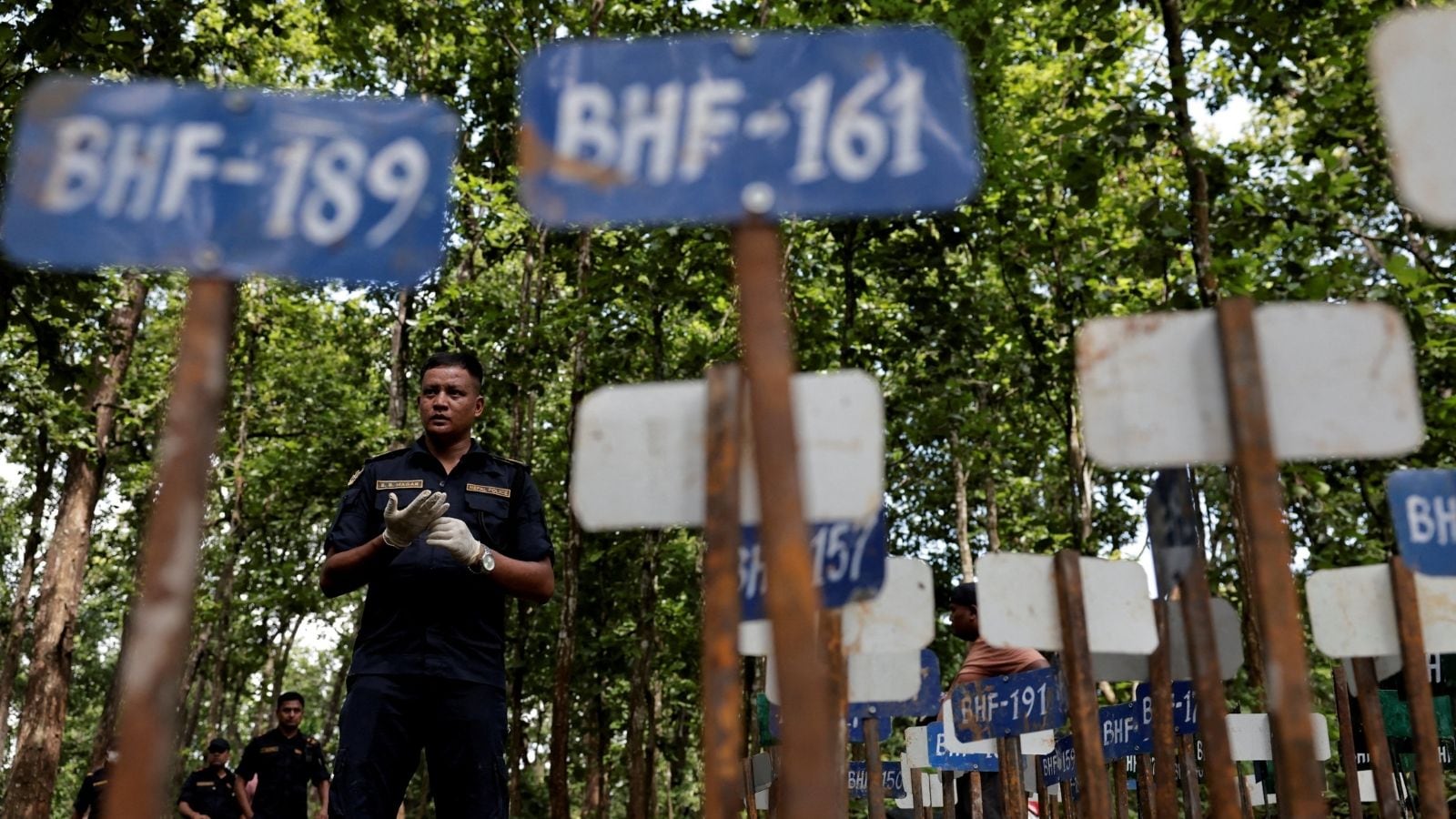
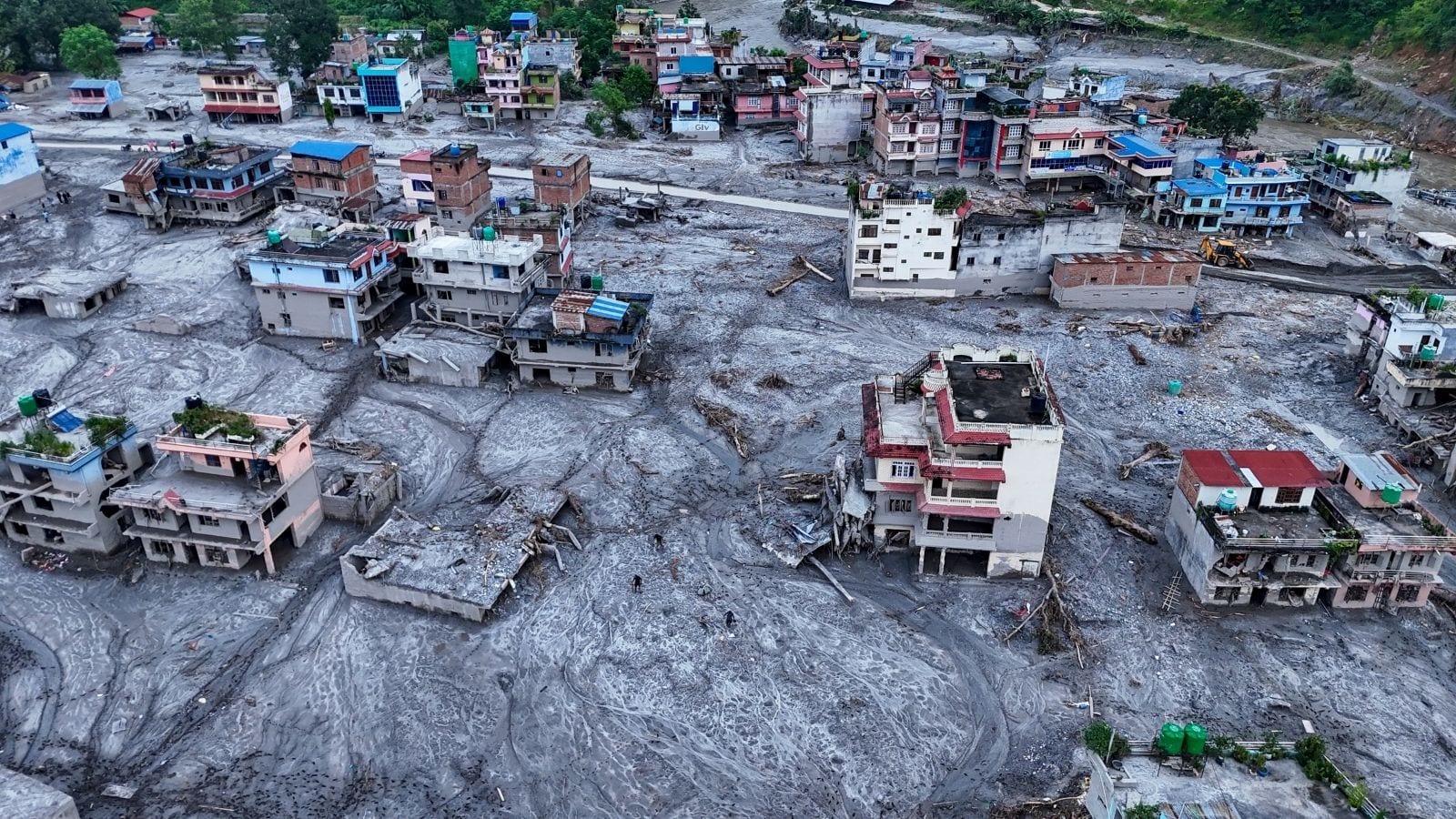
Every monsoon season, the media descends on Nepal with a predictable script. Cameras capture bloated rivers, weeping villagers, and mud-choked burial trenches. The narrative is always the same. Climate change is a monolith, the government is helpless, and poor mountain communities are passive victims waiting for a foreign savior. It is a lazy consensus designed for maximum emotional manipulation and minimum analytical effort. It completely misses the structural reality of why floods turn into catastrophes in the first place.
I have walked those riverbanks. I have watched millions of dollars in emergency relief get funneled into high-profile tent drops while local infrastructure remains broken by design. We treat every seasonal deluge as an unprecedented black swan event. It is not. It is a predictable cycle made lethal by human interference, political corruption, and a romanticized view of traditional mountain life that ignores basic engineering.
The Myth of Natural Disasters
Nature does not commit manslaughter. Geography does not conspire against the foothills of the Himalayas. When a cloudburst hits, water moves down. That is physics. What turns a heavy rain event into a mass casualty incident is the systemic failure of land-use planning.
For decades, international NGOs have pushed the narrative that rural Nepalese farmers are helpless custodians of a fragile ecosystem. This infantalizes local populations and obscures the real culprits. Unchecked road construction bulldozed into unstable hillsides without retaining walls or proper drainage has turned every hillside highway into an artificial funnel for debris flows. When the monsoon hits, these poorly cut roads liquefy. They wash away homes, block natural waterways, and transform minor creeks into localized tsunamis.
Yet, when the bodies are counted and the trenches are dug, the headlines focus exclusively on weather patterns. We blame the clouds because holding local politicians and international donors accountable for shoddy infrastructure requires actual work.
Aid as an Addiction
Emergency response in South Asia has become an industry. It runs on sensationalism. The more harrowing the image of a burial trench, the faster the donor funds clear.
Imagine a scenario where every dollar spent on post-disaster body bags and emergency rice sacks was redirected toward mandatory slope stabilization and enforced zoning laws two months before the monsoon. It would save ten times as many lives. But it would not make a good fifteen-second clip for an evening news broadcast.
Disaster capitalism thrives on the immediate aftermath. When floods hit a district in Nepal, planes land loaded with blankets and water purification tablets. These items are necessary for about forty-eight hours. By day three, what those communities actually need is heavy machinery to clear drainage canals, cement for retaining walls, and engineers to reroute poorly planned municipal expansions. Instead, they get paternalistic sympathy and a fresh round of tarps.
We are funding a perpetual cycle of destruction and relief. Every time we rush in with emergency aid without demanding structural reform, we subsidize the very negligence that caused the deaths in the first place.
The Zoning Taboo
Nobody wants to talk about relocation. Mention that an entire village is built on an active alluvial fan or a historic flood plain, and the human rights watchdogs start screaming about displacement.
Tradition is powerful. Families have farmed the same river terraces for generations. But the climate has shifted, and downstream populations have exploded. The carrying capacity of these river corridors has been breached. Building permanent brick-and-mortar homes right on the edge of a shifting riverbed is an invitation to a funeral.
Local authorities lack the political spine to enforce zoning laws. Politicians want votes, and telling a constituency that their ancestral land is a death trap is a quick way to lose an election. So, they look the other way. They issue empty warnings when the rain starts, cross their fingers, and leave the rescue operations to underfunded local volunteers when the banks burst.
Dismantling the Rescue Porn Complex
If we want to stop measuring catastrophes in bodies, we have to stop rewarding failure.
Stop donating to reactionary slush funds that only activate after the levees break. Demand transparency from local municipalities on infrastructure maintenance budgets. Support organizations that focus on bioengineering—using deep-root vegetation and terracing to lock hillsides down before the first drop of monsoon rain falls.
The grief in those burial trenches is real. The tears of the families are not staged. But the helplessness of the situation is a manufactured lie. Nepal does not need more pity. It needs an aggressive, uncompromising overhaul of how it builds, where it populates, and how the international community chooses to spend its conscience money.
The water is going to rise again next year. The only question is whether we keep buying shovels or finally start building walls. Stop watching the tragedy. Interrogate the mechanics.