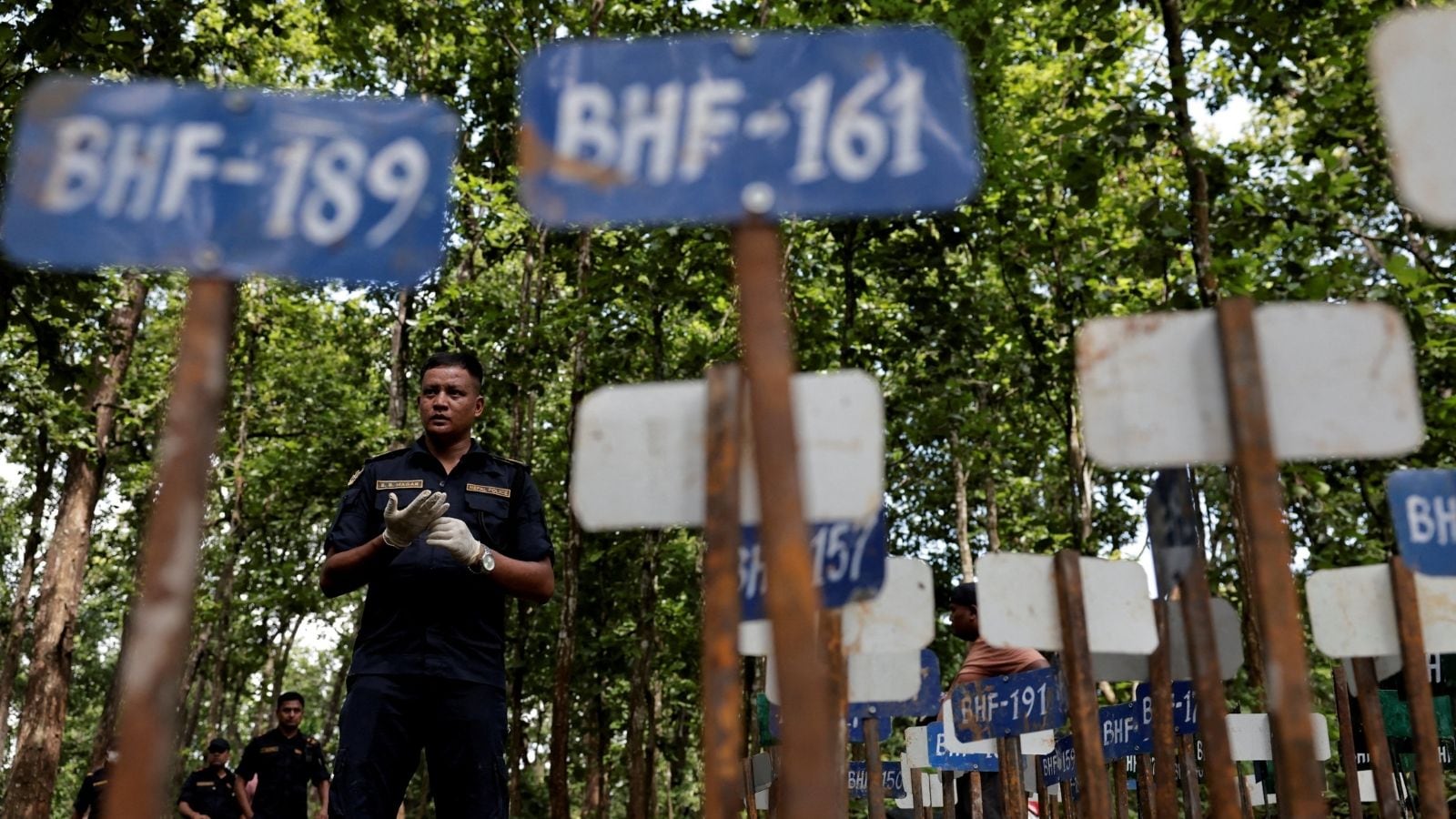
Mass disaster response requires an immediate equilibrium between public health preservation, forensic identification, and socio-cultural compliance. When catastrophic flash floods and mudslides struck the Himalayan region along the Nepal-Tibet border, triggering a death toll exceeding 800 people and leaving over 2,500 missing, the local disaster response architecture experienced systemic failure. The concentration of hundreds of recovered bodies in southern lowland districts like Chitwan exposed a critical vulnerability: the total absence of scalable forensic infrastructure capable of handling high-volume mass fatality incidents.
Understanding this crisis demands examining the quantitative mismatch between incoming cadaver volume and regional processing capacity. Bharatpur Hospital's mortuary capacity, engineered for a maximum load of 50 bodies, was forced to absorb more than 125 remains concurrently, with over 250 additional bodies awaiting processing in the district. This structural deficit transformed a standard emergency management task into an operational breakdown. Authorities faced an aggressive biological decay function dictated by high ambient temperatures and humidity in the river basins, forcing a reliance on mass trench burials in the Devghat forest to prevent pathogen propagation. You might also find this connected story insightful: Inside the Venezuela Oil Illusion Why Washington Cannot Refill Its Reserves Overnight.
The decision to bury unidentified victims without familial consent highlights the friction between international disaster protocols and regional cultural expectations. In Hindu tradition, death rites mandate cremation on riverbanks in the presence of immediate family. The state's operational calculus prioritized epidemiological safety over cultural continuity, utilizing pre-burial DNA sampling, dental profiling, and photographic cataloging to preserve a digital and biological chain of custody. However, the speed of these interventions created severe social friction, alienating grieving populations who viewed rapid trench burials as a denial of basic human dignity.
The mechanics of identification under mass fatality conditions follow a strict probability curve. When bodies are transported hundreds of kilometers downstream through turbulent river channels containing dense sediment, post-mortem trauma rates skyrocket. Over thirty percent of recovered remains in the Chitwan sector presented as mutilated, partial, or severed, rendering visual recognition impossible. Consequently, identification relies heavily on secondary markers such as unique dental structures, surgical implants, and DNA matching against family reference samples. As highlighted in latest coverage by Reuters, the results are notable.
Regional authorities attempted to bridge this information gap through decentralized identification protocols. Forensic teams deployed digital strategies, uploading photographs of distinguishing marks, clothing, and tattoos onto police databases and utilizing slide presentations for families gathered at makeshift coordination hubs. Despite these measures, the identification conversion rate remained exceptionally low, with fewer than twenty bodies positively identified out of hundreds processed during the initial operational window. This conversion failure stems from inadequate forensic DNA processing bandwidth within domestic laboratories, requiring external technical assistance from specialized foreign forensic units to accelerate profile matching.
Logistical blockades compound these forensic constraints. Secondary natural hazards, including continuous monsoon downpours and recurrent landslides, repeatedly severed the primary arterial highway linking Kathmandu to the southern valleys. These disruptions interrupted the supply chain for critical preservation inputs, including dry ice, mobile refrigeration units, and protective equipment for frontline workers. Without continuous cold chain maintenance, the window for reliable tissue sampling closes rapidly, permanently degrading the genetic evidence required for long-term identification.
Preventing similar operational failures in future Himalayan hydro-meteorological disasters requires a structural overhaul of emergency response frameworks. Regional disaster management authorities must transition from reactive crisis handling to pre-positioned forensic staging units, decentralized cold-storage modules, and rapid-deployment DNA sequencing capabilities that respect both public health imperatives and traditional funerary expectations.


