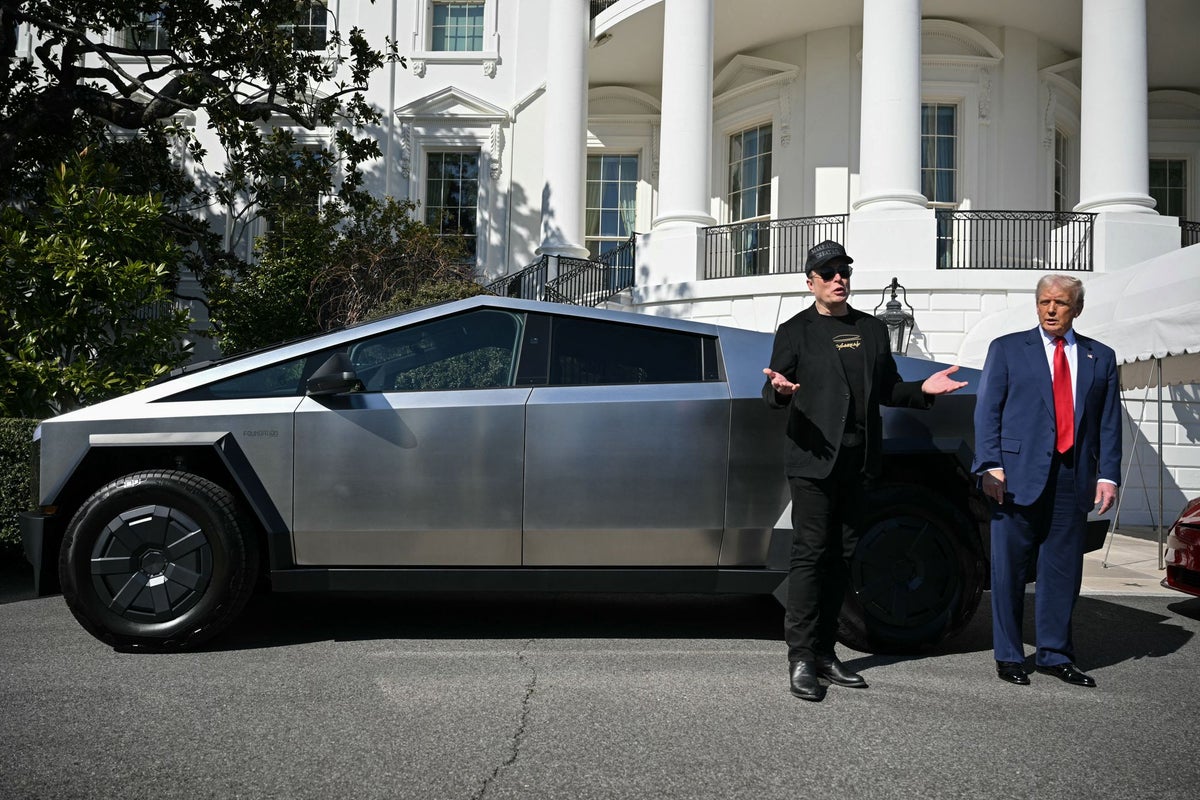
Imagine dropping over $100,000 on a truck that looks like it crawled out of a sci-fi movie, only to have it turn into a high-tech paperweight before you even leave the dealership parking lot. It sounds like a bad joke, but for a growing number of Tesla Cybertruck buyers in 2026, it's a reality that's moving from the service center to the courtroom. We aren't just talking about a loose piece of trim or a smudge on the stainless steel. We’re talking about "critical steering" alerts and total battery failures within miles—sometimes minutes—of delivery.
The hype around this vehicle was massive. But as the production ramp-up hit its stride through 2025 and into this year, the cracks in the armor became impossible to ignore. Legal filings are now surfacing that allege Tesla delivered vehicles they knew were defective. It raises a serious question for anyone on the waiting list: are you buying a revolution or a lawsuit?
When the delivery high hits a brick wall
The "delivery day" experience for a Tesla owner is supposed to be a milestone. You show up, sign the digital paperwork, and drive off into a silent, electric sunset. But recently, that script has been flipped. One owner, an investor in the company, reported his truck failed just miles after pickup. He didn't even get it home before the screen lit up like a Christmas tree with red error messages.
These aren't isolated "first-day jitters." Multiple lawsuits filed in late 2025 and early 2026 highlight a pattern of catastrophic failures. Some owners describe the truck entering a "limp mode" while they were still in sight of the Tesla delivery center.
- High-voltage battery errors: Systems shutting down 15 minutes into the first drive.
- Coolant leaks: Puddles forming under the truck before the owner even finishes the walk-around.
- Steer-by-wire failures: Loss of steering calibration that makes the vehicle undrivable.
When you're paying a six-figure premium for a "Foundation Series" or a high-end trim, you expect a level of quality control that matches the price tag. Instead, some buyers feel like they've been recruited as unpaid beta testers for a product that wasn't ready for the road.
The legal argument for negligence
The newest wave of litigation goes beyond simple Lemon Law claims. Attorneys are now targeting Tesla’s design choices and its aggressive sales tactics. In a high-profile Texas case, a lawsuit seeks over $1 million, alleging that Tesla’s Autopilot system nearly launched a Cybertruck off an overpass. The core of the argument? Tesla’s reliance on "vision-only" camera systems instead of the LiDAR sensors used by almost every other company working on autonomous driving.
Legal experts point out that the Cybertruck is a unique beast. Its steer-by-wire system means there's no mechanical link between the steering wheel and the tires. If the software glitches, you're a passenger in a 7,000-pound stainless steel bullet. The lawsuits claim that Tesla ignored internal engineering warnings about these risks to meet production deadlines.
One particularly damning allegation in recent filings suggests that Tesla has used non-disclosure agreements (NDAs) to keep a lid on safety failures. If true, that’s a massive red flag for transparency. It suggests the company might be more interested in protecting its stock price than protecting the people behind the wheel.
Real world issues vs marketing promises
Elon Musk promised a truck that could serve as a boat and withstand gunfire. In reality, owners are finding that even a trip through a car wash can be a gamble. The "Vault"—the truck's bed—has been plagued by water intrusion issues. While a leaky trunk is annoying, it’s the electrical gremlins that are truly terrifying.
The 800-volt architecture was touted as a massive leap forward for charging speeds. While it is fast, it's also incredibly complex. When a high-voltage battery fails, you don't just go to a local mechanic. You’re at the mercy of Tesla’s overstretched service network. Some owners report their brand-new trucks sitting in service bays for weeks or even months because parts are backordered.
Common hardware failures in 2025 and 2026
- Accelerator pedal assembly: Early recalls showed the cover could slip and wedge the pedal down.
- Wiper motor burnout: That massive single wiper looks cool until it fails in a rainstorm because the motor can't handle the friction.
- Panel detachment: Wind catching the stainless steel trim at highway speeds and ripping it off.
Is your Cybertruck a lemon?
If you're dealing with a truck that spend more time on a flatbed than in your driveway, you need to know your rights. Lemon Laws vary by state, but the general rule is "reasonable attempts at repair." If Tesla can't fix the same major issue in two or three tries, or if the vehicle is out of service for more than 30 days total, you might be entitled to a full buyback.
Don't wait for things to "fix themselves" with a software update. Over-the-air (OTA) updates are great for adding new games to the dashboard, but they can't fix a physical coolant leak or a faulty battery cell. Document every error message. Take photos of every warning light. Save every communication you have with the service team through the Tesla app.
What you should do before taking delivery
If your VIN has been assigned and you’re heading to the delivery center, don't let the excitement blind you. You have the right to refuse delivery if the truck isn't right. Most people feel pressured to just sign and drive, but once you leave that lot, your leverage drops significantly.
- Bring a checklist: Check every body panel for alignment. Test the tonneau cover multiple times. Check the seals around the doors for gaps.
- Test the steering: Turn the wheel lock-to-lock while stationary. Listen for grinding or clicking.
- Check the firmware: Ensure the truck is running the latest stable build. If it’s throwing "UI recovery" errors during the walkthrough, walk away.
- Demand a test drive: Do not sign the final papers until you’ve taken the truck around the block. If it feels "off" or throws a code, don't accept it.
Tesla is a company that moves fast and breaks things. That's a great philosophy for software, but a dangerous one for a three-and-a-half-ton truck. The legal battles ahead will likely define the future of the Cybertruck and perhaps Tesla’s entire approach to vehicle manufacturing. For now, the "Cyber" future looks a lot more litigious than we were promised.